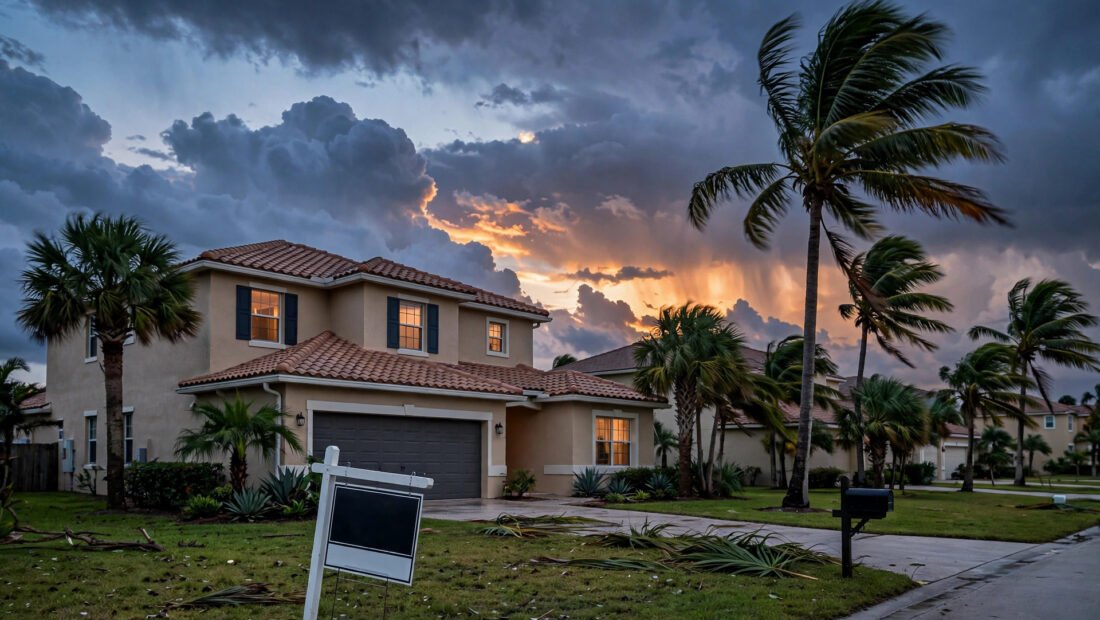
Florida’s foreclosure market has a magnetic pull for bargain hunters: homes listed 20 to 40 percent below market value, auction starting bids that seem impossibly low, and the promise of instant equity. Some buyers do build real wealth this way. Many more lose money — to hidden liens, uninhabitable properties, bidding wars with professional investors, or legal complications they never saw coming. Foreclosure deals in Florida reward preparation and punish impulse. Here is how to find them, evaluate them, and buy them without getting burned.
Understanding Florida’s Foreclosure Process
Florida is a judicial foreclosure state, meaning lenders must sue in court to foreclose. This makes the process slower than in non-judicial states — typically 6 to 12 months from filing to auction — but it also creates more public records and more opportunities for buyers to research. The key stages:
- Lis pendens filed: the lender files suit; a public notice attaches to the property. This is the earliest signal a property may become available.
- Pre-foreclosure / short sale window: the owner can still sell, often as a short sale requiring lender approval.
- Auction: the property is auctioned — in Florida, typically online through county clerk websites. The lender usually bids what it is owed; third-party buyers must beat that.
- REO (bank-owned): if no third party outbids the lender, the property becomes real estate owned and is listed on the MLS like a normal sale — often the safest entry point for beginners.
Each stage carries a different risk profile. Pre-foreclosure and short sales allow inspections and title work. Auctions generally do not — you buy sight-unseen, as-is, with limited recourse. REO purchases look like normal transactions with bank addenda. Beginners should heavily favor REO and pre-foreclosure over auctions until they understand the terrain.
Where to Find Foreclosure Listings
- County clerk auction sites: Florida counties run online foreclosure auctions (many through platforms like RealAuction). Listings include case numbers, opening bids, and sale dates — essential primary sources.
- MLS REO listings: bank-owned properties appear on the MLS; any agent can show them. Filter for REO/bank-owned status.
- HUD HomeStore and Fannie Mae HomePath: government-owned foreclosures with transparent bidding processes, often friendlier to owner-occupants.
- Foreclosure listing services: aggregators compile lis pendens and auction data for a subscription fee. Useful, but verify everything against county records — their data lags.
- Direct outreach: mailing or door-knocking owners in pre-foreclosure. Effective but sensitive; Florida has rules around solicitation, and desperate homeowners deserve ethical treatment.
The Due Diligence That Protects You
Foreclosure discounts exist because foreclosures carry risks the discount compensates for. Your job is to verify which risks apply to each property:
Title and liens
This is the number-one deal killer. Foreclosure wipes out junior liens — but not property tax liens, IRS tax liens (which have a 120-day redemption right), HOA super-priority liens in some cases, or municipal code enforcement liens, which are notoriously aggressive in Florida cities. A full title search before bidding is non-negotiable at auction; for REO, buy title insurance as you would in any purchase. Unpaid HOA assessments in Florida condos can be staggering — always get an HOA estoppel letter.
Condition
Distressed owners often defer maintenance for years; some strip fixtures, appliances, and even copper. At auction you typically cannot enter the property — drive by, peer through windows, check permit history, and assume the worst for budgeting. For REO properties, get a full inspection; banks sell as-is but the inspection informs your offer price and renovation budget.
Occupancy
Florida properties may still be occupied — by owners with redemption-adjacent rights, tenants with leases that survive foreclosure, or squatters. Evicting occupants costs months and thousands. Verify occupancy status before bidding; factor eviction timelines into your holding costs.
The numbers
Maximum bid = (after-repair value × 0.70) − repair costs − holding costs − profit margin. The 70 percent rule keeps beginners safe: it builds in margin for the surprises foreclosures always contain. If the auction bidding exceeds your number, walk away — discipline is the entire game. For perspective on evaluating income potential if you plan to rent, see buying commercial property versus renting for a new business, which covers investment property analysis from first principles.
Financing Foreclosure Purchases
Auctions typically require cash or cashier’s checks — often a deposit day-of and full payment within 24 hours. No mortgage contingencies, no inspection periods. This is why professionals dominate auctions: they have capital and crews. Beginners should focus on REO and short sales, which allow conventional, FHA 203(k), or hard-money financing with normal contingencies. If you plan to finance a fixer, line up the loan before you bid — auction timelines do not wait for underwriting. Florida investors should also compare foreclosure economics against standard rental analysis; our guide to negotiating rent for a small retail space is commercial-focused, but the underlying cash-flow discipline applies equally to residential deals.
Florida-Specific Hazards
- Insurance unavailability. Florida’s insurance crisis affects foreclosures acutely: distressed properties with old roofs may be uninsurable at any price, and without insurance you cannot get a mortgage. Get an insurance quote during due diligence, not after closing.
- Flood zones and sinkholes. Check FEMA maps and the property’s flood claim history. Central Florida sinkhole activity shows up in disclosure and insurance records — investigate both.
- Condo HOA liabilities. Florida condo associations can levy massive special assessments (post-Surfside reserve requirements made this worse). Review HOA financials, reserve studies, and pending assessments before bidding on any condo foreclosure.
- Code enforcement liens. Florida municipalities lien aggressively for overgrown lots, unpermitted work, and unsafe structures. These survive foreclosure and can exceed the property’s value in extreme cases.
The HUD foreclosure resources and the Florida Bar’s consumer guides are authoritative starting points for understanding owner and buyer rights in the process.
Conclusion
Finding foreclosure deals in Florida safely means respecting the risk hierarchy: REO and pre-foreclosure purchases with inspections, title insurance, and financing contingencies are legitimate beginner territory; cash auctions without interior access are professional territory. At every stage, the due diligence is the same — title and liens first, condition second, occupancy third, and disciplined numbers throughout. The discount is real, but it is payment for risk and work, not free money. Buyers who do the homework, cap their bids with the 70 percent rule, and walk away when the numbers break, are the ones who turn Florida foreclosures into wealth instead of warnings.
Frequently Asked Questions
How do foreclosure auctions work in Florida?
Florida uses judicial foreclosure with auctions typically conducted online through county clerk websites. Winning bidders usually must pay a deposit immediately and the balance within 24 hours; properties sell as-is with no inspection rights.
Can a beginner buy a foreclosure in Florida?
Yes — through REO (bank-owned) listings and pre-foreclosure/short sales, which allow inspections, title insurance, and financing. Cash auctions are much riskier for beginners due to no inspection access and lien complexities.
Do foreclosures wipe out all liens in Florida?
No. Foreclosure eliminates junior liens but not property tax liens, IRS liens (120-day redemption right), certain HOA claims, or municipal code enforcement liens. A title search is essential before bidding.
What is the 70 percent rule in foreclosure investing?
A guideline that your maximum purchase price should be 70 percent of the after-repair value minus repair costs. It builds in margin for the surprises foreclosures inevitably contain.