
I don’t lift weights, so I assumed protein was a gym-bro concern. Then I learned what under-eating protein was quietly doing to my energy, hair, and recovery.
There’s a lot of noise around this topic — miracle fixes on one side, fear-mongering on the other. The reality, as usual, is more boring and more useful: a handful of fundamentals done consistently beats every hack. Here’s what the evidence actually supports.
How much protein without lifting: What the Evidence Shows
Let’s get specific about how much protein without lifting — what it means, why it matters, and the practical steps that make a difference. Everything below is actionable starting today.
You need more than you think: ~0.7g per pound. The RDA of 0.36g per pound is a minimum to avoid deficiency, not an optimal target. Research increasingly supports around 0.6 to 0.8 grams per pound of body weight daily for active adults — that’s 90 to 120 grams for a 150-pound person. Most non-lifters eat far less. The people who do this consistently swear by it, and the logic holds up.
Protein preserves muscle as you age
After 30, adults lose 3 to 8% of muscle per decade — faster if protein is low and you’re sedentary. This ‘sarcopenia’ is why strength, balance, and metabolism decline with age. Adequate protein plus any resistance movement is the defense. Small change, real payoff — that’s the pattern with this one.
It controls hunger better than carbs or fat
Protein is the most satiating macronutrient — it reduces ghrelin (the hunger hormone) more effectively. People who front-load protein at breakfast consistently eat less all day without trying. If you’re always hungry, protein is the first lever to pull. File this under ‘boring but effective,’ the best category there is.
Related reading: our guide to can drinking coffee every day harm my heart covers a closely connected topic worth understanding alongside this one.
Your hair, skin, and nails notice
Hair shedding, brittle nails, and slow wound healing can all signal low protein — it’s literally the building material. I noticed my hair shedding less within two months of fixing my intake, which surprised me more than anything. Worth trying for two weeks. You’ll know by then if it’s your fix.
Spread it across the day
Your body uses protein best in doses of 25 to 40 grams per meal rather than one giant dinner load. The classic pattern — carb breakfast, light lunch, protein bomb dinner — wastes the opportunity. Anchor each meal with a palm-sized protein portion. It sounds simple because it is. The hard part is just doing it consistently.
Easy sources that aren’t chicken breast
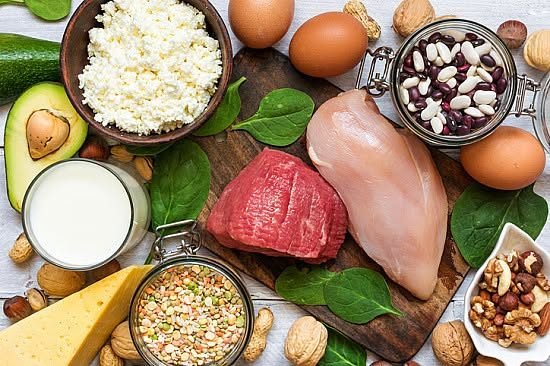
Greek yogurt, eggs, cottage cheese, lentils, canned tuna, tofu, edamame, protein-rich pasta. You don’t need to eat like a bodybuilder — just make sure each meal has a real protein source instead of hoping snacks cover it. Not glamorous, not expensive — just something that works.
Quick Takeaways
- You need more than you think: ~0.7g per pound: The RDA of 0.
- Protein preserves muscle as you age: After 30, adults lose 3 to 8% of muscle per decade — faster if protein is low and you’re sedentary.
- It controls hunger better than carbs or fat: Protein is the most satiating macronutrient — it reduces ghrelin (the hunger hormone) more effectively.
- Your hair, skin, and nails notice: Hair shedding, brittle nails, and slow wound healing can all signal low protein — it’s literally the building material.
- Spread it across the day: Your body uses protein best in doses of 25 to 40 grams per meal rather than one giant dinner load.
- Easy sources that aren’t chicken breast: Greek yogurt, eggs, cottage cheese, lentils, canned tuna, tofu, edamame, protein-rich pasta.
What the Evidence Actually Says
It’s worth knowing how to weigh health claims: large randomized trials beat small ones, human studies beat animal studies, and consensus across many studies beats any single headline. When you see a dramatic claim — especially one selling a product — check whether it’s backed by the boring, replicated kind of evidence or just a compelling story.
The fundamentals in this article earn their place because they’ve survived decades of scrutiny: sleep, movement, whole foods, stress management. Unsexy, unprofitable, and undefeated. New discoveries are exciting, but they rarely dethrone the basics.
A Common Mistake to Avoid
Assuming protein only matters for muscle-building. The RDA minimum keeps you out of deficiency, not in optimal health. Non-lifters who bump protein to 0.7g per pound typically report better satiety, steadier energy, and easier weight maintenance — no gym required.
If you want to go deeper on a related topic, see our guide to is it bad to crack your knuckles every day — and for a different angle on everyday wellness, our guide to what is a healthy weight loss goal per month is worth your time.
Food as Foundation
No health strategy outruns a poor diet — but ‘fix your diet’ doesn’t mean perfection. The 80/20 rule applies: mostly whole foods, plenty of plants, adequate protein, water over soda. Get the big patterns right and the details matter far less than the wellness industry claims.
Cook more than you think you can — even simple meals. People who cook regularly eat better with less effort than people who optimize restaurant orders. A few reliable recipes on rotation beats nutritional theory every time.
For authoritative background, see the Sleep Foundation’s sleep hygiene research, and also evidence-based health guides from Healthline for a second perspective.
Frequently Asked Questions
Can too much protein hurt my kidneys?
In healthy people, no — that’s a persistent myth. High protein is only a concern with pre-existing kidney disease, in which case your doctor should guide intake.
Do I need protein powder?
No. It’s convenient, not necessary. Whole food sources work identically; powder just helps on busy days or for people who struggle to eat enough.
Turning Advice Into Habit
Information doesn’t change behavior — systems do. For each change you want to make, answer three questions: when exactly will I do it, what might get in the way, and what will I do instead when it does? This ‘implementation intention’ technique is one of the most replicated findings in behavior science.
Review weekly, not daily. Daily scrutiny breeds discouragement over normal fluctuation; weekly reviews show real trends. Keep a one-line nightly note — what you did, how you felt — and patterns emerge that no app can give you. You’re running an experiment where you’re both scientist and subject.
The Bottom Line
Even without lifting, aim for roughly 0.7 grams of protein per pound of body weight daily, spread across meals. It’s the easiest nutrition upgrade for hunger control, healthy aging, and steady energy.



