
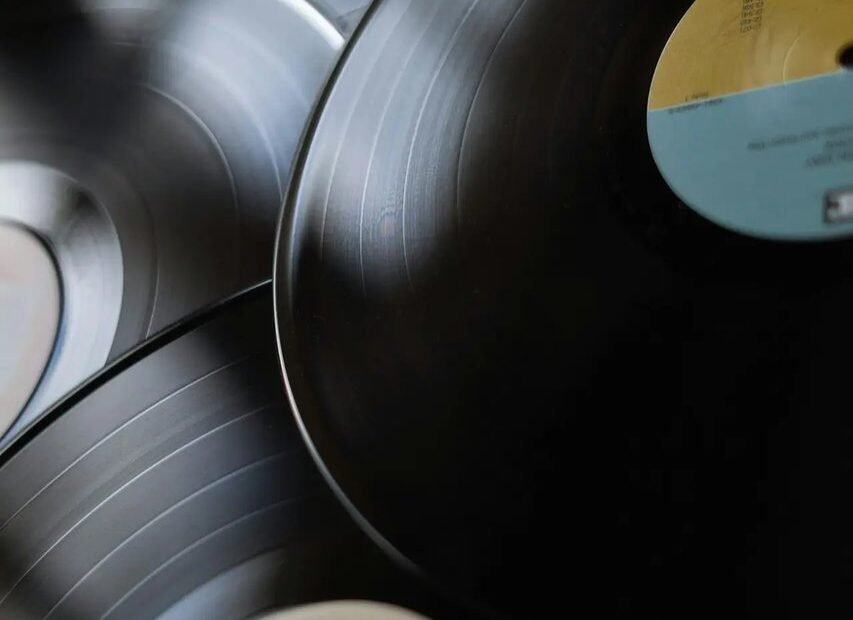
A working record collection can start for less than one new video game. Roughly $150 of used gear and a stack of $1 records is enough to be listening properly within a month — no $400 turntable, no $35 reissues, no special vocabulary required. The trick is order. Vinyl punishes people who buy records first and figure out playback later, and it rewards people who move in phases: get a safe turntable running, learn where cheap records hide, build the shelf slowly, then settle into habits that keep costs down for years.
Phase 1: The Turntable Comes First (Week One)
Nothing else matters until a turntable that treats records kindly is sitting on a level surface and playing without wobble. One class of player must be skipped entirely: the all-in-one suitcase and briefcase players sold in gift shops. Their needles press down with too much force, their parts cannot be replaced, and they wear grooves out faster than a decent deck. Cheap is fine. Damaging is not.
Two routes fit a tight budget. The new route is a basic belt-drive deck from a known audio brand — the Audio-Technica AT-LP60X sits around $150 new, is fully automatic, and has a built-in phono stage so it can plug straight into powered speakers. The used route often gives more for less. Japanese direct-drive and belt-drive decks from the 1970s and 1980s by Technics, Pioneer, and Sony turn up at estate sales, thrift shops, and local listings for $50 to $100, and many were built to a higher standard than budget decks sold today. Test any used deck before paying. The platter should spin at a steady speed with no grinding. The tonearm should swing freely and settle gently. The needle, called the stylus, should look straight, not bent or crusted. Budget $15 to $25 for a fresh stylus on any used purchase, even if the old one looks fine. It is the cheapest insurance in the hobby and the sound often improves at once.
Sound has to come out somewhere. If money is gone after the turntable, powered speakers are the simplest path — a basic pair costs $50 to $100 new, and good used pairs appear in thrift shops for around $20. A secondhand receiver plus passive speakers can sound better and costs about the same, but it takes more space and more cables. Either is fine. What matters is placement: speakers at ear height when seated, not on the same shelf as the turntable if that can be helped, because vibration feeds back into the needle and muddies the sound. Keep the deck away from a heat vent, out of direct sun, and on a surface that does not shake when someone walks past.
Phase 2: The First Records (Weeks Two to Four)
With playback sorted, the hunt begins — and the cheapest records live where most new collectors never look. Thrift stores such as Goodwill and the Salvation Army price most records at $1 to $3. Estate sales often beat them, with boxes at $1 each on the final day. Record shops keep dollar bins near the floor or by the door, full of overstocks and common titles. Flea markets sit somewhere in between, rewarding early arrivals.
The shelves in those places reflect what past generations actually bought, so classic rock, jazz, soul, Motown, country staples, and classical box sets show up in depth, while current indie titles rarely do. That is a gift for a beginner. A first stack of ten might hold a Fleetwood Mac album, a Miles Davis reissue from a thrift bin, a Motown collection, a Johnny Cash record, and a classical box set in near-perfect shape because its owner played it twice. Randomness forces range that a streaming queue never would.
Grading by eye takes ten seconds per record and saves real money. Hold the disc by its edges under a light and tilt it. Light surface marks that catch the light at one angle usually play fine. Deep scratches you can feel with a fingernail will click or skip — put those back unless the record is rare and costs a dollar. Check for warps by sighting along the edge. Smell the sleeve: heavy mildew means the record lived somewhere damp, and mold can spread to clean records shelved beside it. Look at the label for spindle marks; many arcs around the center hole suggest heavy play. When in doubt, spend the dollar only if the music is something genuinely wanted.
Phase 3: Building the Shelf Without Blowing the Budget (Months Two to Six)
The second phase temptation is volume: filling a crate fast because each record was cheap. Resist it with one rule and one exception. The rule is to buy records that will actually get played. Ten loved records beaten fifty filler records every time, and a shelf of filler makes the whole collection feel dull to browse. The exception is the $1 curiosity buy — one unfamiliar album per trip, chosen for its cover, its label, or a sideman whose name rings a bell. A dollar is a fair price for a musical education, and blind cheap buys are how tastes widen. Anyone wondering how to find new music similar to your favorite bands will find that the dollar bin answers the question sideways, by putting near-neighbors of known favorites into the stack for almost nothing.
Before paying more than $10 for any single record, check its going rate. Discogs’ record marketplace and price database lists past sales with a median price for each pressing, and that one check prevents the most common beginner loss: paying $25 in a shop for a common record that sells online every week for $6. Pressing details matter there. Millions of copies of the biggest 1970s albums were pressed, so a standard copy in good shape is a $5 to $10 record no matter what a sticker claims. Picture discs look fun and usually sound worse than plain black vinyl. Sealed vintage copies at high prices deserve suspicion, since resealed records are a known trick. Pay for condition and music, not for a story.
Storage starts now, not later. Records stand upright, snug but not crushed, never leaning at an angle for weeks and never stacked flat, because weight and heat warp them. A simple cube shelf or a sturdy crate does the job. A $15 anti-static brush, used in a few light sweeps before each play, is the one care tool worth buying early. Outer plastic sleeves, about $10 for a pack of fifty, protect covers from shelf wear and cost little per record. Keep the shelf away from radiators and sunny windows. Organize alphabetically by artist from the start; at thirty records any system works, but at one hundred and fifty, searching an unsorted shelf turns annoying, and re-sorting a big collection is a weekend gone.
Phase 4: Habits That Keep the Hobby Cheap (Month Six Onward)
Long-term collectors who spend little share a few steady habits. They set a monthly cap — $20 to $40 suits most people — and treat the cap as part of the fun. Limits force choices, and choices build a shelf with a point of view. They visit the same two or three thrift shops weekly, briefly, rather than driving across town monthly, because stock turns over constantly and regulars learn which shop gets music donations and on which day the new carts roll out. Ten minutes on a lunch break beats a rare three-hour expedition.
They keep a wantlist on a phone. Gems appear without warning — a first pressing in a flea market box, a jazz record priced as junk because the seller did not know it — and a wantlist turns a vague browse into a sharp-eyed scan. They also trade and sell back. Every collector buys a few disappointments. Selling or trading those at a local shop funds the next finds and keeps the shelf honest. Shops usually offer more in trade credit than in cash, which suits a collector who plans to keep buying there.
Care habits protect the money already spent. Handle records by the edges and the label, never the grooves. Return each record to its inner sleeve right after playing, and keep inner sleeves clean or replace torn ones for pennies. Give dusty thrift finds a proper clean before the first play — a basic spin-clean style bath or a shop cleaning service for a dollar or two per record — because playing grit grinds it deeper. Store the stylus guard in a known place and use it when moving the deck.
One last habit separates collectors from accumulators: play the records. A collection earns its shelf space by being heard — full sides, in order, phone in another room now and then. That ritual, the crackle before the first track, the flip halfway through, is the entire reason the format survived. Started in phases, the whole thing costs less than most people fear: a careful turntable first, a month of dollar bins, a shelf built by rules instead of impulse, and habits that keep it that way. The expensive version of vinyl exists, loud and shiny, in shop windows. The good version is quieter, cheaper, and much more fun to hunt for.




1 Comment