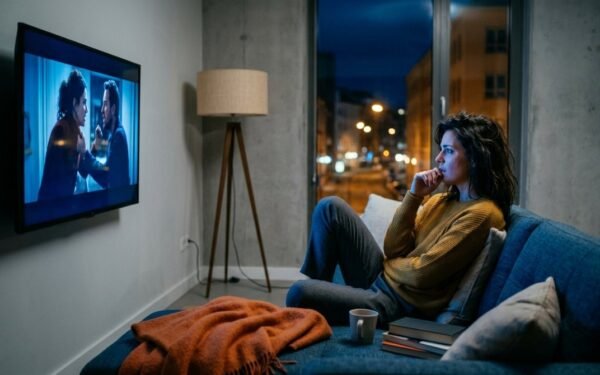
It is 5:47 p.m. on a Friday. The group chat lights up with the message everyone expected and nobody wanted to answer: so what are we doing tonight. Three dots appear and vanish. Someone suggests a new bar across town. Someone else does the math out loud — cover, two drinks, a rideshare home, close to $80 each — and the chat goes quiet again. Nobody actually wants to go out. Nobody wants to admit that staying home sounds better, either, because staying home with no plan usually means four people on one couch, each scrolling a different feed. The fix for that Friday, and for most Fridays like it, is not a better bar. It is giving the night at home a start time, a shape, and one or two things worth doing.
Picture how that evening can run when someone takes charge early. At 5:52, one person stops the drift with a decision: staying in, cooking contest at 7, movie after, phones in the kitchen. The message is short and it names times. That matters more than it sounds. A vague plan to hang out lets the night dissolve. A plan with a first step pulls people off their phones and into the kitchen, and once the evening has momentum, it tends to keep it.
6:00 p.m. — Set the Room Before Anyone Arrives
The half hour before guests show up decides whether the night feels like an event or an accident. In the scenario that works, the host does four small things. The overhead lights go off and lamps go on, because harsh white light makes any living room feel like a waiting room. A playlist goes on at low volume — something upbeat with no lyrics that demand attention — so the first person through the door walks into sound instead of silence. Snacks go out early, even if dinner is coming later: a bowl of popcorn, chips with two dips, something sweet in reach. People gather around food without being told to. The last job is seating. Extra cushions on the floor, chairs pulled into a loose circle instead of a straight row facing the TV. A circle says conversation. A row says waiting.
Drinks need the same quick thought: a pitcher of lemonade, sodas on ice, water within reach. If adults are having beer or wine, keep it simple and keep food alongside. Avoid an empty-handed pause in the first twenty minutes — that pause is when phones come out.
6:30 p.m. — Food That Is Also the Activity
By 6:30 the kitchen becomes the first activity, not just a place to make dinner. The version that works best for a mixed group is a build-your-own contest with a level playing field. Pizza is the easiest format. One batch of dough or a pack of large flatbreads, a shared set of base ingredients, and then each person gets a small budget of wild-card toppings from whatever is in the fridge and pantry — pickled onions, leftover roast chicken, hot honey, corn, barbecue sauce, three kinds of cheese. Everyone builds on a timer, say fifteen minutes, so nobody overthinks it.
Judging needs rules or it turns into everyone politely praising everyone. Score three things out of ten: looks, taste, and boldness. Write scores on paper slips so the judging stays honest and a little dramatic. The winner gets a ridiculous title for the week and chooses the movie later. The real payoff is not the title. It is that dinner took an hour, involved everyone, and produced a story. A delivered pizza eaten in silence in front of a screen takes twenty minutes and produces nothing to talk about.
Taco bars, baked potato bars, and homemade ramen work the same way if pizza has been done recently. The pattern is what counts: a shared base, personal choices, and a light contest wrapped around it. Keep one safe option plain for picky eaters and anyone with allergies, and label anything spicy clearly. Washing up goes faster if it happens right after eating, with music on and everyone assigned one job. Five minutes of teamwork beats one host stuck at the sink while the night moves on without them.
7:45 p.m. — The Game Hour
After food, energy dips. That is the moment a typical night in dies, so the plan puts a game there on purpose. Board and card games suit the gap because they need no setup beyond a cleared table, they give shy guests something to do with their hands, and they create the friendly arguments people remember the next day. Short games beat long ones on a Friday. A round of a bluffing card game, a fast word game, or a drawing game where bad art is the whole point will fill forty minutes with noise. Long strategy games with sixty-page rulebooks belong on a Sunday afternoon, not after a work week when half the table is tired.
Choosing well helps. A quick scan of BoardGameGeek’s game rankings and player reviews before buying shows how long a game really takes, how many players it suits, and whether the rules take five minutes or fifty to explain. For a group that rarely plays, look for games marked light, with a playing time under forty-five minutes and a best-player count that matches the group. Keep two options ready and let the group vote. Voting takes thirty seconds and gives everyone a small stake in playing.
House rules keep the hour friendly. No phones at the table. The winner of one game picks the next snack, not the next game, so one strong player cannot steer the whole night. Anyone can sit out a round and keep score or run the music. If the group leans toward screens, a party video game tournament fills the same slot — racing games and trivia games where four controllers pass around the room. Either way, set a rough end point. One hour of games, played fully, beats two hours that fade out.
9:00 p.m. — A Movie With a Reason Behind It
By nine, the group is fed, a little competitive, and ready to sit down. The movie works because it was earned and because it has a theme. In the Friday scenario, the winner of the cooking contest picks between two films the host shortlisted earlier — say, two crowd-pleasing comedies from different decades, or a double bill held for another night if energy runs high. A shortlist of two ends the endless scrolling debate in under a minute. Endless browsing is the quiet killer of movie nights. Ten minutes of trailers and arguments can drain the exact good mood the earlier hours built.
Small theater touches lift a normal screening. Dim the lamps to one, put drinks and popcorn within reach before pressing play, and agree on no pausing except for a real break halfway through. Anyone who wants the full method can follow how to host a movie night at home like a theater for seating, sound, and lighting details that make a living room feel deliberate. Phones stay in the kitchen during the film. That single rule changes the room. People laugh louder when everyone is watching the same moment, and the jokes afterward land because nobody missed the setup while checking messages.
Pick the film for the group in the room, not for an imaginary perfect audience. A Friday after a long week calls for pace and payoff: a tight thriller, a comedy with constant jokes, an action film with clear stakes. A slow three-hour drama can be a great choice on another night, with a rested group that chose it on purpose. Runtime matters too. Starting a film at nine means a two-hour film ends at eleven, which leaves room for a wind-down. Starting a three-hour film at nine means half the room is asleep by the final act.
11:00 p.m. — The Wind-Down That People Remember
When the credits roll, the night should not just stop. The two-minute review has become the favorite ritual in plenty of households for a reason. Each person gives the film a score out of ten and names one best moment. Scores spark exactly the right level of disagreement. Someone defends the ending. Someone admits they guessed the twist in the first ten minutes. It takes five minutes and it turns passive watching into a shared opinion, which is far more memorable.
Close the night with something calm and low-effort. Tea, decaf coffee, or a small dessert. Music back on, lights a little brighter, talk drifting to weekend plans. Guests who need to leave can leave at a natural point, full and unhurried. Guests who stay can help stack cushions and carry glasses through without it feeling like a chore. By midnight the apartment is tidy, nobody spent $80, and the group chat the next morning is about the pizza scores and the film argument — not about a bar nobody wanted to visit.
When the Group Is Smaller, Quieter, or Just Two
The same shape shrinks well. For two people, the cooking contest becomes cooking one new dish together, split into clear jobs so both people are busy. The game hour becomes a two-player card game, a cooperative puzzle, or a 1,000-piece jigsaw with a good album playing — slow, companionable, and easy to pause. The movie rules stay identical. For a solo Friday, the shape still helps: cook one thing properly instead of snacking, pick one film or two episodes with a start time, and add one hands-on hour, whether that is sketching, baking, sorting photos, or learning a card trick from a video tutorial. The point is choosing the evening rather than drifting through it.
For families with children, move every time earlier and swap judging to categories kids can win, like most colorful or tallest topping stack. A reading half hour fits before the movie: everyone with a book or comic, blankets out, then a quick show-and-tell about one page each. Keeping the same skeleton each week with different food and a different film builds anticipation rather than boredom.
That is the whole lesson of the 5:47 p.m. problem. The group chat stalled because the choice felt like spending a lot of money to go out or doing nothing at home. A third option exists, and it costs little: decide early, eat together in a way that involves everyone, play for an hour, watch something chosen on purpose, and end with a small ritual. Run that shape once and the next Friday gets easier, because nobody has to ask what the plan is. The plan is already known. It just needs a theme, a topping list, and someone willing to send the first message.