
How can I tell if a USB cable supports fast charging? It’s a fair question, and the honest answer is: it depends — but not in the annoying way. It depends on a handful of specific factors, and once you know what they are, you can figure out your situation in about five minutes. That’s what this article is for.
I’ve seen too many people overpay, waste a weekend, or pick the wrong option simply because nobody gave them the full picture. So here it is: the full picture, written like I’d explain it to a friend over coffee.
How Can I Tell if a Usb Cable Supports Fast Charging: What You Need to Know
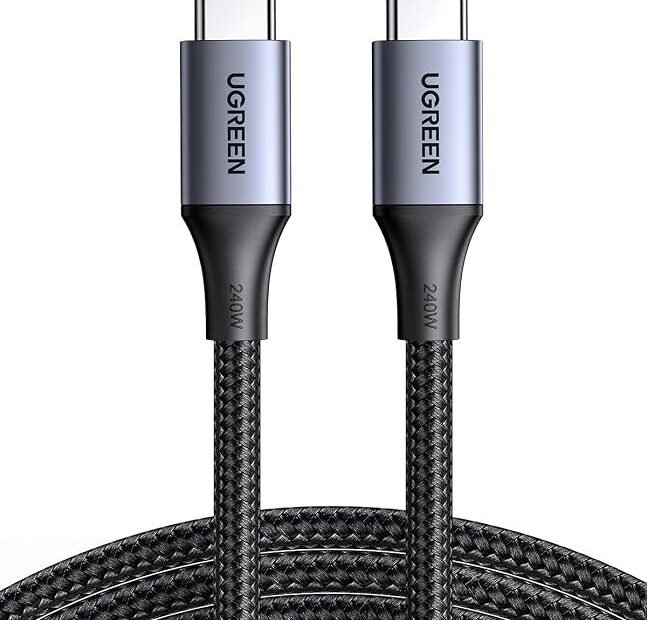
Your phone supports 65W fast charging, your brick is rated for 65W, but the phone still crawls — the cable is the usual suspect. Not all USB cables can carry fast-charging power, and telling them apart is genuinely tricky because they all look identical. Here’s how to identify a real fast-charging cable.
First, understand why cables matter. Fast charging pushes much more electrical current than the old 5W trickle — up to 5 amps in some standards. A thin, cheap cable can’t safely carry that current; it either throttles the charge or overheats. The cable is an active participant in charging speed, not just a dumb wire, and modern fast-charging standards have the phone, brick, and cable negotiate speed together. Worth reading next: Can I Use an Old Phone as a Baby Monitor.
The Part Most People Miss
Check for markings on the cable itself. Quality cables often have tiny printed text along the insulation listing specs like ‘5A’ (5 amps — good for most fast charging) or ‘3A’ (fine up to 60W). USB-IF certified cables may carry the certified logo. No markings at all? That’s a yellow flag — reputable manufacturers label their cables, and unmarked cables are usually basic 2A affairs meant for slow charging and data. For the official guidance, see Consumer Reports’ buying advice.
The connector gives clues too. USB-C to USB-C cables are required for USB Power Delivery (the standard behind most Android fast charging and modern iPhones); if you’re still using USB-A on the brick end, you’re capped at older, slower standards regardless of what the cable claims. For iPhones, genuine or MFi-certified Lightning cables support Apple’s fast charging — counterfeit Lightning cables often don’t, and can even damage the phone.
What to Do About It
- Cables matter: fast charging needs cables rated for high current (3A–5A), not just any wire.
- Look for printed markings: ‘5A’ or ‘3A’ on the insulation; USB-IF or MFi certification logos.
- USB-C to USB-C required for USB Power Delivery fast charging; USB-A caps speed.
- Shop by wattage: 60W minimum, 100W recommended — covers phones and most laptops.
- Test: Android shows ‘Charging rapidly’; or time 0–50% (~30 min = fast charging working).
- Buy certified: Anker, Belkin, UGREEN, or manufacturer originals. Skip $6 mystery cables.
Breaking It Down Further
Wattage ratings are the cleanest way to shop. Cables are sold as 60W, 100W, or 240W rated — match the cable to your charger’s output. A 60W cable with a 65W brick throttles slightly; a 100W cable covers nearly every phone and most laptops. When in doubt, buy 100W USB-IF certified cables — they’re a few dollars more and eliminate the question for years.
The definitive test takes 30 seconds: plug in with the suspect cable and check what your phone reports. Android phones typically display ‘Charging rapidly’ or show the wattage; iPhones don’t show speed, but you can time it — 0 to 50 percent should take about 30 minutes on a proper fast-charging setup. Swap in a known-good cable and compare. If the speed jumps, you’ve found your bottleneck. Related: our breakdown of How Much Does it Cost to Register an Llc in the Us covers the numbers in detail.
When buying, stick to known brands — Anker, Belkin, UGREEN, or the phone manufacturer’s own cables — and look for USB-IF certification on USB-C cables or MFi certification on Lightning. A $12 certified cable beats a $6 mystery cable every time, because the mystery cable is how you end up with slow charging today and a melted connector someday.
Where People Go Wrong
- Assuming all USB-C cables are equal — a basic data cable and a 100W charging cable look identical.
- Pairing a 65W brick with a thin unmarked cable and blaming the phone for slow charging.
- Buying counterfeit Lightning cables that can’t fast-charge and may damage the iPhone.
- Using the free cable from a 2015 device with a 2024 fast-charging phone and brick.
Questions People Ask
Can a bad cable damage my phone?
Poorly made cables can overheat or deliver unstable power. Certified cables have safety circuitry; uncertified cheap ones are where the horror stories come from.
Do I need the manufacturer’s own cable?
No — any certified cable meeting the wattage spec works. Manufacturer cables are safe but overpriced; Anker/Belkin equivalents perform identically.
Why does my cable charge fast sometimes and slow others?
Heat, a dirty connector, or the phone’s battery management throttling past 80%. Also check you’re using the fast-charging brick, not a random old 5W one.
How often should I restart my phone and computer?
A weekly restart is a good habit for both phones and computers. It clears temporary memory glitches, finishes pending updates, and kills runaway background processes that drain battery and slow things down. You don’t need to power off nightly — modern devices handle standby well — but if something starts acting strangely, a restart is always the first troubleshooting step worth trying.
Is it safe to buy refurbished electronics?
Yes, when you buy from reputable sources. Manufacturer-refurbished programs (Apple, Dell, Samsung) include new batteries or thorough testing plus a full one-year warranty — often indistinguishable from new. Third-party refurbishers like Back Market add their own warranties. Avoid no-name sellers with 30-day warranties and no return policy; the seller matters more than the ‘refurbished’ label.
The Bottom Line
Check for 3A/5A markings and USB-IF or MFi certification, use USB-C to USB-C for Power Delivery, and buy 100W-rated cables from reputable brands. Test by watching for ‘Charging rapidly’ or timing the 0–50% charge. The cable is the most overlooked link in the fast-charging chain — a $12 certified one fixes it.
Related: our breakdown of How Much Tax Does a Freelancer Pay on $50000 of Income covers the numbers in detail.
Bottom line: a little homework now saves you money and stress later. Use the steps above, skip the common mistakes, and you’ll come out ahead of most people dealing with this.



