
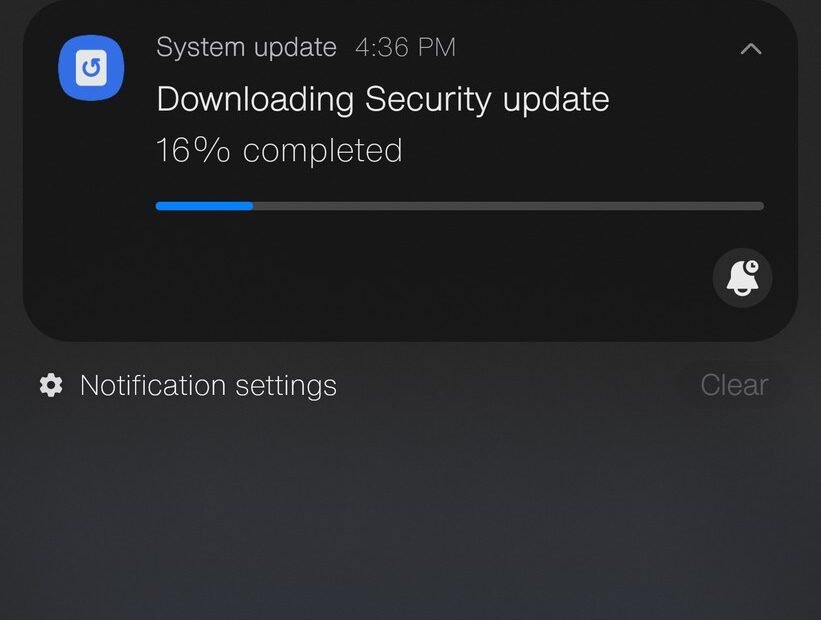
Here’s the thing about what happens if I never update my phone software — the internet is full of answers, but half of them contradict each other and the other half are ads in disguise. I dug through the noise so you don’t have to, and pulled together what actually holds up: real expectations, realistic costs and timelines, and advice that works in the real world.
By the end of this guide you’ll know exactly what you’re dealing with, what your options are, and which one makes sense for your situation. Let’s get into it.
What Happens if I Never Update my Phone Software: What You Need to Know
We all know someone proudly running a three-year-old phone OS, dodging every update notification like it’s a telemarketer. Maybe it’s you. So what actually happens if you never update? The short version: your phone keeps working — until gradually, then suddenly, it doesn’t. Here’s the honest timeline of consequences.
The biggest risk is security, and it’s not theoretical. Phone updates patch vulnerabilities that hackers actively exploit — and attackers specifically target old software versions because the flaws are publicly documented. The infamous Pegasus spyware, for instance, infected phones through vulnerabilities that updates had already fixed. Skipping updates doesn’t just risk annoyance; it leaves known-open doors in a device holding your banking, email, and identity. If that sounds familiar, you may also want our guide to How Much Electricity Does a Gaming Pc Use Per Month.
The Details Most Guides Skip
Next, apps start breaking. Developers build apps for current OS versions, and over 12 to 18 months, your favorite apps will require newer software to install updates — then eventually to run at all. Banking apps are usually first to cut off old versions (for security compliance), followed by social media and streaming apps. You’ll find yourself stuck on ancient app versions with missing features, or locked out entirely. You can also check Consumer Reports’ buying advice for the authoritative details.
Performance and battery often degrade too — ironically, the opposite of what update-avoiders fear. Updates include efficiency improvements and bug fixes; a phone frozen on old software misses years of optimization. That mysterious battery drain or sluggishness might literally be fixed by the update you’ve been declining. (The ‘updates slow down old phones’ fear dates to a real 2017 Apple controversy — for which Apple paid $500 million and changed its practices.)
Smart Moves to Make Now
- Security: unpatched phones are vulnerable to publicly documented exploits — the #1 real risk.
- Apps: banking, social, and streaming apps drop old OS versions within 12–18 months.
- Performance: you miss years of efficiency fixes; some ‘slowdowns’ are fixed by updating.
- Smart strategy: auto-install security patches; wait 2–4 weeks on major OS upgrades.
- Back up before major updates; skip beta versions on your daily phone.
- No more updates available = start planning a replacement within the year.
What Actually Affects the Outcome
There are legitimate reasons people hesitate, so let’s be fair. Updates occasionally introduce bugs — the first release of a major OS version is the riskiest. They can change interfaces you liked. And on very old phones, a major update can strain aging hardware. These are real concerns, but the solution isn’t ‘never update’ — it’s ‘update smartly.’
The smart strategy: install security updates promptly (they’re small and low-risk), and for major yearly OS upgrades, wait two to four weeks after release. By then, the worst launch bugs are documented and usually patched in a follow-up release. Enable automatic security updates, manually approve major versions after the dust settles, and back up before big upgrades. You get 95 percent of the protection with minimal disruption. If that sounds familiar, you may also want our guide to What is the Cheapest Way to Get Fast Unlimited Internet at Home.
One exception: if your phone no longer receives updates at all — most Android phones get 3 to 5 years, iPhones 5 to 7 — that’s the manufacturer’s way of telling you it’s retirement time. An unpatchable phone handling banking and email is a genuine liability. When updates stop coming, start planning the replacement within the year.
Mistakes That Cost People Money
- Treating all updates as risky — security patches are small, safe, and the most important ones.
- Waiting so long that the eventual update jumps multiple versions at once (riskier than incremental ones).
- Assuming ‘it still works’ means ‘it’s still safe’ — compromised phones show no symptoms.
- Keeping banking apps on an unpatchable 6-year-old phone.
Questions People Ask
Do updates really slow down phones?
Minor slowdowns on very old hardware happen, but the 2017 Apple throttling scandal led to reforms and lawsuits. Modern updates are tested on older supported models, and staying updated is safer than not.
How long will my phone get updates?
iPhones: 5–7 years. Google Pixel: 7 years (recent models). Samsung flagships: 4–5 years. Budget Androids: often just 2–3 — check before buying.
Should I update over cellular or wait for Wi-Fi?
Major updates are gigabytes — wait for Wi-Fi unless you have unlimited data. Security patches are small enough for cellular.
How often should I restart my phone and computer?
A weekly restart is a good habit for both phones and computers. It clears temporary memory glitches, finishes pending updates, and kills runaway background processes that drain battery and slow things down. You don’t need to power off nightly — modern devices handle standby well — but if something starts acting strangely, a restart is always the first troubleshooting step worth trying.
Is it safe to buy refurbished electronics?
Yes, when you buy from reputable sources. Manufacturer-refurbished programs (Apple, Dell, Samsung) include new batteries or thorough testing plus a full one-year warranty — often indistinguishable from new. Third-party refurbishers like Back Market add their own warranties. Avoid no-name sellers with 30-day warranties and no return policy; the seller matters more than the ‘refurbished’ label.
The Bottom Line
Never updating trades short-term convenience for growing security holes, dying apps, and missed fixes. The balanced move: auto-install security patches immediately, wait a few weeks on major versions, and start phone-shopping when updates stop arriving. Your banking app will thank you.
If that sounds familiar, you may also want our guide to What is the Best Accounting Software for a One-person Business.
The takeaway is simple — know your options before you’re forced to pick one under pressure. Bookmark this guide, follow the action plan, and you’ll handle it like a pro.




1 Comment