Why does my laptop overheat when I watch videos — it’s one of those questions that sounds simple until you actually need the answer. I’ve been down this road myself, and what I learned is that the real answer depends on a few details most people overlook. Let me walk you through what actually matters, what it typically costs or involves, and how to avoid the traps that catch everyone else.
The short version: there’s no single magic number or one-size-fits-all fix, but once you understand the moving pieces, the decision gets a lot easier. Below is everything I wish someone had told me upfront — the honest breakdown, the practical steps, and the mistakes worth dodging.
Why Does my Laptop Overheat When I Watch Videos: What You Need to Know
A laptop that turns into a space heater the moment you press play is trying to tell you something — video playback shouldn’t push a healthy machine to its thermal limits. The heat comes from your processor working far harder than it should, usually for fixable reasons. Let’s cool it down.
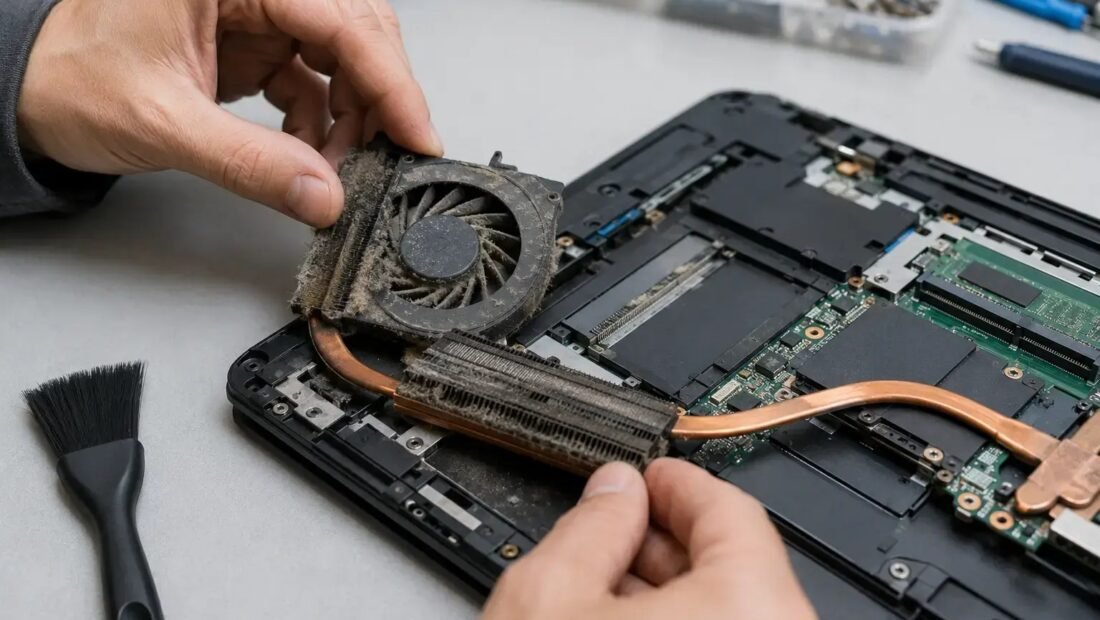
The most common cause is also the most boring: dust. Over months and years, dust cakes the cooling fins and fans inside your laptop, choking airflow until the machine can’t shed heat. Symptoms creep up gradually — it used to handle video fine, now it roars and throttles. The fix: blast the vents with compressed air ($5–$8 a can), blowing inward through exhaust vents to dislodge dust. For a deep clean, a repair shop charges $40–$80 to open it up properly — worth it every couple of years. For more on this topic, see How Much Should I Charge for Freelance Graphic Design Work — it pairs well with what you just read.
The Part Most People Miss
Second culprit: software video decoding. Modern laptops have dedicated hardware for decoding video (your GPU’s video engine) that sips power — but if your browser or player isn’t using it, the main CPU does the work instead, generating far more heat. In Chrome, make sure ‘Use hardware acceleration when available’ is enabled in settings. On Windows, the Movies & TV app and Edge typically use hardware decoding efficiently; some browser-player combinations don’t. For the official guidance, see Consumer Reports’ buying advice.
Video quality settings matter more than you’d think. Streaming 4K on a 1080p laptop screen forces the machine to decode four times the pixels for zero visible benefit — drop YouTube or Netflix to 1080p or 720p and watch temperatures fall. Similarly, 60fps video costs notably more processing than 30fps. Match the stream to your screen and the laptop breathes easier.
Smart Moves to Make Now
- Dust-choked vents are cause #1 — compressed air ($5–$8) or professional cleaning ($40–$80).
- Enable hardware acceleration in your browser so the GPU (not CPU) decodes video.
- Drop stream quality to match your screen — 4K on a 1080p display is pure waste heat.
- Hard flat surfaces only; beds/couches block bottom vents. Cooling pad ($20–$30) helps.
- Check Task Manager for background CPU hogs while video plays.
- Old laptops: dried thermal paste; re-paste drops temps 10–20°C ($10 DIY, $60–$100 shop).
- Shutdowns during video = fix now; warmth alone is normal.
The Details Most Guides Skip
Where and how you use the laptop is huge. A laptop on a bed, couch, or your lap smothers its intake vents — which are on the bottom of most models. Hard, flat surfaces only for video watching. A $20–$30 cooling pad with fans genuinely helps, dropping temperatures 5–10°C by forcing airflow. Also check: is the room hot? Ambient temperature directly sets the floor for how cool the laptop can get.
Background processes are the silent heat source. Open Task Manager and sort by CPU while a video plays — if something besides the browser is eating 20%+ CPU (a stuck updater, a crypto miner from a sketchy download, Windows indexing), that’s your heat. Browsers with 40 open tabs also contribute; each tab is a little furnace. Close what you’re not using. Related: our breakdown of How Much Tax Does a Freelancer Pay on $50000 of Income covers the numbers in detail.
If the laptop is 4+ years old and cleaning doesn’t help, the thermal paste may be dried out. Thermal paste transfers heat from the processor to the heatsink, and it degrades over years — a re-paste ($10 in materials, or $60–$100 at a shop) can drop temperatures 10–20°C on old machines. It’s the most dramatic fix for aging laptops, though it requires opening the machine.
Mistakes That Cost People Money
- Watching video on a bed or pillow, smothering the intake vents — the single most common cause.
- Streaming 4K to a 1080p screen and wondering why the fans scream.
- Ignoring sudden thermal shutdowns, which stress components with every occurrence.
- Assuming the laptop is ‘just old’ when dust or dried paste — both fixable — is the real problem.
Questions People Ask
Is it normal for laptops to get warm watching video?
Warm yes, hot no. Warm palm rest is fine; fans screaming at max with a too-hot-to-touch chassis means something’s wrong.
Do cooling pads actually work?
Yes — modestly but genuinely, typically 5–10°C. They’re most effective on laptops with bottom vents, which is most of them.
Can overheating permanently damage my laptop?
Modern laptops shut down before catastrophic damage, but chronic high heat degrades batteries and solder joints over time. It’s worth fixing, not just tolerating.
How often should I restart my phone and computer?
A weekly restart is a good habit for both phones and computers. It clears temporary memory glitches, finishes pending updates, and kills runaway background processes that drain battery and slow things down. You don’t need to power off nightly — modern devices handle standby well — but if something starts acting strangely, a restart is always the first troubleshooting step worth trying.
The Bottom Line
Clean the dust, enable hardware acceleration, match stream quality to your screen, and keep vents unblocked — those four free fixes solve most video overheating. For old laptops, a thermal re-paste works wonders. Treat shutdowns as urgent; treat warmth as normal.
For more on this topic, see How Can I Turn a Side Hustle Into a Full-time Business — it pairs well with what you just read.
The takeaway is simple — know your options before you’re forced to pick one under pressure. Bookmark this guide, follow the action plan, and you’ll handle it like a pro.