
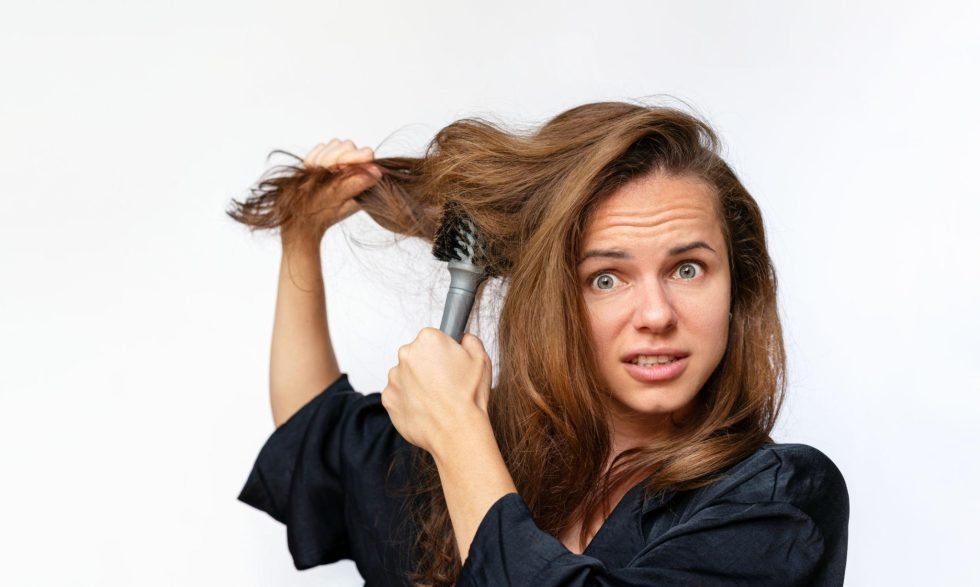
During the most stressful six months of my life, my hairbrush started telling a scary story. I assumed the worst — but stress-related shedding has a very specific pattern, and it’s usually reversible.
I wish someone had handed me a straight-talking guide to this years ago. Instead I pieced it together from doctor visits, research papers, and plenty of trial and error. This article is the guide I wanted: practical, evidence-informed, and free of miracle cures.
Stress cause hair loss: What the Evidence Shows
Let’s get specific about stress cause hair loss — what it means, why it matters, and the practical steps that make a difference. Everything below is actionable starting today.
Yes — it’s called telogen effluvium. Severe stress pushes large numbers of hair follicles into the resting phase simultaneously. Two to three months later, they shed all at once. It’s alarming — handfuls in the shower — but it’s the follicles resetting, not dying. This is the most common stress-hair-loss mechanism. Small change, real payoff — that’s the pattern with this one.
The 2 to 3 month delay confuses everyone
Because shedding lags the stressful event by months, people rarely connect them. Surgery, childbirth, major illness, bereavement, crash diets — the trigger is usually two to three months back. Once you know the timeline, the mystery usually solves itself. File this under ‘boring but effective,’ the best category there is.
It almost always grows back
Telogen effluvium resolves on its own once the trigger passes, with regrowth visible in 3 to 6 months. The follicles aren’t damaged. Chronic ongoing stress can prolong it, which is why managing the stress itself is the actual treatment. Worth trying for two weeks. You’ll know by then if it’s your fix.
Related reading: our guide to how can I improve my posture while working from home covers a closely connected topic worth understanding alongside this one.
Rule out the other suspects
Thyroid problems, iron deficiency, and hormonal shifts cause identical shedding and are extremely common — especially in women. A simple blood panel rules them out. Don’t assume stress until the medical causes are checked, because those have specific treatments. It sounds simple because it is. The hard part is just doing it consistently.
What actually helps: remove the trigger, support regrowth
You can’t massage stress-shedding away, but you can stop crash dieting, get iron and protein adequate, be gentle with styling, and address the stress itself. Minoxidil isn’t typically needed for telogen effluvium since it self-resolves. Not glamorous, not expensive — just something that works.
When it’s NOT just stress
Patchy bald spots (alopecia areata), receding hairlines with miniaturization (pattern loss), or shedding that never stops after 6 to 9 months deserve a dermatologist. Stress gets blamed for hair loss that actually needs medical treatment. Simple, free, and backed by both science and common sense.
Quick Takeaways
- Yes — it’s called telogen effluvium: Severe stress pushes large numbers of hair follicles into the resting phase simultaneously.
- The 2 to 3 month delay confuses everyone: Because shedding lags the stressful event by months, people rarely connect them.
- It almost always grows back: Telogen effluvium resolves on its own once the trigger passes, with regrowth visible in 3 to 6 months.
- Rule out the other suspects: Thyroid problems, iron deficiency, and hormonal shifts cause identical shedding and are extremely common — especially in women.
- What actually helps: remove the trigger, support regrowth: You can’t massage stress-shedding away, but you can stop crash dieting, get iron and protein adequate, be gentle with styling, and address the stress itself.
- When it’s NOT just stress: Patchy bald spots (alopecia areata), receding hairlines with miniaturization (pattern loss), or shedding that never stops after 6 to 9 months deserve a dermatologist.
The Role of Consistency (It’s Everything)
Almost every health intervention works on the same curve: modest effort, sustained for months, beats intense effort abandoned in weeks. The body adapts slowly — whether you’re building a habit, healing tissue, or changing a biomarker. Expect the first two weeks to feel pointless; that’s normal, not failure.
Build your environment for success instead of relying on willpower. Lay out what you need the night before, remove friction from the good choice, add friction to the bad one. Willpower is a terrible plan; design is a great one.
A Common Mistake to Avoid
Panic-buying every hair growth serum on the market. Most do nothing for stress shedding, which resolves on its own. The money is better spent on the blood work that rules out thyroid and iron issues — the treatable causes hiding behind the ‘it’s just stress’ assumption.
If you want to go deeper on a related topic, see our guide to is it normal to feel anxious before a doctor visit — and for a different angle on everyday wellness, our guide to how much does therapy cost without insurance in the US is worth your time.
Stress: The Hidden Variable
Chronic stress quietly sabotages nearly every health goal — disrupting sleep, driving cravings, tensing muscles, suppressing immunity. Managing it isn’t luxury; it’s maintenance. Ten minutes of daily decompression (walking, breathing, journaling) pays compound interest across every other habit.
You can’t eliminate stress, but you can process it. The research favors active recovery — movement, social connection, time in nature — over numbing (scrolling, drinking). Build one genuine stress outlet into your routine and protect it like an appointment.
For authoritative background, see evidence-based health guides from Healthline, and also the American Heart Association’s healthy living resources for a second perspective.
Frequently Asked Questions
How much shedding is normal?
About 50 to 100 hairs a day. Stress shedding can triple that temporarily. A simple test: if your ponytail feels noticeably thinner, that’s significant shedding worth tracking.
Does stress cause permanent baldness?
Ordinary stress shedding doesn’t. But chronic stress can worsen pattern hair loss in genetically susceptible people — a different mechanism that benefits from earlier treatment.
Start Small, Start Today
The best time to start was a month ago; the second-best time is after you finish this article. Pick the lowest-effort recommendation above and do it today — drink the water, take the walk, make the appointment, move the screen. Action today beats planning tomorrow.
Then build the week’s rhythm: same wake time, one daily movement block, one real meal you cooked. Boring? Completely. Effective? More than any dramatic overhaul. Health is built in ordinary weeks, not heroic ones — stack enough ordinary weeks and the results surprise you.
The Bottom Line
Stress absolutely can cause dramatic but temporary hair shedding, typically 2 to 3 months after the stressful event. It grows back. Get thyroid and iron checked, be patient, and see a dermatologist if it doesn’t resolve within six months.



