Saturday morning: you are 34, playing soccer like you are 19, and by Sunday you cannot walk down stairs. Weekend soccer is glorious and brutal in equal measure, because adult bodies do not recover like teenage ones, but weekend intensity does not adjust for that fact. The good news: most weekend soccer injuries are preventable with boring, unsexy preparation. Here is the complete guide for Texas players in 2026.
We will cover the most common weekend injuries, the warm-up science, ankle and knee prehab, the heat safety rules, footwear and surface choices, and the recovery routine.
The Most Common Weekend Soccer Injuries
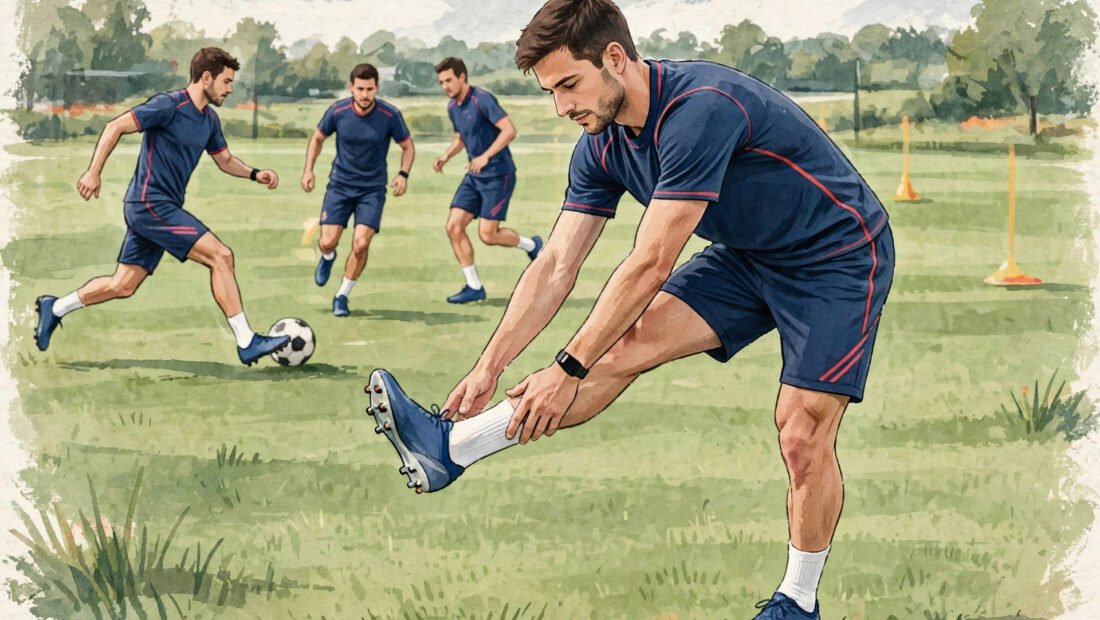
Ankle sprains: the number one soccer injury at every level. Weekend players get them from uneven park fields, worn cleats, and fatigued stabilizing muscles late in games.
Hamstring strains: the classic “I sprinted for a ball I had no business chasing.” Cold muscles plus maximal sprints equals pulled hamstrings, especially in players who sit all week.
Knee injuries (ACL/MCL): less common but most serious. Planting, cutting, and collisions stress knee ligaments. Women face 2-8x higher ACL injury rates, making prevention programs especially important.
Groin strains: from kicking and sudden direction changes without adequate hip mobility and strength.
Calf strains and Achilles issues: explosive push-offs on tight calves, common in players who skip warm-ups.
Collisions and contact injuries: weekend games with mismatched intensity produce more contact injuries than organized leagues with refs.
The CDC sports injury prevention guidance and AAOS soccer injury prevention tips from orthopedic surgeons cover the medical foundations.
The Warm-Up That Actually Prevents Injuries
Forget static stretching before games; the science is clear that a dynamic warm-up is what prevents injuries. The FIFA 11+ program, developed specifically for soccer, reduces injuries by 30-50% in studies. Its structure:
Part 1: Running exercises (8 minutes). Easy jogging, hip rotations, lateral shuffles, forward/backward running. Raise body temperature and wake up movement patterns.
Part 2: Strength, plyometrics, balance (10 minutes). Nordic hamstring curls (the single best hamstring injury prevention exercise), single-leg balance work, squats, lunges, bounding. This is the injury-prevention core; do not skip it.
Part 3: Running with direction changes (2 minutes). Short sprints with cuts and decelerations, bridging the gap between warm-up and game intensity.
Twenty minutes total. Teams that do it get hurt dramatically less. Individuals who arrive early and do it solo get the same benefit. The players who “warm up” by standing around chatting are the ones limping by halftime.
Ankle and Knee Prehab: The Twice-Weekly Insurance
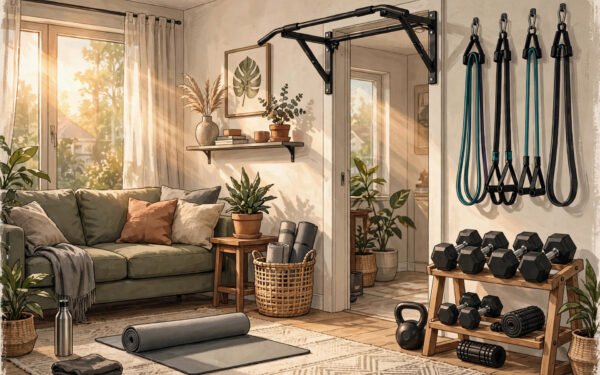
Two 15-minute sessions weekly, separate from games, build the resilience that warm-ups alone cannot:
Ankles: single-leg balance (progress to eyes closed, then on unstable surfaces), resistance-band ankle inversions/eversions, calf raises (straight and bent knee for soleus). Strong, proprioceptive ankles resist the rolls that end seasons.
Knees: Nordic hamstring curls (start assisted, progress gradually), single-leg squats, lateral band walks for glute medius (the muscle that keeps knees tracking correctly), and landing practice: jump and land softly with knees over toes, quietly. Loud landings are dangerous landings.
Hips and groin: Copenhagen planks for adductors, hip flexor stretches, glute bridges. The hip complex stabilizes everything below it; weak hips cascade into knee and ankle problems.
For ongoing joint care, low-impact exercises for bad knees complement field work, and exercises for lower back pain at home address the core stability that protects everything.
Texas Heat Safety: Non-Negotiable Rules
From May to September, heat is the primary safety concern in Texas soccer, above all injury risks. Rules:
Hydrate before, during, after. Start hydrating the day before, not at kickoff. Drink 16-24 oz in the two hours before, 6-8 oz every 15-20 minutes during play, and continue after. Water suffices for games under an hour; longer or hotter games need electrolytes.
Schedule intelligently. Morning games before 10 AM or evening games after 6 PM. Midday summer games in Texas are genuinely dangerous; push back on organizers who schedule them.
Know the warning signs. Heat exhaustion: heavy sweating, weakness, headache, nausea, dizziness. Heat stroke: hot dry skin, confusion, loss of consciousness. Heat stroke is a medical emergency; call 911. Cool the person aggressively while waiting.
Acclimatize. It takes 10-14 days of progressive heat exposure to adapt. Early-season games in rising heat are the danger zone; your body has not adjusted yet.
Footwear, Surface, and Game-Day Choices
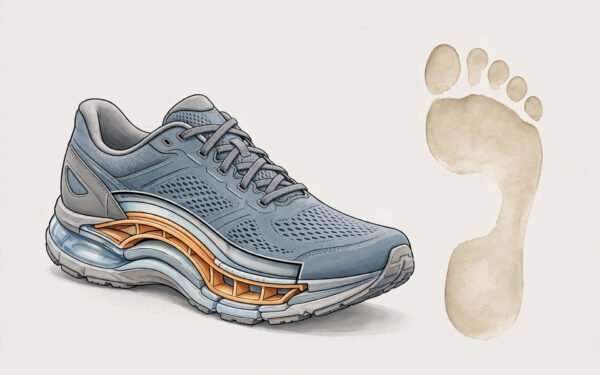
Cleats matter. Worn studs on hard Texas summer fields cause slips and ankle rolls. Match cleat type to surface: firm-ground for maintained grass, turf shoes for artificial turf (never metal studs on turf). Replace cleats when studs wear unevenly.
Field assessment. Before kickoff, walk the field. Note holes, sprinkler heads, hard patches, and wet spots. Weekend park fields are minefields; a 60-second survey prevents the ankle sprain that ends your season.
Shin guards, always. Non-negotiable in any game with slide tackles or competitive intensity. The players who skip them are one mistimed tackle from a fractured tibia.
Know your limits mid-game. Fatigue is when injuries happen: muscles tire, form degrades, reaction slows. Sub yourself off when exhausted rather than playing through it. There is no trophy worth a torn ACL, and your team prefers you healthy next week over heroic today.
Recovery between games matters as much as preparation. How much sleep adults really need is directly relevant: sleep-deprived players get injured more, full stop. The American Heart Association on sports safety reinforces the cardiovascular precautions.
The Recovery Routine
Immediately post-game: cool down with 5-10 minutes of easy jogging and walking, then rehydrate and eat within two hours (protein plus carbs).
That evening: gentle mobility work, not aggressive stretching of damaged tissue. Compression and elevation for any knocks.
Next day: active recovery: walk, easy bike, swim. Movement heals; total rest stiffens. Soreness is normal; sharp pain is not.
Through the week: one or two prehab sessions, normal training, and honest assessment: if something still hurts Thursday, do not play Saturday. Playing injured turns minor issues into season-enders.
Frequently Asked Questions
How do I prevent hamstring pulls specifically?
Nordic hamstring curls are the evidence-based gold standard, reducing hamstring injuries by up to 70% in studies. Add sprint build-ups in warm-ups (never go from zero to full sprint cold), and maintain hamstring flexibility through the week.
Are ankle braces worth wearing?
For players with prior sprains, yes: lace-up braces reduce re-injury risk significantly without meaningfully restricting performance. For healthy ankles, prehab exercises are better than prophylactic bracing.
How do I handle a twisted ankle mid-game?
Stop playing immediately. RICE in the first 48 hours (rest, ice, compression, elevation), then progressive rehab. “Walking it off” on a real sprain converts a one-week injury into a six-week one. If you cannot bear weight, get it evaluated.
Should I play through pain?
Muscle soreness: yes, carefully. Joint pain, sharp pain, or pain that alters your movement: no, always. Pain that changes how you move causes compensatory injuries elsewhere. One missed game beats three missed months.
At what age should I switch to less intense formats?
There is no age; there is only recovery capacity. When you consistently need 4+ days to recover from a game, consider smaller-sided games, walking soccer leagues (a growing format), or refereeing. Adapting the format beats quitting the sport.
The bottom line: warm up dynamically for 20 minutes, do ankle and knee prehab twice weekly, respect Texas heat absolutely, wear proper gear, and sub off when fatigued. Weekend soccer should leave you tired and happy, not injured and sidelined. The preparation is boring; being healthy enough to play every Saturday is not.