“Get paid to play games” remains one of the internet’s most seductive promises — and one of its most misunderstood. In 2026, game streaming on YouTube is absolutely still a real way to earn money. It’s also a brutal grind where most beginners earn nothing for a year, the algorithm favors consistency over talent, and “profitable” depends entirely on what you count as costs. This guide gives you the honest economics: what beginners actually earn, what it really costs, and the strategy that separates the channels that monetize from the ones that stall at 47 subscribers.
The Honest Economics: What Beginners Actually Earn
Let’s start with real numbers. YouTube pays gaming creators roughly $2–$5 per 1,000 monetized views (RPM varies by audience geography, season, and ad inventory — US audiences pay best, which helps Texas-based creators). Do the math: 10,000 monthly views earns roughly $20–$50. That’s not profit — that’s coffee money. Meaningful income ($1,000+/month from ads alone) typically requires 300,000–500,000 monthly views, which takes most gaming channels 1–3 years of consistent publishing.
But ads aren’t the whole picture. The profitable 2026 streaming channels stack revenue: channel memberships (recurring monthly payments from loyal fans), Super Chats and Super Stickers during live streams, sponsorships (gaming chair, energy drink, VPN brands pay $20–$50 per 1,000 views for dedicated segments once you’re established), affiliate links (gear, games — 4–8% commissions that compound), and merchandise at scale. Diversified channels often earn 2–3x their ad revenue from these sources combined.
The Real Costs Nobody Calculates
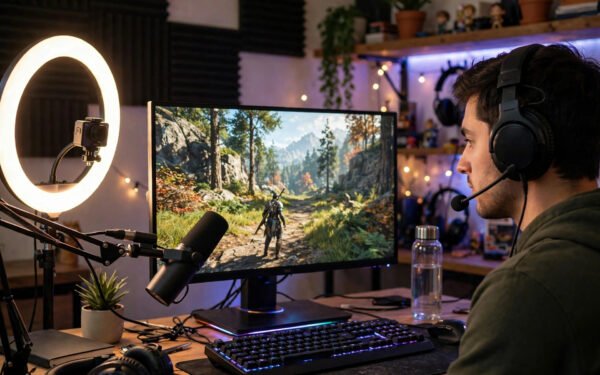
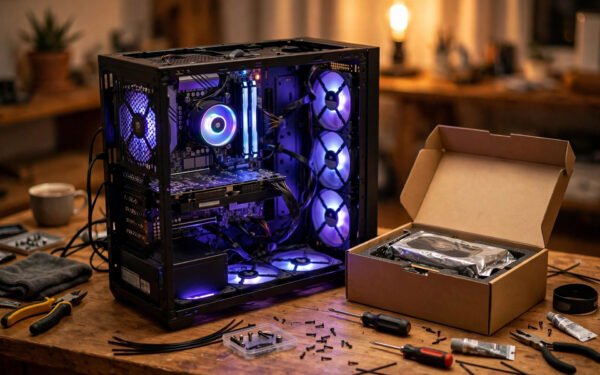
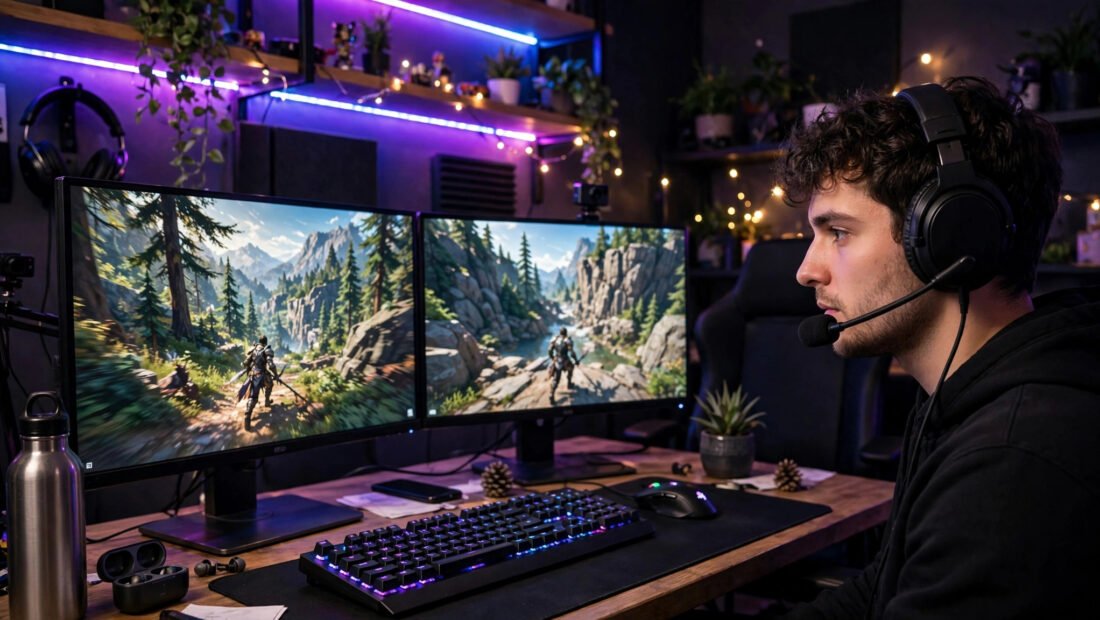
Profit = revenue − costs, and beginners chronically undercount costs. The obvious ones: a capable PC or console, decent microphone ($30–$100 is the real starter range), webcam (optional but helps), and capture equipment if console-streaming. Our breakdown of basic desktop setup costs covers the PC side honestly. The hidden costs hurt more: electricity (streaming rigs run hot for hours — see what a gaming PC costs per month in electricity, and note Texas summer rates punish always-on setups), internet upgrades (upload speed matters more than download for streaming — many Texas plans skimp on upload), software subscriptions (editing tools, thumbnail makers, music licensing), and the biggest cost of all: time. Twenty hours weekly for a year at even minimum wage is a $7,500+ opportunity cost. Count it.
Why Most Beginner Channels Fail (And How Not To)
The failure pattern is depressingly consistent: stream generic gameplay with no commentary plan, no schedule, and no discoverable content, then quit at month four when 12 concurrent viewers feels like shouting into a void. The algorithm doesn’t promote streams to new viewers effectively — discoverability comes from edited videos and Shorts, not live streams. That’s the strategic insight most beginners miss: in 2026, successful “streamers” are really video creators who also stream. The VODs and highlight clips bring the audience; the live streams monetize the loyal core.
The winning formula: pick a specific niche (one game, one challenge format, one personality angle), publish 2–3 edited videos weekly optimized for search (“how to,” “best,” “ranked,” challenge formats), stream 2–3 times weekly on a fixed schedule for community building, and cut every stream’s best moments into Shorts. Boring? Yes. Effective? Overwhelmingly — it’s what every channel that broke through in the last two years did.
The Monetization Timeline (Realistic)
Months 1–6: $0. You’re below the YouTube Partner Program thresholds (1,000 subscribers + 4,000 watch hours or 10M Shorts views). Everything is investment. Months 6–12: $50–$300/month for channels executing well — mostly ads plus early affiliates. Year 2: $300–$2,000/month for consistent growers, as memberships and sponsorships layer in. Year 3+: the spread explodes — top niche channels clear five figures monthly while equally old stagnant channels still earn hundreds. The differentiator is never luck; it’s publishing cadence, niche clarity, and compounding audience.
Read YouTube’s Partner Program requirements early so you build toward the actual thresholds, and study the FTC’s endorsement disclosure rules before your first sponsorship offer arrives — disclosure violations carry real penalties.
Gear Upgrades That Actually Matter (In Order)
When revenue starts covering costs, upgrade in this order — each tier unlocks only after the previous earns its keep. Tier 1 (first $200 earned): a proper USB microphone upgrade and basic acoustic treatment (blankets and foam panels beat expensive mics in echoey rooms). Tier 2 ($500+): a decent webcam or used DSLR-as-webcam setup, plus proper lighting — a $40 key light does more for perceived quality than a $400 camera in bad light. Tier 3 ($1,500+): a dedicated streaming PC or capture setup so gaming and encoding stop fighting for resources, and ergonomic furniture for the long sessions ahead. Never buy: anything on credit against future earnings, or “pro” gear before you have 1,000 subscribers. Gear doesn’t fix content; it polishes content that’s already working.
Is It “Worth It”? The Decision Framework
Ask three questions. 1. Would you do it for free for a year? If no, stop — the money won’t arrive fast enough to sustain you otherwise. 2. Do you enjoy the creating or just the playing? Streaming is 30% gaming, 70% content production, community management, and analytics. People who love performing thrive; people who just love games burn out. 3. Can you afford the timeline? Treat year one as an unpaid internship you’re funding. If that breaks you financially or emotionally, build the channel as a side project with zero income expectations — which, paradoxically, is when most channels succeed, because desperation reads on camera.
Conclusion
Game streaming on YouTube is still profitable for beginners in 2026 — but “profitable” means a 1–3 year ramp, stacked revenue streams beyond ads, ruthlessly counted costs, and a strategy built on discoverable edited content feeding community live streams. The creators earning real money aren’t the most skilled players; they’re the most consistent publishers in the clearest niches. If you’d do it for free for a year, can afford to, and genuinely enjoy performing — start this week, publish 100 videos before judging, and let compounding do the rest.
Frequently Asked Questions
How much do beginner gaming YouTubers make?
Typically $0 for the first 6+ months, then $50–$300/month once monetized. Meaningful income ($1,000+/month) usually requires 1–3 years of consistent publishing and 300,000+ monthly views.
Is streaming or making videos better for growth?
Edited videos and Shorts for growth (discoverability), live streams for monetization and community. Successful channels do both — videos bring new viewers, streams convert them into paying supporters.
What equipment do I need to start streaming?
A PC or console, free OBS software, a $30–$100 USB mic (audio matters most), and decent upload internet. Upgrade cameras and production value after you have an audience.
How many hours a week does it take?
Serious beginners invest 15–25 hours weekly (streaming, editing, thumbnails, community). Part-time approaches work but stretch the timeline proportionally.
How long until a gaming channel becomes profitable?
Realistically 12–24 months to consistent meaningful income for channels publishing weekly with a clear niche. Channels treating it as a full-time effort from day one can compress this; casual part-time channels often take 2–3 years.
Do I need to show my face?
No — many successful gaming channels are faceless (commentary over gameplay). Facecam helps parasocial connection but isn’t required; strong commentary and editing matter more.