
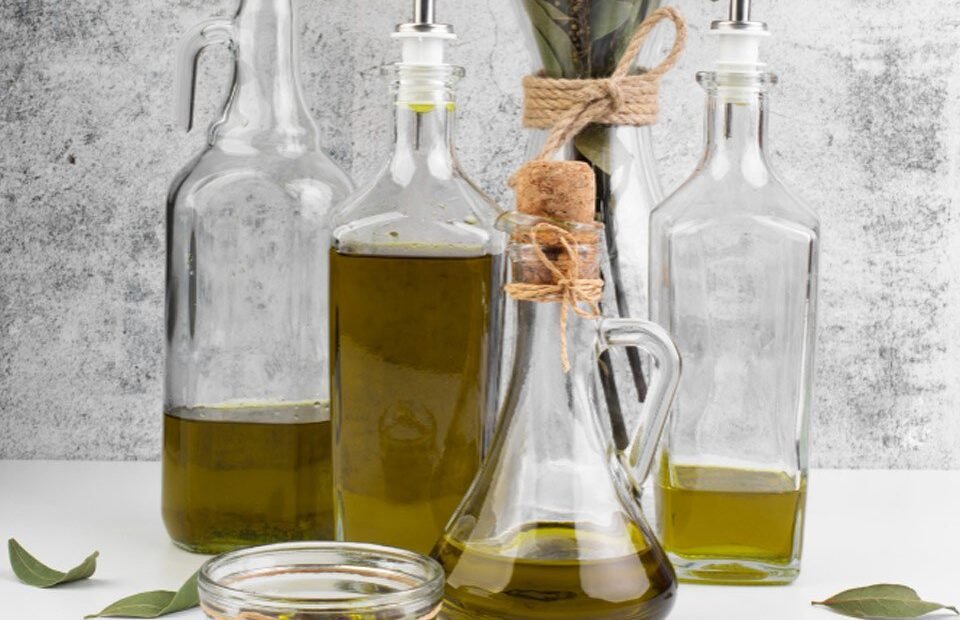
Stand in any supermarket oil aisle and you’ll feel the decision fatigue fast. There are dozens of bottles promising heart health, high heat tolerance, and clean flavor, and they can’t all be the best choice. I’ve spent years cooking with most of them, and here’s what I’ve learned: the healthiest cooking oil for everyday use isn’t one single bottle. It’s the right oil for the right job, and most home cooks only need two.
Nutrition researchers keep coming back to the same finding. Oils rich in monounsaturated fats — think olive and avocado — are linked to better heart-health markers than oils heavy in saturated fat. That doesn’t mean the rest are poison. It means a little label literacy goes a long way, and it can save you money too, since the priciest bottle is rarely the smartest everyday pick.
What Makes the Healthiest Cooking Oil for Everyday Use?
Three things decide whether an oil deserves a permanent spot next to your stove. First is the fat profile. Monounsaturated fats (abundant in olive and avocado oil) and polyunsaturated fats (in canola, soybean, and sunflower) are the ones cardiologists generally prefer over saturated fats like those in coconut oil and butter. Second is the smoke point — the temperature where an oil starts breaking down and smoking. An oil pushed past its smoke point tastes bitter and produces compounds you don’t want in your food. Third is processing. Cold-pressed and expeller-pressed oils keep more of their natural antioxidants and flavor, while heavily refined oils are neutral but stripped of character.
Extra-virgin olive oil wins on the evidence more than any other oil. Large studies of Mediterranean-style eating patterns, where olive oil is the main fat, consistently link it to healthier cholesterol numbers and lower rates of heart disease. It’s not magic — it’s just a well-studied, minimally processed oil with a favorable fat profile. For most everyday cooking like sautéing vegetables, scrambling eggs, or making salad dressing, it’s my default answer.
Smoke Point Matters More Than Most People Think
Here’s where a lot of home cooks go wrong: they buy one expensive extra-virgin olive oil and use it for everything, including ripping-hot searing. Olive oil’s smoke point sits around 375°F, which is fine for medium-heat cooking but not for searing a steak or stir-frying at full blast. For high-heat work, avocado oil (smoke point around 500°F for refined) or peanut oil (about 450°F) are better tools. Canola oil lands in the middle near 400°F and costs a fraction of avocado oil, which is why so many restaurant kitchens rely on it.
The practical move is a two-oil system. Keep a decent extra-virgin olive oil for dressings, drizzling, and medium-heat cooking, and a neutral high-heat oil like avocado or canola for searing and frying. You’ll cook better food, waste less money on ruined olive oil, and stop setting off your smoke alarm.
Reference: Harvard’s Nutrition Source on dietary fats.
Reference: Mayo Clinic’s guide to healthy cooking oils.
The Best Everyday Cooking Oils, Ranked
If I had to rank the bottles worth your shelf space, based on nutrition research, versatility, and price, this is the order I’d put them in:
- Extra-virgin olive oil — the best-studied choice for everyday medium-heat cooking and dressings. Look for a harvest date on the label and a peppery bite, which signals fresh polyphenols.
- Avocado oil — mild, buttery, and the best high-heat option with a smoke point near 500°F. Pricey, so I save it for searing and roasting rather than deep frying.
- Canola oil — the budget workhorse. Neutral flavor, decent fat profile, and a 400°F smoke point that handles most weeknight cooking for a few dollars a bottle.
- Peanut oil — a fryer favorite with a high smoke point and clean taste. Note the allergy concern if you’re cooking for guests.
- Toasted sesame oil — not a cooking oil at all, but a finishing oil. A teaspoon at the end adds enormous flavor to stir-fries and noodle dishes.
- Coconut oil — fine for specific recipes (curries, some baking), but high in saturated fat, so I treat it as a specialty item rather than a daily driver.
- Flaxseed oil — rich in omega-3s but with a very low smoke point. Keep it in the fridge and use it only in dressings or smoothies.
How I Actually Stock My Own Kitchen
Here’s my honest setup, refined over a decade of home cooking. One mid-priced extra-virgin olive oil in a dark bottle (light degrades oil fast), stored in a cabinet away from the stove. One bottle of avocado or canola oil for high-heat cooking. One tiny bottle of toasted sesame oil for finishing. That’s it — three bottles covering everything from salad dressing to stir-fry. Total cost per year is less than most people spend on a single fancy bottle they use wrong.
Two storage rules matter more than brand. Buy smaller bottles you’ll finish within a couple of months, because oil goes rancid. And never store oil right next to the stove, where heat cycles break it down faster. A cool, dark cabinet keeps every oil fresher longer, and you’ll taste the difference.
Quick Answers to Common Questions
Can I use extra-virgin olive oil for high-heat cooking?
You can, but it’s not ideal. Extra-virgin olive oil’s smoke point (around 375°F) handles sautéing and roasting fine, but ripping-hot searing will make it smoke and taste bitter. Save the good olive oil for medium heat and dressings, and keep an avocado or canola oil on hand for the screaming-hot jobs. Your olive oil budget will thank you.
Is coconut oil actually unhealthy?
Coconut oil is about 90% saturated fat — higher than butter. That doesn’t make it poison, but it does mean it shouldn’t be your everyday cooking oil if heart health matters to you. Use it where its flavor earns its place (curries, some baking, Thai dishes) and lean on olive or avocado oil for daily cooking. Context and quantity matter more than any single ingredient’s reputation.
How should I store cooking oil to keep it fresh?
Keep oil in a cool, dark cabinet away from the stove — heat and light are the enemies. Buy bottles you’ll finish within two to three months, since oil goes rancid once opened. Dark glass bottles protect better than clear plastic. If your oil smells waxy, crayon-like, or just ‘off,’ it’s rancid — toss it. Fresh oil should smell clean and taste like its source.
More from Daily USA Post
- Keep reading: how do I meal plan for a family of five on $150 a week
- Related: what are the best snacks to bring on a road trip
- how can I make restaurant-quality guacamole at home, explained in detail
So what is the healthiest cooking oil for everyday use? For most people, most days, it’s extra-virgin olive oil — backed by the strongest research, versatile enough for dressings and sautéing, and reasonably priced if you skip the luxury labels. Pair it with an affordable high-heat oil like canola or avocado for searing, store both away from heat and light, and you’ve got a two-bottle system that covers nearly everything you’ll ever cook.




1 Comment