A tire store can make winter tires sound sensible anywhere. The pitch writes itself: cold mornings, slick roads, safety for your family. In Florida the pitch runs into a calendar problem. A driver in Tallahassee or Pensacola gets roughly 20 to 40 genuinely cold mornings a year. The other 335 days bring heat, sun, and hard rain. So the honest question is not whether winter tires work. They do, in winter. The question is whether a few dozen cold mornings justify a full year of compromise, and whether the money would protect you more somewhere else.
The Case for Winter Tires, Stated Fairly
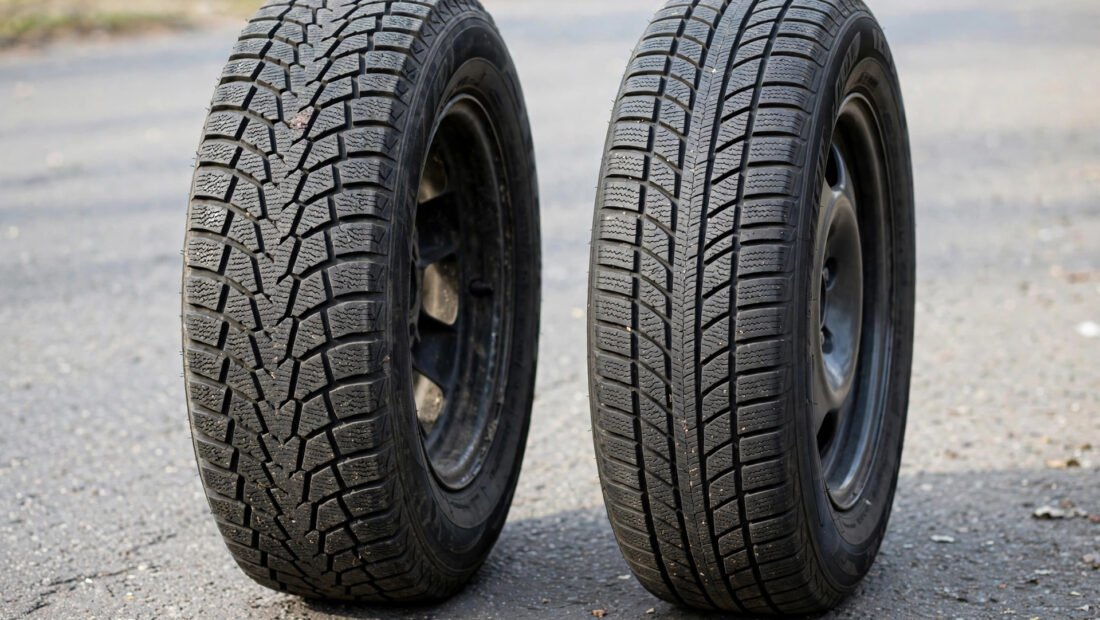
Winter tires earn their reputation honestly. Their rubber compound is built to stay soft and pliable below about 45 degrees, the range where ordinary tires start to stiffen. A tire that can flex can grip. Their tread carries dense cuts and patterns shaped to bite into snow and clear slush, and on ice they stop and turn with a control that no all-season tire can match. In a place with months of snow, that difference is not a luxury. It is the difference between a normal drive and a frightening one.
There is also a cold point that surprises people. Winter tires are not only about snow. Even on dry pavement, a stiffened all-season tire at 35 degrees grips less than it does at 70 degrees. Compound matters, not just tread. Anyone who has driven a proper winter setup through a northern January knows the change is real the first time the car stops straight and calm on a road that looks like glass.
The Case Against Winter Tires in Florida
Florida weather reverses every part of that bargain. The same soft compound that stays pliable in the cold wears fast in heat and feels vague and mushy above about 60 degrees. Steering response softens. Braking distances grow. Tread that might last years in a cold state can be spent quickly on hot pavement. Miami’s January highs average above 70 degrees. Orlando sits in the mid-60s in January. Most of the state never gives a winter tire a winter to work in.
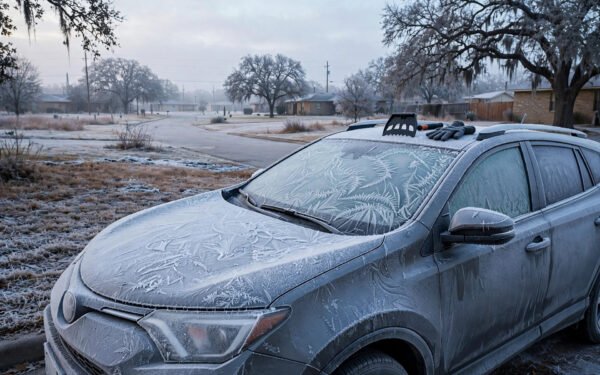
Then there is the simple count. Even in the Panhandle, cold mornings are events, not a season. Daytime highs usually climb back into the 50s and 60s, so the tire spends most of each cold day outside the range it was built for. A driver pays winter-tire prices, accepts winter-tire wear, and handles winter-tire softness for eleven months to gain an edge on a handful of mornings when careful driving on good all-seasons already handles the conditions Florida actually produces: cold, sometimes frost, and very rarely ice.
The Case for All-Season Tires
All-season tires are the compromise most Florida cars already wear, and for this state the compromise points the right way. A good set grips well in heat, sheds water through wide grooves, and stays composed through the daily downpours that are Florida’s real driving hazard. On the Panhandle’s coldest mornings, a sound all-season tire with healthy tread performs adequately. It stiffens somewhat below 45 degrees, as any honest account should admit, but Florida freezes are short, roads are rarely snow-covered, and traffic slows for the few icy patches that form on bridges.
Cost and simplicity add to the case. One set, one mounting, no second set of wheels in the garage, no twice-a-year swap, no storage problem in a state where many homes have little spare space. The money that stays in your pocket can go toward replacing the all-seasons on time instead of stretching a worn set for one more rainy season. Drivers planning long drives across the region, including routes like the seven best road trip routes in the American Southwest, need exactly that kind of dependable, heat-ready tire far more than they need snow grip.
The Honest Limits of All-Seasons
All-season does not mean all conditions, and Florida drivers should hold two limits in mind. The first is cold grip. Adequate is the right word for a Panhandle freeze, not excellent. On a rare morning with ice on a bridge deck, an all-season tire asks for slow speeds, long following distance, and gentle inputs. The second limit is wear and age, which Florida punishes hard. Heat, sun, and ozone age rubber from the outside in. A tire can carry legal tread and still be old, hard, and cracked enough to grip poorly in rain.
That is why condition checks matter more here than tire category. Read the DOT date code on the sidewall: the last four digits give the week and year the tire was made. Tires past about six years should be replaced even if tread remains, because Florida ultraviolet light cooks the rubber whether the car is driven or parked. Check tread depth as well and treat 4/32 of an inch as the replacement line for wet safety, well above the 2/32 legal minimum. A fresh all-season beats a worn tire of any type on a flooded Florida road, every time.
The Middle Option: All-Weather Tires
Between the two camps sits a category worth naming clearly. All-weather tires carry the three-peak mountain snowflake symbol, which means they meet a set cold-weather traction standard, yet they are built to run all year, including in heat. For a North Florida driver who leaves before dawn in January, commutes on rural roads, or simply wants extra margin on cold mornings without owning two sets, this is the thoughtful premium choice.
The trade is modest and should be stated plainly. In sustained heat, an all-weather tire’s softer blend tends to wear a bit faster than a pure all-season tire, on the order of 10 to 15 percent shorter tread life. Prices also run higher. South of Orlando, that trade buys almost nothing, because the cold mornings barely arrive. In the Panhandle, for the right driver, the trade can be fair. Geography, not marketing, should make this call. Current safety guidance and recall information for any tire under consideration is available through the National Weather Service’s winter weather and travel safety resources alongside official tire rating sources, which together give a fuller picture than a sales pitch alone.
The Money, Counted Straight
A dedicated winter setup is not just four tires. Mounting winter tires on their own wheels, which is the only practical way to swap them each season, puts the full cost at roughly $800 to $1,500. In Florida that money buys worse handling and faster wear for most of the year. Compare what the same money does in the all-season column: a quality set bought on time, kept inflated, and replaced at safe tread depth. Wet braking is where Florida crashes are decided, in afternoon storms and standing water, and that is where fresh tread pays.
Storage and swap costs add quiet weight to the winter side. Each changeover takes time or a shop fee. The off-season set needs a cool, dry place out of the sun, which is the opposite of a hot Florida garage corner. None of these costs is large alone. Together they buy a benefit the state’s climate almost never asks for.
The One Exception That Actually Matters
There is one Florida combination that deserves a sharp warning, and it is not about all-seasons at all. Summer tires, the sticky high-performance rubber fitted to many sports cars, harden badly below about 45 degrees. Drivers describe the result as like rolling on hockey pucks, and the comparison is fair: grip falls away even on dry roads. A Panhandle sports car on summer tires meeting a hard freeze is a genuinely dangerous pairing.
The fix for that driver is still not a winter set. It is a move to all-season or all-weather tires as the year-round tire, giving up a slice of peak summer grip in exchange for safe behavior across every temperature Florida delivers. Snowbirds who split the year between Florida and a northern state are the other narrow case. For them, two proper sets kept in two places, or a single all-weather set, makes sense. A single trip to the mountains does not justify buying winters. Renting a suitable vehicle at the destination is cheaper and safer.
What Florida Rubber Really Has to Survive
Strip the winter debate away and Florida asks three things of a tire. First, wet grip, every week of the year, in rain heavy enough to pool on highways. Second, heat resistance, on pavement that bakes through long summers and punishes soft compounds and low pressure alike. Third, age discipline, because sun and heat retire tires here before tread does. Monthly pressure checks, a tread check with a quarter, and a date-code check twice a year cover most of what keeps a Florida driver safe.
The Verdict for Florida
From Tallahassee to Pensacola, and everywhere south of there, the verdict lands the same way: buy quality all-season tires, or all-weather tires if you want the extra cold-morning margin and accept the shorter tread life, and keep the rest of the money. Winter tires enter the conversation only if your life changes: a move north, a season of mountain driving, or months spent where snow is normal. Until then, they solve a problem Florida does not have, at a cost Florida drivers pay all year. Spend on tread depth, tire quality, correct pressure, and timely replacement instead. That is the purchase that matches the roads you actually drive.