
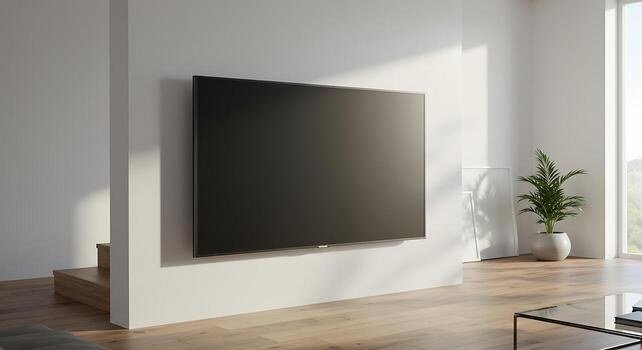
The TV is on the counter, the receipt is printing, and the salesperson asks the question they ask everyone: “Want to add the protection plan? Three years, just $199 — total peace of mind.” You have about ten seconds to decide, no information, and a feeling that saying no is somehow reckless. It usually isn’t. For most TVs, the extended warranty is a bad bet dressed up as a safe one — but there are specific situations where the math genuinely flips, and it is worth knowing which side of the line your purchase sits on before the receipt finishes printing.
What You Are Actually Buying
An extended warranty (stores also call it a protection plan or service contract) pays for repairs if the TV breaks after the manufacturer’s warranty ends — usually after year one. Note what it is not: it is not insurance against your own clumsiness unless the plan specifically includes accidental damage, and most base plans do not. A cracked screen from a thrown game controller is the single most common TV disaster in family homes, and a standard extended warranty typically will not cover it.
Also note the timing trick. A “three-year plan” bought at the register usually runs from the purchase date, not from the end of the manufacturer’s warranty — so year one overlaps coverage you already had for free, and you are really buying two extra years. The extended warranty model works this way across most product categories, and it is the first reason the value is thinner than the pitch suggests.
What the Plan Usually Leaves Out
The exclusion list is where protection plans earn their reputation, so it deserves a slow read before you sign — ask for it in writing at the register and they will usually produce a brochure or a link. Common exclusions and fine print on TV plans include:
- Accidental damage is excluded unless you bought the specific tier that includes it — and that tier costs meaningfully more than the base plan being pitched.
- Dead pixels and image retention are often covered only above a threshold (a certain number of dead pixels, in a certain area) or excluded entirely; on OLED sets, burn-in cover varies by brand and plan, so do not assume it.
- “Comparable model” replacement: if the TV cannot be repaired, many contracts let the company replace it with a model they judge comparable — which may be a cheaper current model, or pay out the TV’s depreciated value rather than what you paid.
- Diagnosis and shipping friction: on very large TVs, some plans cover in-home diagnosis; others expect you to get an 85-inch screen to a service center, which is neither free nor simple.
None of this makes a plan a scam. It makes it a contract — and contracts reward the person who reads them before the ten-second decision at the register, not after the TV is already home.
The Math, Done Honestly
Modern TVs are reliable. Reliability data consistently shows that only about 2 to 4 percent of TVs develop a problem in their first four years — the years an extended warranty covers. Meanwhile, a three-year plan on a mid-range TV typically costs $100 to $250, and plans for premium sets of 75 inches and up can reach $300 or more.
Put those together on a typical purchase. A $600 TV with a $200 plan means paying $200 to protect against a risk of roughly 3 percent — and even if the TV does fail, many repairs cost less than the plan did. Retailers sell these plans enthusiastically for a simple reason: at those odds, the plan is one of the highest-margin items in the store. You are not imagining the pressure at the register. It is the profit center.
The Case For It (The Pros)
- One repair can dwarf the plan price on a big set. On an 85-inch OLED bought for $2,500, a single panel or main-board repair can run $800 or more, and hauling a screen that size to a shop is its own adventure. At that scale the math starts to make sense.
- Accident-prone rooms are real. A TV in a playroom, a rental property, a dorm, or above a bar where things get thrown lives a riskier life than the failure statistics assume — if the plan covers accidental damage.
- Manufacturer plans come with perks. Plans sold by the TV maker itself often include in-home service, genuine parts, and technicians who know the model — a different product from a third-party contract.
- Peace of mind is a legitimate purchase. If a surprise $500 repair would genuinely strain your budget, paying a known $200 to remove the risk is a defensible choice, as long as you know you are buying calm, not value.
The Case Against (The Cons)
- The odds are heavily against you. With failure rates of 2–4 percent, roughly 96 buyers in 100 pay for repairs that never happen.
- You may already own a free extension. Many credit cards add a year of warranty to purchases made with the card. That quietly covers the riskiest early period beyond the manufacturer’s year — for nothing. Check your card’s benefits before paying anyone. Consumer Reports makes the same point in its buying advice and publishes the reliability data behind it.
- Third-party plans can be claims machines. Choosing a third-party warranty company with a track record of denied claims to save $30 is the classic trap — the plan is only worth what the company pays out, and cheap contracts often exclude the exact failures TVs actually have.
- The money usually works harder elsewhere. The $150–$250 you did not spend is a real head start on the next TV, which — given how prices fall — will be bigger and better than a repaired old one.
Where the Answer Flips
Three situations move a plan from “skip” to “seriously consider.” First, the TV costs over $1,500: repairs scale with price, and the plan’s fixed cost becomes a smaller, saner fraction of the risk. Second, the location is hazardous and the plan explicitly covers accidental damage from handling — read that clause, because it is the whole ballgame. Third, the plan is manufacturer-backed with in-home service on a screen too large to transport. Outside those three, the default answer holds.
One more thing to do in the store: ask whether the plan can be bought later. Many manufacturers and retailers let you add coverage within 30 days or even within the first year. That turns a ten-second pressured decision into a calm one you can make at home with the credit-card benefits page open.
What Filing a Claim Actually Looks Like
People imagine a claim as a quick phone call and a new TV. In practice it usually goes: you call, a technician visit is scheduled (days to a couple of weeks out), the set is diagnosed, parts are ordered if it is repairable, and a second visit completes the repair. If it is not repairable, the contract’s replacement or buyout clause kicks in — at their valuation, not yours. The whole process commonly takes two to four weeks without a television. That does not make the plan worthless, but it does mean the plan buys you a repair process, not instant peace of mind, and households that would simply buy a replacement TV on day two should price the plan accordingly.
There is also a cheaper way to buy the same calm: be your own warranty company. Take the $200 the plan would have cost and put it in a savings pocket labeled “TV.” Add the money you skip on every other appliance plan through the year. Statistically, across a house full of electronics, that fund wins — most products never claim, and the few that do are paid for out of a pot that kept the change on all the others. It demands a little discipline, but it is the strategy consumer advocates recommend most, because it uses the exact same math the warranty companies use, except the house edge is yours.
The Verdict
For TVs under $1,000 — which is most TVs, in most living rooms, in most years — skip the extended warranty. The failure odds do not justify $100–$250, and between the manufacturer’s year and a credit card’s free extension year, you are covered for the period when defects actually show up. Put the saved money in a “next TV” envelope and let it sit there. For premium sets over $1,500, hazardous rooms with genuine accidental-damage coverage, or a manufacturer plan with in-home service on a giant screen, buying the plan is reasonable — peace of mind at a fair price. And whichever way you go, decide at home when you can, not at the register. While you are setting the new TV up, it is worth knowing it works perfectly well with no internet connection at all — our guide to using a smart TV without internet covers antennas, USB movies, and what you actually lose.



1 Comment