
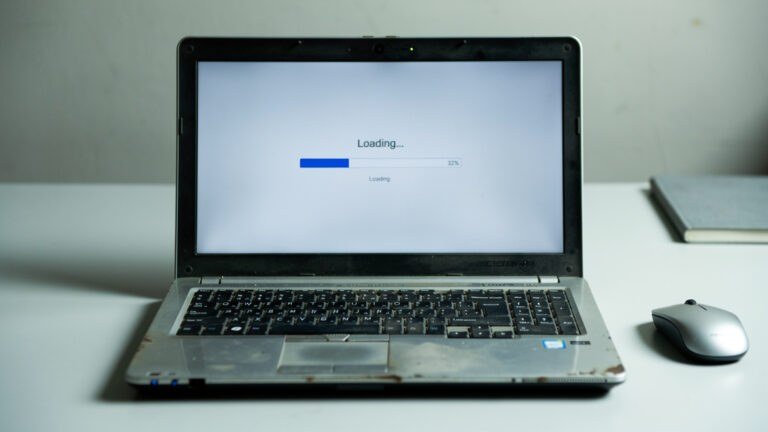
How can I speed up an old Windows laptop without buying new hardware? It’s a fair question, and the honest answer is: it depends — but not in the annoying way. It depends on a handful of specific factors, and once you know what they are, you can figure out your situation in about five minutes. That’s what this article is for.
I’ve seen too many people overpay, waste a weekend, or pick the wrong option simply because nobody gave them the full picture. So here it is: the full picture, written like I’d explain it to a friend over coffee.
How Can I Speed Up an Old Windows Laptop Without Buying New Hardware: What You Need to Know
That five-year-old Windows laptop gathering dust doesn’t have to stay slow. Before you spend a dime on new hardware — or worse, on a whole new laptop — there are free software fixes that can genuinely make it feel years younger. I’ve revived dozens of sluggish machines with exactly these steps, and the difference is often dramatic.
Start with the biggest silent killer: startup programs. Every app that launches at boot steals a slice of your boot time and memory forever after. Open Task Manager (Ctrl+Shift+Esc), go to the Startup apps tab, and disable everything you don’t need immediately — chat apps, updaters, game launchers. This alone can cut boot time in half on a neglected machine. Worth reading next: What Should I do if I Spill Water on my Laptop.
What Actually Affects the Outcome
Next, uninstall the bloat. Old laptops accumulate years of forgotten programs, trial software, and manufacturer junk. Go to Settings, then Apps, sort by size, and remove anything you don’t recognize or use. Be a little careful with entries from your laptop’s manufacturer — but toolbars, expired antivirus trials, and games you installed in 2021 can all go. For the official guidance, see Microsoft’s official support documentation.
Then check what’s running right now. In Task Manager’s Processes tab, sort by CPU and Memory to spot resource hogs. A single misbehaving browser tab or a stuck updater can pin your CPU at 100 percent. Chrome users: check how many extensions are active, because each one is a little program running constantly. Fewer extensions, faster laptop — it’s that simple.
Practical Steps That Work
- Disable unnecessary startup apps in Task Manager — often cuts boot time in half.
- Uninstall bloatware and forgotten programs; sort by size to find the worst offenders.
- Keep the drive under 85% full so Windows can manage virtual memory.
- Run a full Windows Security scan — malware is a classic mystery-slowdown cause.
- Set visual effects to ‘best performance’ to reduce strain on old graphics.
- Nuclear options: Reset this PC (keep files), or try lightweight Linux Mint.
Here’s What Really Matters
Storage health matters more than people think. If your drive is over 85 percent full, Windows can’t manage virtual memory properly and everything slows down. Run Disk Cleanup to clear temporary files, empty the Recycle Bin, and move big media files to an external drive or cloud storage. Also run a malware scan with Windows Security — infections are a classic cause of mystery slowdowns.
Now the power move: adjust Windows’ visual effects. Search for Adjust the appearance and performance of Windows, and choose Adjust for best performance. It disables animations and transparency effects that tax old graphics chips. Your laptop will look a bit more plain, but it’ll feel noticeably snappier — a trade most people happily make. If that sounds familiar, you may also want our guide to Is it Better to Buy a Refurbished Laptop or a Cheap New One.
If you’ve done all of that and it’s still sluggish, consider the nuclear option: a fresh Windows install via Reset this PC. Choose the cloud-download option and keep your files, and you’ll strip away years of accumulated cruft in about an hour. Back up first, obviously — but a clean install is the closest thing to a time machine for an old laptop.
Where People Go Wrong
- Installing ‘PC optimizer’ or ‘speed booster’ software — most are scams or barely-functional junk that makes things worse.
- Disabling Windows Update to save resources; unpatched systems get slower and dangerously insecure.
- Assuming the laptop is dead when it’s just a full drive or a single runaway process.
- Paying for more RAM installation labor on a machine where a free clean install would have fixed it.
Questions People Ask
How much faster will these steps actually make it?
Typically boot times drop 30–60% and everyday responsiveness improves noticeably. It won’t match a new machine, but the difference between ‘unusable’ and ‘perfectly fine for email and browsing’ is common.
Is it safe to disable startup programs?
Yes — disabling only stops them launching at boot; you can still open them manually. Don’t disable your antivirus or hardware drivers, but chat apps and updaters are fair game.
Will resetting Windows delete my files?
The ‘Keep my files’ option preserves your personal files but removes apps and settings. Back up anything irreplaceable first anyway — resets occasionally go sideways.
How often should I restart my phone and computer?
A weekly restart is a good habit for both phones and computers. It clears temporary memory glitches, finishes pending updates, and kills runaway background processes that drain battery and slow things down. You don’t need to power off nightly — modern devices handle standby well — but if something starts acting strangely, a restart is always the first troubleshooting step worth trying.
Is it safe to buy refurbished electronics?
Yes, when you buy from reputable sources. Manufacturer-refurbished programs (Apple, Dell, Samsung) include new batteries or thorough testing plus a full one-year warranty — often indistinguishable from new. Third-party refurbishers like Back Market add their own warranties. Avoid no-name sellers with 30-day warranties and no return policy; the seller matters more than the ‘refurbished’ label.
The Bottom Line
Work through the list in order — startup cleanup, bloat removal, disk space, malware scan, visual effects — and most old laptops feel dramatically faster without spending anything. If software fixes aren’t enough, a clean Windows install or lightweight Linux gives aging hardware a genuine second life.
You can also check Consumer Reports’ buying advice for the authoritative details.
Related: our breakdown of Can I Use an Old Phone as a Baby Monitor covers the numbers in detail.
Bottom line: a little homework now saves you money and stress later. Use the steps above, skip the common mistakes, and you’ll come out ahead of most people dealing with this.




1 Comment