
Here’s the thing about can I use a smart TV without an internet connection — the internet is full of answers, but half of them contradict each other and the other half are ads in disguise. I dug through the noise so you don’t have to, and pulled together what actually holds up: real expectations, realistic costs and timelines, and advice that works in the real world.
By the end of this guide you’ll know exactly what you’re dealing with, what your options are, and which one makes sense for your situation. Let’s get into it.
Can I Use a Smart Tv Without an Internet Connection: What You Need to Know
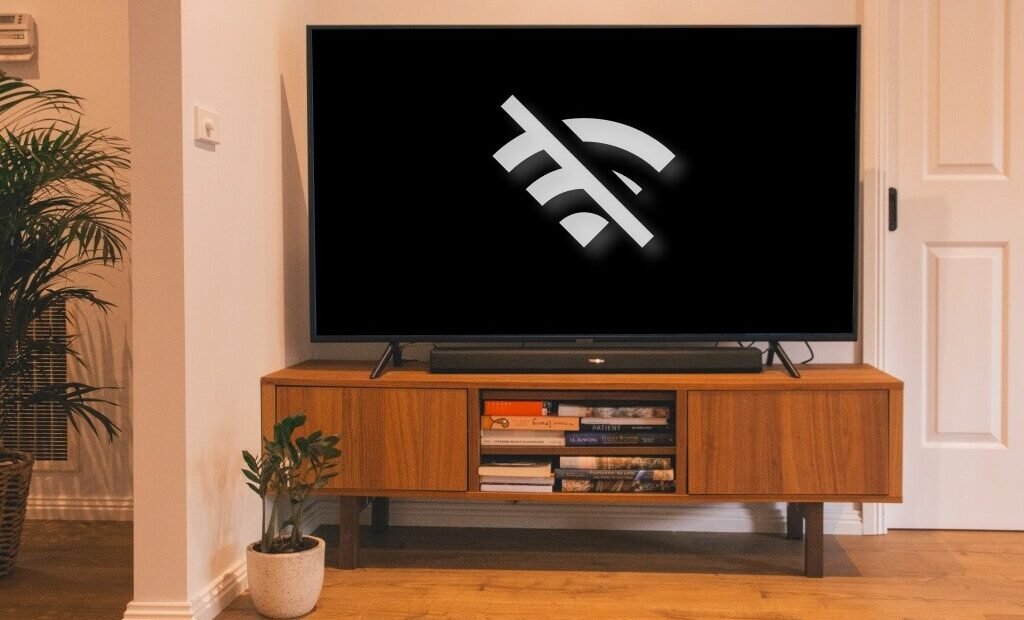
Yes, you can absolutely use a smart TV without an internet connection — it just becomes a regular TV, which is honestly fine for a lot of people. The screen, speakers, HDMI ports, and built-in tuner all work perfectly offline. What you lose is anything with ‘smart’ in the name: Netflix, YouTube, app updates, and voice assistants. Let’s break down exactly what works.
The best offline feature is the one people forget: the over-the-air tuner. Plug in a $25–$40 indoor antenna and your smart TV receives free local broadcast channels — ABC, CBS, NBC, Fox, PBS, and more — in full HD. In most US metro areas that’s 30 to 80+ channels, completely free, no internet required. For many cord-cutters, antenna TV plus a few other sources is genuinely enough. Worth reading next: Why Does my Printer Keep Saying it is Offline.
Looking Closer at Your Options
HDMI ports are your second lifeline. A Blu-ray player, game console, or cable box works exactly as it always has — no internet needed for discs or local gameplay. You can also plug in a laptop via HDMI and play downloaded movies or give presentations. The TV is just a big dumb display in this mode, and big dumb displays are wonderfully reliable. For the official guidance, see the FCC’s consumer guides.
USB ports open a third option: most smart TVs play video, music, and photos directly from a flash drive. Load up a $15 USB stick with movies (MP4 format is the safest bet) and you’ve got an offline media library. Some TVs are picky about file formats, so if a file won’t play, re-encode it as H.264 MP4 — the universal format virtually every TV accepts.
Practical Steps That Work
- Works offline: over-the-air antenna channels, HDMI devices, USB media playback, screen as a monitor.
- Doesn’t work: Netflix/YouTube/apps, software updates, voice assistants, cloud features.
- A $25–$40 indoor antenna gets 30–80+ free HD channels in most US cities.
- USB-C/Lightning to HDMI adapters ($15–$25) mirror downloaded phone content with no internet.
- Use H.264 MP4 files for maximum USB compatibility across TV brands.
- Download firmware updates via USB before going permanently offline.
Here’s What Really Matters
Screen mirroring from your phone is the tricky one. Chromecast-style casting needs Wi-Fi, but many phones support wired connections — USB-C to HDMI adapters ($15–$25) mirror your phone screen to the TV with zero internet involved. Downloaded Netflix shows on your phone play just fine through the cable, which is a neat workaround for offline movie nights.
What definitely won’t work: streaming apps, software updates, cloud DVR, voice control, and any ‘smart’ home integration. Also note that some TVs nag you about connecting during setup — you can usually skip network setup entirely, though a few models make you work for it. Check reviews for your specific model if setup-without-internet matters to you. Worth reading next: What Happens if I Never Update my Phone Software.
One practical tip: if the TV will be offline long-term, download any firmware updates via USB from the manufacturer’s website first, while you still have internet access somewhere. An updated TV handles USB media and HDMI devices more reliably, and you won’t get another chance easily.
Common Mistakes to Avoid
- Assuming ‘smart TV’ means ‘useless without internet’ — the tuner and HDMI ports don’t care about Wi-Fi.
- Buying an expensive outdoor antenna when a $30 indoor one covers most metro areas.
- Loading USB drives with exotic video formats the TV can’t decode; stick to MP4.
- Skipping the initial firmware update, then wondering why USB playback is glitchy a year later.
Questions People Ask
Can I set up a smart TV without connecting to Wi-Fi?
Usually yes — most brands let you skip network setup, though some bury the skip option. A few budget models are pushy about it, so check your model’s reviews if this matters.
Will my streaming stick work without internet?
No — Roku, Fire Stick, and Chromecast are internet-dependent by design. For offline viewing, use antenna, discs, USB drives, or wired phone mirroring instead.
Do I still get local channels in HD?
Yes — over-the-air broadcasts in the US are free HD (many in 1080i or 720p). An antenna often delivers better picture quality than compressed cable for local channels.
How often should I restart my phone and computer?
A weekly restart is a good habit for both phones and computers. It clears temporary memory glitches, finishes pending updates, and kills runaway background processes that drain battery and slow things down. You don’t need to power off nightly — modern devices handle standby well — but if something starts acting strangely, a restart is always the first troubleshooting step worth trying.
Is it safe to buy refurbished electronics?
Yes, when you buy from reputable sources. Manufacturer-refurbished programs (Apple, Dell, Samsung) include new batteries or thorough testing plus a full one-year warranty — often indistinguishable from new. Third-party refurbishers like Back Market add their own warranties. Avoid no-name sellers with 30-day warranties and no return policy; the seller matters more than the ‘refurbished’ label.
Should I leave my laptop plugged in all the time?
Occasionally is fine, but constant 100% charging accelerates battery wear over years. Most modern laptops have a battery-health setting that caps charging at 80% when plugged in long-term — turn it on if you dock daily. If yours doesn’t, simply unplugging once or twice a week and letting it dip to 40–60% before recharging meaningfully extends battery lifespan.
The Bottom Line
A smart TV without internet is simply a very good regular TV: antenna channels, HDMI devices, and USB media all work great. You lose streaming apps and smart features, but with a $30 antenna and a USB stick of movies, plenty of households won’t miss them at all.
For the official guidance, see Consumer Reports’ buying advice.
Related: our breakdown of How Can I Improve my Cell Phone Signal at Home covers the numbers in detail.
The takeaway is simple — know your options before you’re forced to pick one under pressure. Bookmark this guide, follow the action plan, and you’ll handle it like a pro.




1 Comment