
Sooner or later, most of us end up asking: how much does it cost to recover data from a damaged hard drive? I asked the same thing not long ago, and the answers I found online were either vague or trying to sell me something. This guide is the opposite of that — straight talk, real numbers where they exist, and practical advice you can actually use today.
Whether you’re dealing with this right now or just planning ahead, it helps to know what’s normal, what’s overpriced, and what’s a flat-out bad idea. I’ve broken it all down below in plain English, no jargon and no fluff.
How Much Does it Cost to Recover Data From a Damaged Hard Drive: What You Need to Know
A dead hard drive holding years of photos or critical work documents is a special kind of panic — and the first question everyone asks is what recovery costs. The honest answer: professional data recovery runs from about $300 for simple logical failures to $1,000–$2,000+ for physically damaged drives needing cleanroom work. The price depends entirely on what’s wrong with the drive, which is why reputable labs diagnose before quoting.
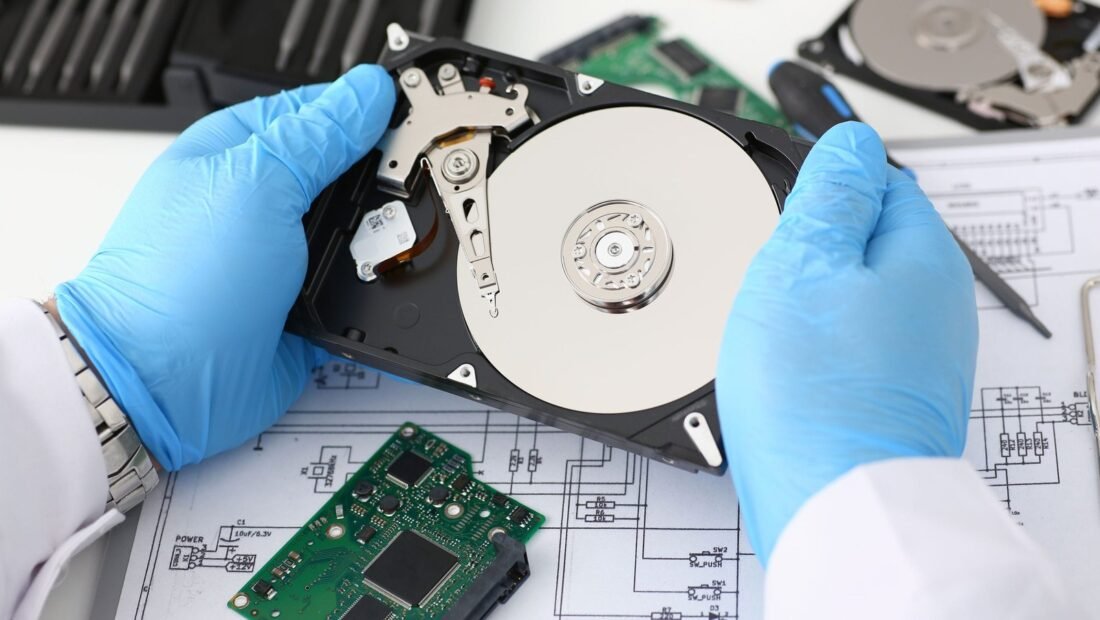
There are two broad categories of failure. Logical failures — deleted files, corrupted partitions, formatted drives — don’t involve broken hardware, and recovery software or a lab can often fix them for $100 to $400. Physical failures — clicking or grinding noises, a drive dropped on the floor, water damage — mean the drive must be opened in a dust-free cleanroom and parts transplanted from a donor drive. That specialized labor is what pushes costs past $1,000. For more on this topic, see How do I Block Spam Calls on my Iphone — it pairs well with what you just read.
Looking Closer at Your Options
The big names in the industry — DriveSavers, Ontrack, Secure Data Recovery — all offer free or cheap evaluations: you ship the drive, they diagnose it, then quote a firm price with a no-data-no-fee guarantee. That guarantee matters enormously. Never pay a lab that charges full price regardless of outcome; the reputable ones only charge if they actually recover your files. For the official guidance, see Consumer Reports’ buying advice.
Here’s what surprises people: SSDs are often harder and pricier to recover than old spinning hard drives. When an SSD’s controller chip fails, or TRIM has wiped deleted data, recovery can be extremely difficult — sometimes impossible. And encrypted drives add another layer: without your password or recovery key, even the best lab in the world can’t help you. Back up your BitLocker and FileVault recovery keys somewhere safe, separate from the computer.
What to Do About It
- Logical failure (deleted/corrupt, drive still spins): $100–$400.
- Physical failure (clicking, dropped, water): $700–$2,000+ with cleanroom work.
- Reputable labs (DriveSavers, Ontrack) diagnose free and charge only on success.
- SSDs are harder to recover than HDDs; encryption without your key means no recovery possible.
- Stop using a failing drive immediately — continued use can destroy remaining data.
- DIY software is fine for logical issues only; clicking/grinding means call a pro.
The Part Most People Miss
Before you ship anything, stop using the drive immediately. Every minute a failing drive runs risks further damage — a struggling read head can literally scrape your data off the platters. Don’t run chkdsk repeatedly, don’t freeze the drive (an old myth that mostly causes condensation damage), and don’t open it yourself. Power it down and leave it alone.
For logical failures, DIY software like Disk Drill or R-Studio ($80–$100) is worth trying first — if the drive is still detected by your computer and making normal sounds. But the moment you hear clicking, beeping, or grinding, stop: that’s physical damage, and every DIY attempt reduces the professionals’ chances. Knowing which situation you’re in saves both money and data. Related: our breakdown of How do I Change my Home Wifi Password covers the numbers in detail.
The real lesson, worth more than any recovery quote: set up automatic backups today. A $60 external drive or a $7-a-month cloud plan makes this entire nightmare irrelevant. Data recovery is expensive precisely because it’s a last resort — and about a third of physically damaged drives can’t be fully recovered at any price.
Common Mistakes to Avoid
- Running the failing drive for hours ‘trying things’ — a dying drive destroys itself with use.
- Freezing the drive, an old myth that causes condensation and usually finishes the job.
- Paying a lab without a no-data-no-fee guarantee.
- Opening the drive at home; a single speck of dust on an exposed platter can kill it.
Questions People Ask
Can data be recovered from a drive that won’t spin up?
Often yes — labs transplant the platters or controller board in a cleanroom. It’s the expensive tier ($1,000+), but success rates for non-catastrophic failures are good.
How long does professional recovery take?
Standard service is typically 5–10 business days; expedited 24–48 hour service costs 50–100% more. True emergencies can sometimes be turned around same-day.
Is it worth recovering a 10-year-old drive?
Only you can value the data, but weigh the $300–$1,500 cost against what’s actually on it. Irreplaceable family photos: usually yes. Old downloaded movies: definitely no.
How often should I restart my phone and computer?
A weekly restart is a good habit for both phones and computers. It clears temporary memory glitches, finishes pending updates, and kills runaway background processes that drain battery and slow things down. You don’t need to power off nightly — modern devices handle standby well — but if something starts acting strangely, a restart is always the first troubleshooting step worth trying.
Is it safe to buy refurbished electronics?
Yes, when you buy from reputable sources. Manufacturer-refurbished programs (Apple, Dell, Samsung) include new batteries or thorough testing plus a full one-year warranty — often indistinguishable from new. Third-party refurbishers like Back Market add their own warranties. Avoid no-name sellers with 30-day warranties and no return policy; the seller matters more than the ‘refurbished’ label.
The Bottom Line
Budget $300–$400 for logical failures and $1,000–$2,000+ for physical damage, using a reputable lab with free diagnosis and no-data-no-fee pricing. Stop using the drive the moment it fails. And whatever this scare costs you, let it buy you an automatic backup system so you never pay it again.
Related: our breakdown of What is the Best Tablet for Reading and Light Web Browsing covers the numbers in detail.
If you remember one thing, make it this: don’t rush the decision. The few minutes you spend comparing options here will pay for themselves many times over.




1 Comment