
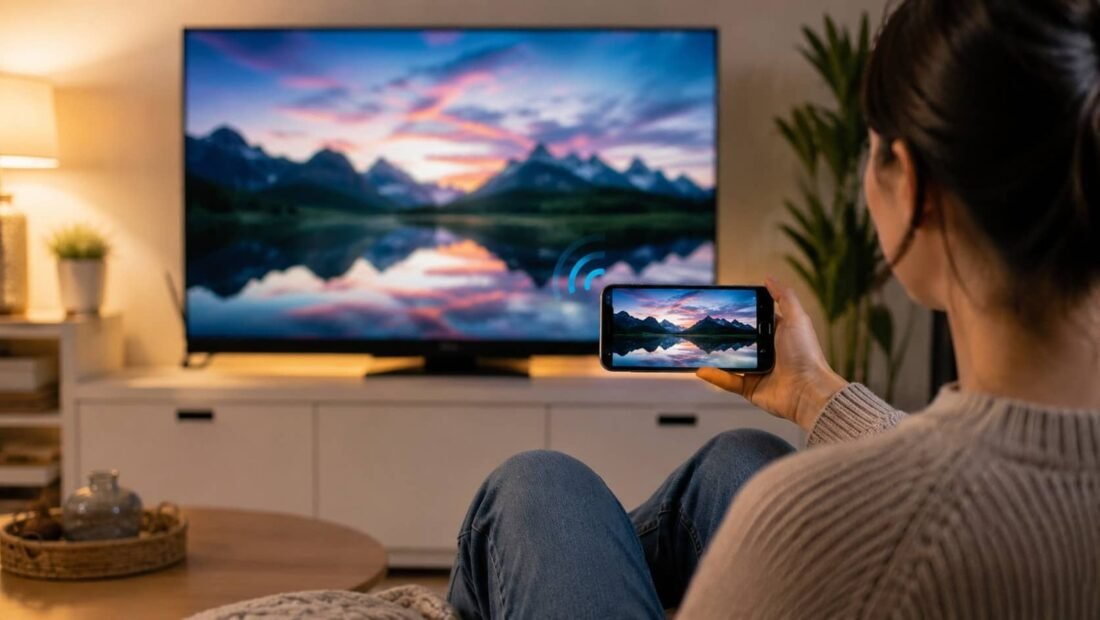
Let’s be honest — how can I mirror my phone screen to my TV isn’t something most people think about until they’re staring at the problem in real life. That’s exactly when bad decisions happen: you’re rushed, you’re stressed, and the first option looks good enough. I’ve put together this guide so you don’t have to learn the hard way.
What follows is the practical stuff: what to expect, what it should cost or take, the steps that actually work, and the pitfalls I see people fall into over and over. Read it once and you’ll handle this like someone who’s done it ten times.
How Can I Mirror my Phone Screen to my Tv: What You Need to Know
Whether you want to show vacation photos on the big screen, watch a downloaded movie, or give a presentation, mirroring your phone to your TV is easier than it’s ever been. The right method depends on your phone and your TV — but there’s always a method that works. Here are all of them, simplest first.
iPhone to Apple TV or AirPlay-compatible smart TV is the smoothest experience in the business. Swipe down from the top-right corner to open Control Center, tap Screen Mirroring, and choose your TV. That’s it — your entire screen appears on the TV with minimal lag. Most smart TVs from Samsung, LG, Sony, and Vizio made since 2019 support AirPlay 2 built in; check your TV’s settings or manual if you’re unsure. Related: our breakdown of What Happens if I Never Update my Phone Software covers the numbers in detail.
Looking Closer at Your Options
For Android phones, Chromecast is the universal answer. If your TV has Chromecast built in (most Android/Google TVs do), open the Google Home app, select your TV, and tap ‘Cast my screen.’ No built-in Chromecast? A $30 Chromecast dongle plugged into any HDMI port adds it to any TV. Casting works over Wi-Fi, so both devices need to be on the same network — that’s the one requirement people trip over. For the official guidance, see Consumer Reports’ buying advice.
Roku owners have it easy too: both iPhone and Android can mirror to Roku devices. On iPhone, use AirPlay — modern Rokus support it. On Android, enable screen mirroring in the Roku’s Settings under System, then cast from your phone’s Smart View or Cast option. Amazon Fire TV Stick supports Miracast-style mirroring for Android phones as well, through the Display Mirroring option.
Smart Moves to Make Now
- iPhone → AirPlay TV/Apple TV: Control Center > Screen Mirroring. Simplest wireless option.
- Android → Chromecast built-in or $30 dongle: Google Home app > Cast my screen.
- Roku: supports AirPlay (iPhone) and screen mirroring (Android) natively.
- Samsung phone → Samsung TV: Smart View in quick settings.
- Wired: USB-C to HDMI ($15–$25) or Apple Lightning adapter ($49) — zero lag, no Wi-Fi needed.
- Both devices must be on the SAME Wi-Fi network — the #1 troubleshooting fix.
Here’s What Really Matters
Samsung phone to Samsung TV is nearly magical: swipe down, tap Smart View, pick your TV. It uses a mix of Miracast and Samsung’s own tech, works over Wi-Fi, and handles both mirroring and casting specific apps. Non-Samsung Android phones can often use the generic Cast or Smart View option in quick settings to reach Miracast-compatible TVs and dongles like the Microsoft Wireless Display Adapter.
The wired method — unfashionable but bulletproof — is an HDMI adapter. USB-C to HDMI adapters ($15–$25) work with most modern Android phones and iPads; iPhones need Apple’s Lightning to HDMI adapter (about $49, and yes, the knockoffs are unreliable). Wired mirroring has zero lag, needs no Wi-Fi, and works with hotel TVs and projectors where wireless methods fail. For presentations and gaming, wired wins. If that sounds familiar, you may also want our guide to How do I Remove a Virus From my Windows Computer.
Troubleshooting quick hits: if the TV doesn’t appear as an option, confirm both devices are on the same Wi-Fi network (not a guest network, not cellular) and restart both. If mirroring connects but stutters, move closer to the router or reduce interference — wireless mirroring is bandwidth-hungry. And if protected content like Netflix shows a black screen while mirroring, that’s DRM doing its job; use the TV’s native Netflix app instead.
Common Mistakes to Avoid
- Casting while the phone is on cellular data and the TV on Wi-Fi — same network is mandatory.
- Buying a cheap Lightning-to-HDMI knockoff; Apple’s authentication chip means fakes usually fail.
- Expecting Netflix to mirror — DRM blocks it; use the TV’s native app for protected content.
- Trying to mirror for gaming over weak Wi-Fi and blaming the phone for the lag.
Questions People Ask
What’s the difference between mirroring and casting?
Mirroring shows your entire phone screen on the TV. Casting (like tapping the Cast icon in YouTube) sends just the video while your phone stays usable separately. Casting is smoother for video.
Does mirroring use mobile data?
Mirroring itself uses Wi-Fi, not data. But whatever you’re displaying — a streamed video, for example — uses data as it normally would.
Why is there a delay when mirroring?
Wireless mirroring encodes video in real time, adding a fraction of a second of lag. Fine for photos and video; noticeable in games — use a wired adapter for gaming.
How often should I restart my phone and computer?
A weekly restart is a good habit for both phones and computers. It clears temporary memory glitches, finishes pending updates, and kills runaway background processes that drain battery and slow things down. You don’t need to power off nightly — modern devices handle standby well — but if something starts acting strangely, a restart is always the first troubleshooting step worth trying.
Is it safe to buy refurbished electronics?
Yes, when you buy from reputable sources. Manufacturer-refurbished programs (Apple, Dell, Samsung) include new batteries or thorough testing plus a full one-year warranty — often indistinguishable from new. Third-party refurbishers like Back Market add their own warranties. Avoid no-name sellers with 30-day warranties and no return policy; the seller matters more than the ‘refurbished’ label.
The Bottom Line
iPhone users: AirPlay via Control Center. Android users: Chromecast via Google Home. Both work with most modern smart TVs, and a $15–$25 wired HDMI adapter covers every other situation with zero lag. Just get both devices on the same Wi-Fi network first.
Worth reading next: How do I Get a Small Business Loan With No Credit History.
The takeaway is simple — know your options before you’re forced to pick one under pressure. Bookmark this guide, follow the action plan, and you’ll handle it like a pro.



