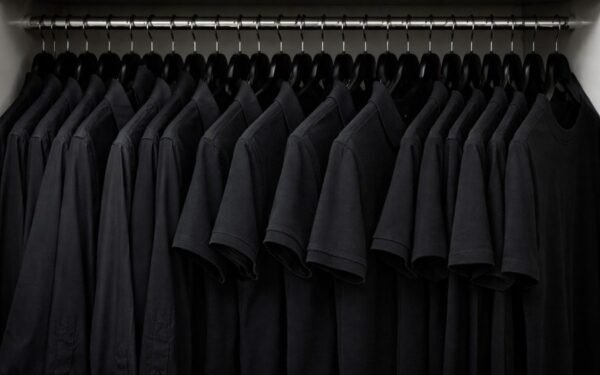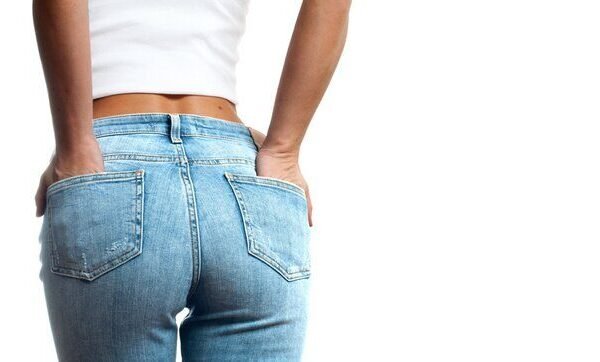
The black jeans that used to be black are now a tired charcoal. The white tee has gone the grey of old dishwater, the blazer hangs a little sadder than it did two winters ago, and payday is still two weeks off. Nothing in the closet is actually worn out — it is just worn-looking. That gap between “old” and “old-looking” is where almost all of a refresh happens, because most tired clothes are suffering from fixable problems: faded dye, flattened fabric, dated details, and deep-down grime that a normal wash cycle never quite touches.
Start with the deep clean most closets never get
Before any dye or scissors come out, wash everything properly — not the quick cycle everything gets by default. Collars and cuffs hold a line of body oil that yellows whites and dulls darks; rub a drop of dish soap into those bands before washing. Turn dark clothes inside out and wash them cold to protect what color is left. For whites that have greyed, a long soak in hot water with an oxygen-based stain remover (the powdered kind sold for laundry boosting) lifts the film that makes them look tired. Hang or fold knits instead of hanging them on wire hangers, which stretch shoulders into points. This step alone will not transform anything, but it resets every piece to its honest best, so you can see which clothes actually need work and which just needed a real wash.
Dye: the reset button for faded color
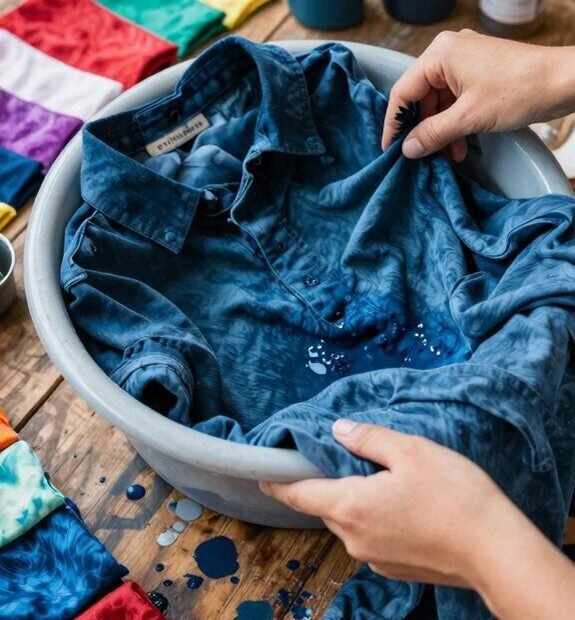
Fading is the single biggest reason clothes look old, and it is the cheapest to reverse. A box of all-purpose dye costs a few dollars and can take black jeans back to black, return a washed-out navy dress to navy, and even out the blotchy fade on cotton tees. Follow the packet timings closely and use the hottest water the fabric can take; for deep blacks, a second box in the same bath gives a richer result than one. If you want to see which dyes suit which fabrics and how the color formulas work, Rit’s guide to dye techniques and color formulas lays out the options by fabric type. Two warnings from experience with the process itself: dye only works darker or richer, never lighter, and synthetic fabrics need a dye made for synthetics or they will barely take color at all. Do a full load of similar shades together — one dye bath can refresh five or six pieces at once.
Buttons and hardware: small parts, outsized effect
Clothes date themselves through their details. A coat with shiny gold-tone buttons reads as another decade; the same coat with matte horn-style buttons reads as current. A card of replacement buttons costs around three dollars, and swapping a full set takes twenty minutes with a needle and thread, including re-sewing them firmly so they do not pop in the wash. The same trick works on blazer cuffs, cardigan fronts, and shirt plackets. Zipper pulls, belt buckles, and bag clasps can be swapped the same way. This works because the eye reads a garment’s era from its trimmings faster than from its cut — change the trimmings and the whole piece seems to change year.
Tailoring tweaks that modernize the cut
Fit dates clothes almost as fast as color does. Silhouettes drift over the years, and a pair of trousers from several seasons ago often looks old mainly because the leg is wider or the rise sits differently than what you wear now. A tailor can taper a trouser leg, take in a waist, shorten a sleeve, or lift a hem for roughly the price of a takeaway lunch — around fifteen dollars for simple jobs. The highest-value fixes: hemming jeans to the length you actually wear with your usual shoes, taking in a blazer that swims at the waist, and shortening sleeves that swallow your hands. Before you spend anything, though, restyle what you own: a front tuck, a rolled sleeve, a belt over a loose dress, boots instead of trainers under the same jeans. Half of “this looks dated” is just a combination you have worn the same way for three years, and new combinations cost nothing at all.
Surface rescue: pilling, shine, and wrinkles
Knitwear ages on its surface. Pilling — those small fuzzballs across the chest and under the arms — makes even good wool look cheap, and a ten-dollar sweater shaver removes them in minutes per garment. Work in small circles on a flat surface and empty the little compartment often. Iron shine on dark trousers (the flat sheen across the seat and thighs) can be softened by pressing through a cloth dampened with a little white vinegar and water. A fifteen-dollar handheld steamer earns its place here too: it relaxes the crushed, slept-in look that makes clothes read as old, and it is gentler than an iron on almost everything. Shoes deserve the same attention while you are at it — cleaned, conditioned leather and fresh laces do for an outfit’s bottom half what dye does for the top.
Restyling: three pieces, three new lives each
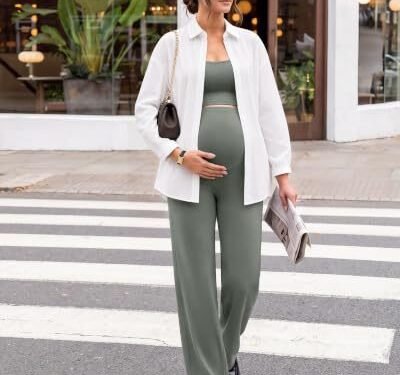
The cheapest refresh is a new combination, and it works because most people wear each item in exactly one outfit, forever. Take the white shirt: tucked into jeans it is weekend wear; under a blazer with the cuffs turned back it is office wear; tied at the waist over a dress it becomes a light jacket. The shirt did not change — the company it keeps did. A slip dress works the same rotation: alone with sandals in summer, over a thin turtleneck with boots in autumn, under an oversized cardigan as a long skirt in winter. Straight-leg jeans go daytime with trainers and a tee, evening with heels and a dark top, polished with loafers and a tucked blouse. When you restyle, change at least two of the three levers — shoes, top layer, accessories — or the outfit still reads as the old one. Photograph the combinations that work on your phone; on a rushed morning, the photo album is faster than standing in front of the rail feeling that everything is stale.
Small repairs: the ten-minute fixes that read as new
A dropped hem makes a whole dress look sloppy, and re-hemming with iron-on tape takes ten minutes and no sewing skill. Loose threads at seams, a button hanging by one thread, a belt loop torn half off — each is a five-minute needle job, and together they are often the entire difference between “old” and “kept well.” Stretched-out necklines on tees can be tightened slightly by a warm wash and careful drying, and pilling between the thighs of trousers (the friction rub that makes them look ancient) responds to the same sweater shaver used on knits. Leather in the wardrobe counts too: a scuffed belt or bag polished with matching shoe cream looks bought-yesterday, because leather, like denim, mostly ages on its surface.
Know when a piece is actually done
Refreshing has limits, and honest sorting saves money that dye would waste. A piece is done when the fabric itself has failed: cotton gone thin at the elbows or seat, knitwear stretched so far the shape no longer returns after washing, a zipper broken beyond the slider (a tailor can replace a slider cheaply, but a full zipper replacement can cost more than the garment is worth), or elastic that has perished into crinkles. Stains that have been through the dryer are usually permanent, and no dye fixes a hole. Pull those pieces out without guilt — they are why the good clothes looked worse than they were. What remains after the honest cull is smaller, but every piece in it is genuinely refreshable, which is the entire point.
Sun, air, and the freezer: the free refreshes
Some refreshes cost nothing but time. Sunlight is a gentle bleach and deodorizer for whites and sturdy cottons — a few hours on a line brightens them in a way no cycle matches, though it will fade darks, so keep those in shade. For clothes that hold smells a wash does not shift, a night in the freezer inside a sealed bag can knock back odor on denim and delicates you do not want to wash often; it is a holding measure, not a cleaning method, but it buys wears between washes, which itself slows fading. Airing wool and coats on a hanger by an open window after wear — instead of straight back into a packed rail — keeps them fresher for far longer between cleans.
Build the refresh into a rotation, not a rescue
The reason closets reach the “everything looks tired” stage is that maintenance happens in a panic or not at all. A steadier way: pick four or five pieces a month, whichever look worst, and run them through the list above — deep clean, dye if faded, buttons if dated, tailor if the fit has drifted, de-pill and steam. That rhythm pairs naturally with owning fewer, better-matched pieces in the first place; if you are trimming the wardrobe down while you refresh it, how to build a capsule wardrobe on a $500 budget covers the planning side. The goal is not a new wardrobe. It is a wardrobe that never quietly slides into looking old — because every month, a few pieces get handed back their color, their fit, and their finish.