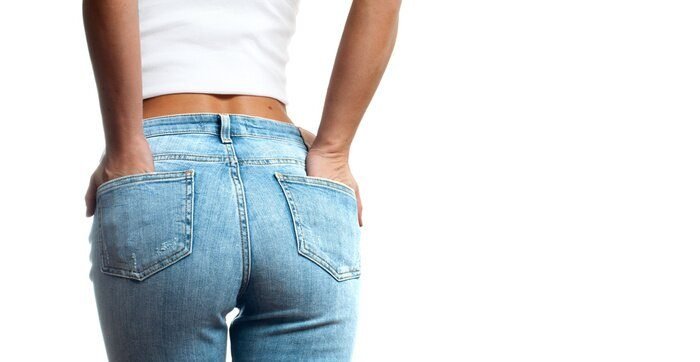
The waist gap — jeans fit everywhere except that maddening back gap. It’s a pattern problem, not a body problem, and it’s solvable.
This is one of those topics where everyone has opinions and few have useful specifics. So here’s the specific version: concrete rules, real numbers, and the mistakes to skip. Practical style advice you can use tomorrow morning.
Jeans don’t gap at waist: What the Evidence Shows
Let’s get specific about jeans don’t gap at waist — what it means, why it matters, and the practical steps that make a difference. Everything below is actionable starting today.
Seek contoured waistbands. Jeans with a higher back rise than front (contoured or ‘no-gap’ waistbands) are cut for real bodies. Brands like Abercrombie’s Curve Love, American Eagle’s curvy line, and Madewell’s curvy fits build this in — the waistband curves instead of gaping. Worth trying for two weeks. You’ll know by then if it’s your fix.
Curvy fits aren’t just for curves
Even straight-sized shoppers get waist gaps — it’s about waist-to-hip ratio, not size. If your waist is 10+ inches smaller than your hips, curvy-fit jeans solve the gap regardless of your size label. Shop the ratio, not the identity. It sounds simple because it is. The hard part is just doing it consistently.
The tailor fix: $15-25
Taking in a waistband is one of tailoring’s cheapest, fastest jobs — darts or a center-back seam adjustment. For jeans you love otherwise, this is the definitive fix. Cheaper than the endless search for the perfect off-rack pair. Not glamorous, not expensive — just something that works.
Related reading: our guide to how can I tell if a designer bag is fake covers a closely connected topic worth understanding alongside this one.
DIY: the elastic trick
Sew a short piece of elastic inside the back waistband (or use clip-on waistband adjusters, $8 for a pack). It cinches the gap invisibly. Not as clean as tailoring, but instant and effective for jeans not worth the tailor’s fee. Simple, free, and backed by both science and common sense.
High-rise gaps less
Higher rises distribute the waist-to-hip transition over more fabric, reducing gap. Low-rise jeans gap on almost everyone with any waist-hip difference — the rise itself is the problem. When gap-plagued, go higher. This is one of those fixes that feels too easy to matter — until it does.
Belts hide, don’t fix
A belt cinches the gap visually but the jeans still don’t fit — bunching and discomfort persist. Belts are camouflage, not solution. Fix the fit; use belts as accessories, not structural support. The people who do this consistently swear by it, and the logic holds up.
Quick Takeaways
- Seek contoured waistbands: Jeans with a higher back rise than front (contoured or ‘no-gap’ waistbands) are cut for real bodies.
- Curvy fits aren’t just for curves: Even straight-sized shoppers get waist gaps — it’s about waist-to-hip ratio, not size.
- The tailor fix: $15-25: Taking in a waistband is one of tailoring’s cheapest, fastest jobs — darts or a center-back seam adjustment.
- DIY: the elastic trick: Sew a short piece of elastic inside the back waistband (or use clip-on waistband adjusters, $8 for a pack).
- High-rise gaps less: Higher rises distribute the waist-to-hip transition over more fabric, reducing gap.
- Belts hide, don’t fix: A belt cinches the gap visually but the jeans still don’t fit — bunching and discomfort persist.
Fit First, Everything Else Second
If you take one principle from this article, make it this: fit outranks brand, price, and trend combined. An altered $30 garment beats an unaltered $300 one — every tailor will confirm this. Learn your measurements, know what flatters your proportions, and budget for alterations like they’re part of the purchase price.
In the fitting room, move: sit, walk, raise your arms. Clothes are worn in motion, not in mirrors. If it only looks good standing perfectly still, it’s not the right piece — no matter how good the still version looks.
A Common Mistake to Avoid
Sizing down until the waist fits and accepting thigh torture. The jeans ‘fit’ at the waist but you can’t sit comfortably — and within weeks the stretched denim bags out everywhere. Fit the hips, fix the waist. Always in that order.
If you want to go deeper on a related topic, see our guide to how can I look put together without spending much money — and for a different angle on everyday wellness, our guide to how do I find my personal style in my 30s is worth your time.
Dressing for Your Real Life
The most common wardrobe mistake is dressing for an imaginary life — the galas you never attend, the hiking you never do. Audit your actual week: work, errands, social, rest. Your wardrobe should match those proportions. If 80% of your life is casual, 80% of your closet should be.
This doesn’t mean boring — it means a casual wardrobe executed brilliantly beats a formal wardrobe gathering dust. Dress the life you have, sharpened slightly. Aspiration is fine; delusion is expensive.
For authoritative background, see InStyle’s fashion guides, and also Who What Wear’s fashion trend coverage for a second perspective.
Frequently Asked Questions
Which brands are best for no-gap waists?
Abercrombie Curve Love, American Eagle curvy, Madewell curvy, and Levi’s Ribcage (high rise helps) get the most consistent no-gap praise. Try several — bodies vary.
Does washing affect the gap?
Yes — denim relaxes with wear and tightens with washing. A jean that gaps after three wears might fit after a wash. Judge fit on day-one wear, not day-three stretch.
Build the Habit, Not Just the Outfit
One great outfit is nice; a great system is better. Build the supporting habits: the Sunday 10-minute closet reset, the steamer by the door, the tailor’s number in your phone, the running shopping list in your notes. Style that depends on daily inspiration collapses; style built on systems runs itself.
Review quarterly: what did you actually wear, what gathered dust, what needs replacing? Fifteen minutes with your closet four times a year keeps your wardrobe aligned with your life as it changes. Wardrobes are living systems — maintain them like one.
The Bottom Line
Fix the waist gap: buy contoured/curvy-fit waistbands, go higher in rise, tailor for $20, or use the elastic trick. Fit hips first, fix waist second — never size down to solve a gap.