You dressed for the 4 p.m. sunshine: light tee, shorts, sandals, feeling clever. By the second set the sun is dropping, a breeze is coming off the field, the grass is damp underfoot, and you are shivering in the least comfortable outfit in the crowd. Outdoor concerts are a dressing trap because they last through two different climates — full afternoon heat and real evening cold — on ground that ranges from lawn to mud. The fix is not a complicated outfit. It is a short checklist, checked before you leave the house.
The outdoor concert checklist
- Closed-toe, broken-in, flat shoes — no new shoes, no heels, no flimsy sandals
- A base outfit for the heat of arrival — breathable fabric you can sweat in
- One real layer for after dark — a hoodie, denim jacket, or light sweater you can tie or carry
- A crossbody bag, hands free — phone, card, ID, keys, nothing more
- Sunscreen on before you go, sunglasses that are cheap enough to lose
- A phone charged, a meeting point agreed, and the weather checked one hour before
Shoes: the decision the whole night stands on
You will be standing, walking, and probably dancing on grass, gravel, or packed dirt for four to six hours, and your feet will get stepped on in any crowd worth being in. Closed toes protect you from other people’s boots; flat soles keep you stable on ground that gets slick with spilled drinks and evening dew. “Broken-in” matters as much as the style: a concert is the worst possible debut for new shoes, because there is nowhere to sit down and recover from a blister. Trainers, sturdy flat boots, or well-worn walking sandals with a back strap are the reliable choices. Anything with a heel sinks into lawn and turns every trip to the food stalls into a wobble.
Layers: dress for the second climate
The temperature at an outdoor show can fall ten degrees or more between gates-open and the encore, and it falls fastest right after sunset — exactly when the headline act starts. The trick is one layer that does real work and carries easily: a hoodie or sweatshirt you can wear around your waist or shoulders all afternoon, a denim or canvas jacket, or a light flannel over a tee. Avoid bringing anything you would be upset to set down on wet grass or lose in a crowd. If the forecast threatens rain, a cheap packable poncho beats an umbrella, which most venues ban and every person behind you hates.
Fit the outfit to the kind of show
Not all outdoor concerts make the same demands. A seated amphitheater or lawn show is the forgiving kind: you have a patch of ground that is yours, a blanket to sit on, and room for a picnic bag — there, a sundress or shorts and a nicer top work fine, and your layer can be a proper jacket rather than a waist-tied hoodie. A standing festival field is the demanding kind: hours on your feet in a moving crowd, dust or mud underfoot, and long walks between stages. That is trainer weather, not sandal weather, and the outfit should be the one you could walk three miles in without thinking about it. Beach and park shows sit in between, with one extra rule — sand and grass both destroy pale trousers and long hems, so keep hems above the ankle. Reading the venue layout when you buy the ticket tells you which of the three you are dressing for.
What not to bring
The forbidden list is as useful as the checklist. Umbrellas are banned at most outdoor venues and confiscated at the gate. Large backpacks and totes slow the security line and often break the bag-size rules; many stadiums and festival grounds now allow only small bags, and some require them to be clear. Glass bottles are out everywhere, and expensive jewelry is a needless risk in a crowd — leave the good watch and the real earrings at home. New shoes, as covered above, are a self-inflicted injury. And white trousers have never once survived a lawn show; spilled drinks, grass, and sitting on the ground conspire against them within the hour.
The crossbody rule, and what actually goes in it
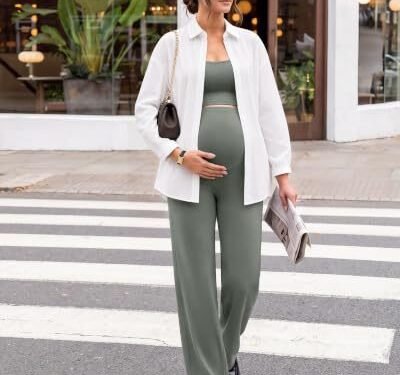
Hands-free is the rule because you need your hands for drinks, food, filming the one song you love, and holding on to friends in a crowd. A small crossbody bag or a belt bag worn across the chest keeps your things against your body and out of the mud. Pack it like a minimalist: phone, one payment card, ID, house key, a tissue, lip balm. Leave the full wallet, the makeup bag, and the just-in-case extras at home — everything extra is weight on one shoulder for five hours and one more thing to lose in the dark. Some venues only allow small clear bags, so check the venue’s bag policy before you leave; it takes one minute and saves a long walk back to the car.
Sun, fabric, and the small print
For daytime sets, sunscreen is part of the outfit, not an afterthought: shoulders, the back of the neck, and the tops of the feet burn fastest at outdoor shows, and a hat with a brim does more than sunglasses alone. Choose fabrics that forgive — cotton, linen, and jersey that will not show sweat patches or crease into a mess, and skip anything that needs adjusting all night. Dark bottoms hide grass stains and spilled drinks; a patterned top hides the rest. If you want outfit combinations that work for different kinds of shows, MasterClass’s guide to dressing for a concert walks through looks by genre and venue.
Socks, skin, and the comfort details nobody photographs
The difference between a good night and a limping one is usually invisible in outfit photos. Wear real socks with your trainers — the no-show kind that slips down and leaves your heel rubbing raw by the second hour is a classic concert mistake, and a spare pair in the bag weighs nothing if the grass is wet. If you are prone to blisters, a strip of moleskin or a blister plaster in your pocket is the smallest insurance policy in the world. Tie your hair back or bring a band for it; five hours outdoors means wind, sweat, and a stranger’s drink at least once. Choose a watch or none — a phone in a zipped bag pocket does every job. None of this shows in a single picture of the night, and all of it decides whether you are still dancing at the end of it.
Taking kids? Add three lines to the checklist
A family show adds its own rules. Children need the layer earlier than adults do — a child who is cold at sunset is done for the night, so their hoodie goes on at the first chill, not the first complaint. Ear protection is the item most parents forget: foam plugs or child-sized ear defenders, because lawn seats are kind but festival fields are loud up close. And agree the meeting point out loud, with the child, at the gate — a landmark you can both see, not “by the entrance.” Their shoes follow the same rule as yours, doubled: closed, flat, broken-in, and preferably the pair whose loss or muddying would not ruin anyone’s week.
Going straight from work? Pack the transformation, not a second outfit
Half of outdoor concerts start an hour after the office closes, which tempts people into either suffering all day in gig clothes or carrying a whole second outfit. The workable middle: wear a base that crosses over — dark jeans or chinos and a plain top pass in most workplaces and every field — then pack the three things that actually change the outfit’s job. Swap the work shoes for the broken-in trainers in your bag. Add the layer you will need at 9 p.m. Trade the work tote for the crossbody, moving only the essentials across. Everything else — makeup, a different top, heels for photos — is weight without payoff, because after the first song nobody, including you, is thinking about what you wore to the office. The rule for the whole article applies here too: the outfit has to survive the encore, and it has to survive it in comfort.
Before you walk out the door
Run the last three checks. Weather: look at the hourly forecast, not the daily icon — the hour the show ends is the hour that matters. Tickets and ID: screenshot the tickets in case the signal dies in a crowd of ten thousand phones. Plan: agree a meeting point with your group in case the signal dies anyway. And if this show has you hungry for the next one, summer is full of them that cost nothing — here is how to find free outdoor concerts in your city. Dress for the encore, not the entrance, and the night takes care of itself.