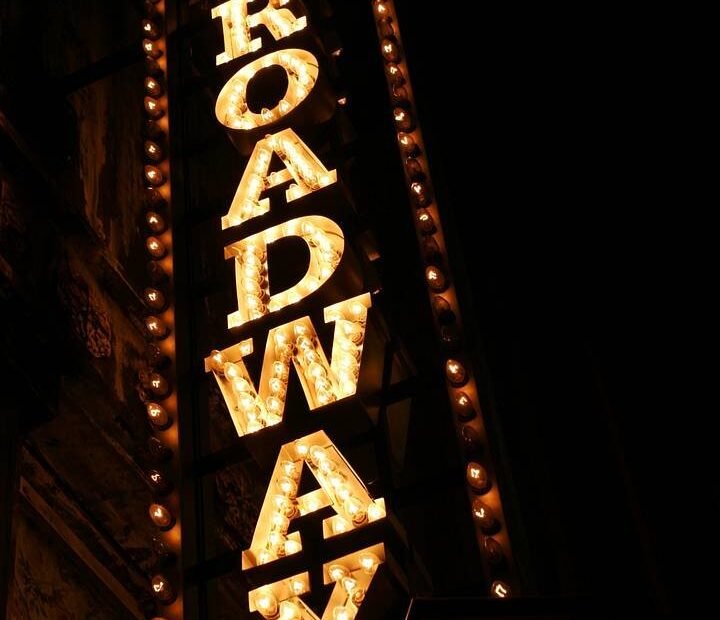
The same Broadway seat can sell for $200 on a Saturday night and $40 on a Tuesday, and the difference is not luck. A system produces that gap: lotteries, rush lines, discount booths, and a calendar that quietly reprices the same chair depending on the day, the month, and how badly the theater needs the seat filled. Most visitors never learn the system, so most visitors pay the Saturday price. Every question below opens one part of that system, with the real numbers and the real trade-offs attached.
How Do the Digital Lotteries Actually Work?
Most Broadway shows now run a digital lottery for a block of tickets to upcoming performances, priced at $30 to $40 each. Entry happens through the show’s official site or its ticketing app, and the window varies by production. Some lotteries open the morning of the performance. Others open days ahead and close the night before. Winners are notified with a short window, often an hour or two, to claim and pay, and most lotteries allow the winner to buy two tickets, which makes the system workable for pairs instead of only solo theatergoers.
The seats surprise first-time winners. Lottery tickets are not a punishment section. Theaters release genuinely good seats into lottery pools, orchestra and front mezzanine included, because a full house at a discount serves the show better than an empty premium chair. Partial-view seats do appear in some pools, and the claim screen says so when they do, so the choice stays honest. Entering takes about two minutes per show once an account exists. The sensible habit is to enter for every show on the shortlist, every day of a trip, and treat each entry as a cheap ticket in the literal sense: low cost, real chance, excellent prize.
What Are the Real Odds of Winning a Lottery?
Odds depend almost entirely on which show is being entered. A smash hit at peak fame draws thousands of entries chasing a few dozen seats, and a single entry there is a long shot worth taking rather than a plan worth relying on. A solid, well-reviewed show that is not the season’s obsession draws a far smaller pool, and those lotteries are very winnable, sometimes across several entries in the same week. Weekday performances soften the odds further, since most casual visitors aim at Friday and Saturday.
Two habits improve the math without costing anything. Enter consistently, because a two-minute daily habit across five shows quietly stacks chances the way a single hopeful entry never will. Enter for the exact performances already planned, so a win lands on a usable night instead of forcing a scramble. Travelers comparing entertainment budgets will recognize the same principle behind how much it costs to go to a concert these days: the headline price is the worst price, and the system rewards anyone willing to work it. Lottery losses cost nothing. That asymmetry is the whole case for entering every time.
What Are Rush Tickets, and How Are They Different?
Rush tickets are the older, in-person ancestor of the lottery. The box office releases a set number of same-day tickets at a steep discount, typically $40 to $50, when it opens, usually at 10 a.m. Buyers show up, join the line, and purchase at the window, generally with a limit of two tickets per person. Some shows have moved rush partly or fully online, and some reserve rush for students or for patrons under a set age, so the policy for a specific show needs checking before an early alarm gets set.
The trade-off against the lottery is certainty against comfort. A lottery win is random but arrives by phone from a warm hotel room. A rush line rewards effort directly: arrive early enough for a popular show and the ticket is very likely, while a late arrival for the same show finds the allotment gone within the first stretch of the morning. Less famous shows keep rush tickets available well past opening. Weather, day of the week, and tourist season all stretch or shrink the line. For a flexible visitor with a free morning, rush remains the most controllable discount on Broadway.
What Does TKTS Offer, and When Is It the Best Move?
TKTS sells same-day tickets, and some matinee tickets a day ahead, at 20 to 50% off face value. The flagship booth sits in Times Square, and a second location at Lincoln Center serves the same inventory with a calmer line. The board, also posted online, lists the day’s shows and their discount levels each morning, so the selection can be checked before anyone crosses town. Through TDF’s TKTS discount ticket booths, the system stays official and transparent, with fees stated at the window rather than discovered later.
TKTS is the best move for the flexible planner who lost the lotteries or skipped the rush line. The catch is built into the model: shows that are sold out do not appear, or appear with the shallowest discounts. The board favors strong shows with seats to move, which, as the flexibility question below argues, is often where the best theater value hides anyway. Lines move steadily, staff know the inventory cold, and a party can walk away with evening tickets in hand by late morning. For a same-day decision made over coffee, no other method combines this much choice with this much certainty.
When Is Broadway Cheapest?
The calendar is the quietest discount in theater, and the most reliable. Tuesday through Thursday performances consistently cost less than weekend performances for the same show in the same week. Producers price demand honestly, and midweek demand from tourists and locals alike runs lower. The month matters as much as the day. January and February, after the holiday rush empties out, form the cheapest stretch of the year. Late August into September runs nearly as soft, before the fall season locks in. December holidays and the spring peak sit at the opposite end, when the same seat commands its highest price of the year.
Time of day plays a smaller role. Some matinees undercut evening performances for the same production, and a weekday matinee stacks both discounts at once. Added together, a Tuesday evening in February against a Saturday evening in December is not a small difference. The calendar alone can save about 30% on comparable seats, before a single lottery entry or rush line enters the picture. Anyone with schedule control should spend that control here first, then let the other systems push the price down further.
Should You Flex on Which Show to See?
Yes, and this may be the strongest answer in the whole set. Mega-hits rarely discount, because they never need to. Their lotteries are lotteries in the bleakest sense, their rush lines form earliest, and TKTS seldom lists them at meaningful reductions. Excellent shows that are not sold out behave in the opposite way. They discount constantly, through every channel, because an unsold seat earns nothing at curtain. The gap in quality between the season’s loudest hit and its third-best reviewed production is usually far smaller than the gap in price.
Choosing by critics’ picks rather than by hype protects both the wallet and the evening. Reviews, word of mouth from theater staff, and the TKTS board itself all point toward the same shortlist of strong productions with seats to sell. Taking a chance on that list regularly produces the best story of a trip: the show nobody at home has heard of, seen from a good seat, at half the expected cost. Fixed devotion to one title is the most expensive taste a Broadway visitor can have.
Are Lottery and Rush Seats Actually Any Good?
Usually, yes, and this is the part newcomers find hardest to believe. The discount channels are not a clearance bin for broken sightlines. Theaters release a spread of real inventory into lottery and rush pools, and patrons regularly report orchestra rows and front mezzanine seats that would have cost three or four times the price at full rate. The logic is commercial rather than charitable. A seat sold cheap still buys a program, a drink, and a person likely to recommend the show. An empty premium seat buys nothing and photographs badly.
Partial-view seats do exist, and honest productions label them clearly at the point of sale, so a buyer can weigh the trade with open eyes. A slightly angled view at $40 against a perfect view at $180 is a trade many regulars take gladly, especially for dialogue-driven plays where little action happens at the far edges of the stage. Checking the claim or purchase screen carefully, and reading the seat notes before paying, turns this question from a gamble into a simple, informed choice.
Which Seats and Prices Should You Be Wary Of?
The warnings cluster around three traps. The first is the sketchy reseller: unofficial sites styled to look official, prices far above face value presented as deals, and tickets whose validity only gets tested at the theater door, when nothing can be done. Buy from the show’s official seller or the box office, full stop. The second trap is fee blindness. A ticket advertised at one price can grow substantially at checkout through service and facility charges, and comparing offers by their final totals, rather than their headlines, is the only honest comparison.
The third trap is premium dynamic pricing on hits. Official sellers raise prices as demand rises, so the celebrated seat for the celebrated Saturday can cost multiples of its Tuesday self. Paying that premium while a great show next door sells at half the price is the classic Broadway overspend, and it buys bragging rights rather than a better evening. A final caution completes the set: any offer that sounds impossible for a sold-out hit, priced low, sold by a stranger, and payable in a hurry, should be treated as exactly what it appears to be. The legitimate systems above are generous enough. There is no need to gamble outside them.