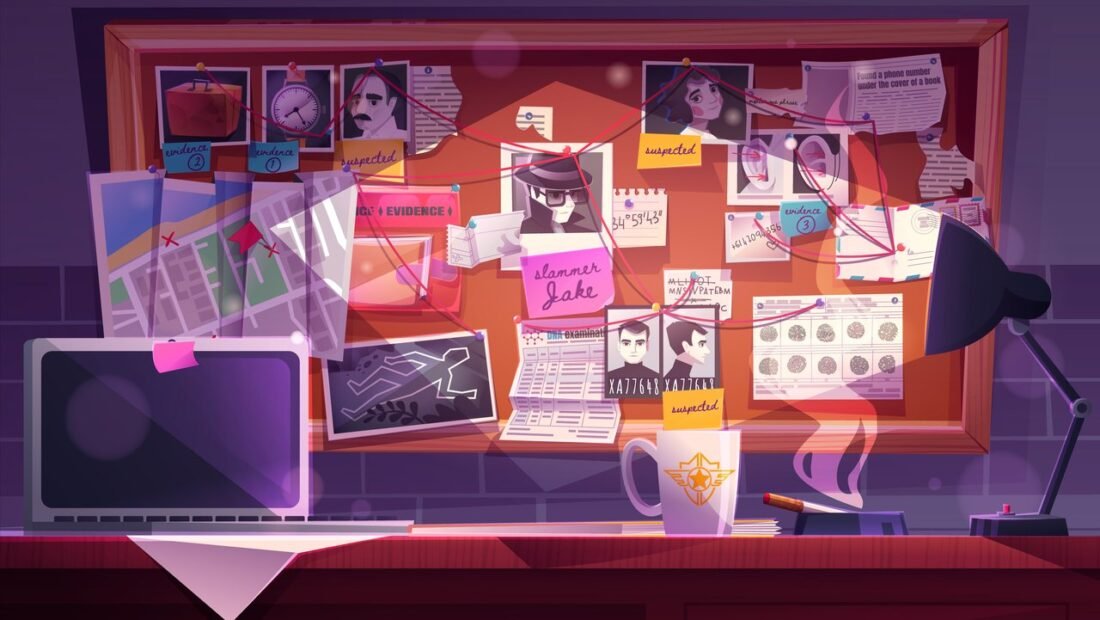
There’s a particular itch that only an unsolved mystery documentary can scratch. Solved cases give you closure; unsolved ones give you something better — a puzzle that follows you out of the room, theories debated with friends at midnight, the delicious frustration of a question mark that refuses to straighten into a period.
The best documentaries about unsolved mysteries balance three things: rigorous investigation (not just spooky music over speculation), respect for the real people involved, and storytelling that earns your obsession. Here are the essential watches, from all-time classics to recent standouts, organized by the kind of mystery that hooks you.
The Essential Unsolved Mystery Documentaries
Start with the cases everyone references. The Disappearance of Madeleine McCann (Netflix) is the definitive overview of the most famous missing-person case of the modern era — exhaustive, multi-perspective, and genuinely even-handed about the theories. The Jinx remains the gold standard of the genre: Robert Durst, a real-estate heir suspected of multiple murders, agreeing to be interviewed on camera with results so shocking they made legal history. Watch it knowing nothing going in.
For the true-crime-as-art tier, The Staircase (the original miniseries) is a decade-spanning, endlessly debatable case — owl theory and all — that turns viewers into amateur detectives. Don’t F**k With Cats is the internet-age entry: online sleuths hunting a killer through digital breadcrumbs, raising fascinating questions about crowdsourced justice. And Cropsey takes the urban-legend route — a Staten Island boogeyman story that mutates into a real investigation of institutional failure. It’s the rare mystery doc that’s really about something bigger.
Beyond True Crime: Other Flavors of Mystery
Not all great mystery documentaries are about crime. The mystery of art and history offers equally gripping puzzles: documentaries about lost masterpieces, art heists (the Isabella Stewart Gardner heist remains unsolved after decades — a $500 million empty-frame mystery), and archaeological enigmas scratch the same itch without the grimness. Science mysteries — unexplained phenomena, lost expeditions, deep-sea enigmas — offer wonder instead of dread.
The ‘internet mystery’ subgenre is having a moment: docs about cicada puzzles, unidentified sounds, and viral enigmas capture the collaborative sleuthing energy that makes the genre fun. And for the skeptics, the debunking documentaries — investigations that methodically dismantle famous mysteries — are weirdly satisfying in their own right. Sometimes the real mystery is why we needed it to be mysterious at all.
Reference: Rotten Tomatoes’ documentary rankings.
Reference: International Documentary Association.
Unsolved Mystery Watchlist by Mood
Pick your flavor of obsession:
- The definitive missing-person case: a multi-part series on the most famous disappearance of the modern era.
- The interview that made legal history: a wealthy suspect talking on camera with jaw-dropping results.
- The decade-spanning courtroom saga: a case with an owl theory that will consume your group chat.
- The internet sleuths: online detectives hunting a killer through digital footprints.
- The urban legend turned real: a boogeyman story that becomes an institutional exposé.
- The art heist: $500 million in stolen masterpieces, empty frames still hanging, case still open.
- The limited series that respects your time: tight, 4–6 episode investigations with real rigor.
Watching Responsibly (Yes, Really)
A quick word on the ethics, because the genre has a shadow side. The best mystery documentaries center victims and pursue truth; the worst exploit grief for entertainment and promote baseless theories that harass real people — including families and wrongly accused individuals. As a viewer, favor the rigorous over the sensational: shows that present evidence, acknowledge uncertainty, and correct themselves earn your time. Shows that insinuate without evidence don’t.
Also, protect your own peace. Unsolved mysteries are designed to linger — that’s the appeal — but mainlining them for a week straight genuinely affects sleep and anxiety. Mix in lighter fare, don’t watch the darkest stuff right before bed, and remember that the solved rate of famous mysteries featured in documentaries is, by selection bias, terrible. The world is statistically much safer than the genre implies. Enjoy the puzzle; don’t let it rewire your worldview.
Quick Answers to Common Questions
Are unsolved mystery documentaries ethical to watch?
The good ones are — they center victims, pursue truth rigorously, and sometimes drive real justice. The exploitative ones sensationalize grief and promote baseless theories that harass real people. Favor shows that present evidence, acknowledge uncertainty, and correct themselves. You vote with your watch time; spend it on the rigorous ones.
Why am I so obsessed with unsolved cases?
Psychology has answers: the Zeigarnik effect (our brains fixate on incomplete tasks), the puzzle-solving reward loop, and the safe-distance thrill of danger without risk. It’s normal and healthy in moderation — the obsession becomes a problem only when it affects your sleep, anxiety, or worldview. Enjoy the mystery; don’t let it rewire your sense of safety.
What’s the difference between true crime docs and mystery docs?
True crime focuses on the crime and investigation; mystery documentaries center the unanswered question itself — which can be a disappearance, an art heist, a historical enigma, or an internet puzzle. The mystery frame is often less grim and more puzzle-like, which is why it appeals to viewers who find traditional true crime too heavy.
More from Daily USA Post
- Keep reading: how can I watch old TV shows that are not on streaming
- Related: what are the best horror movies that are not too scary
- what is the best way to reheat pizza so it stays crispy, explained in detail
The best documentaries about unsolved mysteries — from landmark investigations to art heists to internet-age sleuthing — offer the irresistible pull of an unanswered question. Choose rigorous over sensational, match the mystery to your mood, and pace yourself. The best ones don’t just entertain; they turn you into a detective for a week. Just try to sleep normally afterward.
Start with one: the case or mystery that already fascinates you. Watch it with full attention — no phone — and let yourself fall down the rabbit hole responsibly. Then pace yourself: one mystery documentary a week, balanced with lighter fare. The puzzles will wait; your sleep matters too.