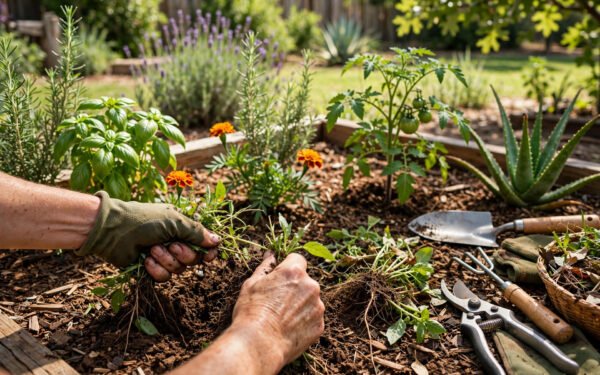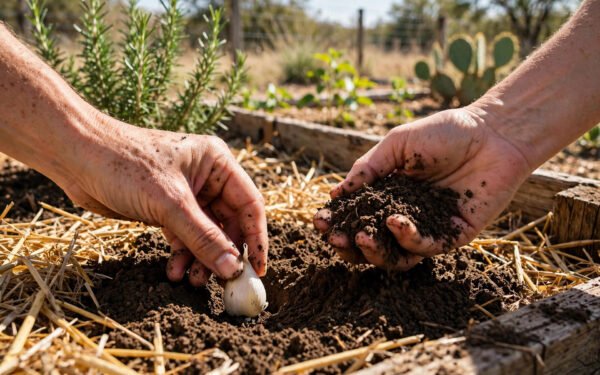
Your daylilies have formed an impenetrable clump, the hostas are crowding each other into submission, and the black-eyed Susans have claimed territory well beyond their invitation. Dividing perennials is the gardener’s free plant multiplier — one overgrown clump becomes three, five, sometimes ten new plants. But the fear is real: hack apart a root ball wrong and you kill a plant that took years to establish. In Texas, where heat stress punishes every gardening mistake, timing and technique matter even more. Here’s how to divide perennials without damaging roots, with Texas-specific timing that makes the difference between thriving divisions and expensive compost. For more detail on a related topic, see our article on how to use up leftover vegetables before they spoil.
Why, When, and Which Perennials to Divide
Divide when you see: dead centers (the classic donut — vigorous outer ring, dead middle), reduced flowering, or clumps crowding neighbors. Most perennials need dividing every 3–5 years; aggressive spreaders (mint, bee balm) more often.
Texas timing is everything. The standard advice — “divide in spring or fall” — needs Texas translation:
- Fall (October–November) is prime time for most Texas perennials. Soil is still warm for root establishment, but the brutal heat has passed. Divisions get 4–5 months of mild weather to root before summer.
- Early spring (February–March) works for summer-blooming perennials — divide as new growth emerges, before the plant invests energy in foliage.
- Never divide in summer. A freshly divided plant facing 105°F with a compromised root system is a dead plant. This is the Texas rule that overrides all generic advice.
- Spring bloomers (iris, columbine): divide right after flowering. Fall bloomers (asters, mums): divide in spring. Summer bloomers (daylilies, coneflowers): divide in fall.
The Tools and Prep
- Sharp spade or garden fork: a fork lifts with less root damage than a spade slices. For huge clumps, two forks back-to-back (levered apart) is the classic technique.
- Hori-hori knife or sharp serrated knife: for precise division of smaller crowns.
- tarp or wheelbarrow: work in shade — Texas sun dries exposed roots in minutes.
- Water: soak the plant deeply the day before dividing. Hydrated roots are flexible; dry roots snap.
- Pruning shears: cut foliage back by one-third to one-half before dividing — less top growth means less water demand on damaged roots.
The Division Technique: Step by Step
- Water deeply the day before. Cut back foliage by a third.
- Dig wide: start 6–8 inches outside the clump’s drip line and dig down 8–12 inches. Most root damage happens from digging too close — give the root ball room.
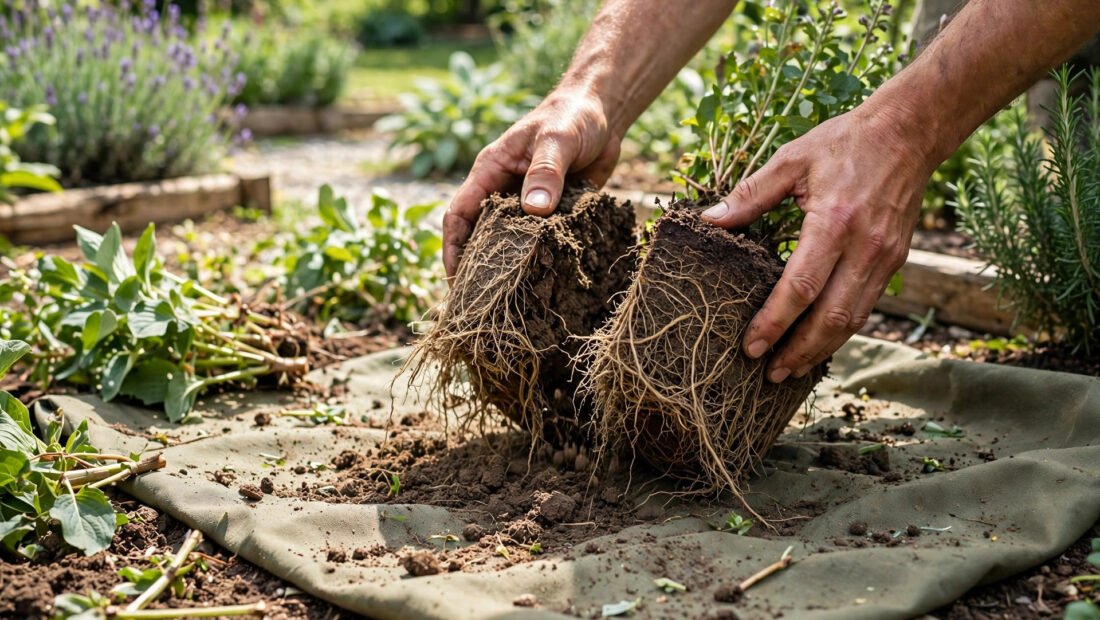
- Lift the entire clump onto a tarp in the shade. Work quickly from here — exposed roots dry fast in Texas air.
- Shake or wash off soil so you can see the crown structure. This is the step most people skip, and it’s the most important — you can’t divide what you can’t see.
- Identify natural divisions: look for fans, eyes, or separate crowns with their own roots. Many perennials practically tell you where to split.
- Divide:
- Fibrous-rooted (daylilies, ornamental grasses): pull apart by hand or lever with two forks. Tease, don’t rip.
- Dense crowns (hostas, Siberian iris): cut with a sharp knife or drive the spade through decisively — one clean cut beats sawing.
- Tap-rooted (butterfly weed, poppies): DON’T divide — they resent it deeply. Propagate these by seed instead.
- Rhizomes (bearded iris, cannas): cut rhizomes so each piece has at least one fan of leaves and healthy roots; trim roots to 4–6 inches.
- Keep divisions viable: each piece needs 3–5 vigorous shoots (“eyes” or fans) plus a healthy root mass. Smaller pieces survive but take years to recover — be generous.
- Replant immediately at the same depth as before (the soil line on the stems shows you). Water deeply, mulch 2–3 inches (keeping mulch off crowns), and shade new divisions for a few days if heat spikes.
Aftercare: The Texas Recovery Protocol
- Water consistently for 2–3 weeks: divisions have reduced root systems and can’t forage yet. Keep soil evenly moist (not soggy).
- No fertilizer for 4–6 weeks: feeding stressed roots burns them. Let roots establish first.
- Expect transplant sulk: wilting, yellowing, or stalled growth for 2–4 weeks is normal. The plant is building roots, not leaves — patience.
- Winter protection: fall divisions in North Texas benefit from extra mulch if a hard freeze threatens before establishment.
Dividing Specific Texas Perennials: Quick Reference
- Daylilies: the easiest — lift in fall, pull fans apart by hand, replant immediately. Nearly indestructible; the classic beginner division.
- Bearded iris: divide 4–6 weeks after blooming (summer, the exception to the fall rule). Cut rhizomes with one fan each, trim leaves to 6 inches, replant shallowly with the rhizome top exposed — buried iris rhizomes rot in Texas humidity.
- Ornamental grasses (Mexican feathergrass, muhly): divide in early spring before new growth. Use a sharp spade or even a reciprocating saw on monster clumps — grasses are tough.
- Black-eyed Susans and coneflowers: fall division; they establish quickly and often bloom the first year after dividing.
- Agave and yucca offsets: twist or cut pups from the mother plant, let the cut callus for 2–3 days before replanting (prevents rot), then plant in well-draining soil.
- Lantana and salvias: woody-based perennials divide poorly — take cuttings instead. Know which plants prefer which propagation method.
What to Do With the Extras
Divisions multiply fast — a single daylily clump can yield 8–10 plants. Pot extras for spring plant swaps (Texas gardening clubs run active swap circuits), gift to neighbors (the currency of gardening friendship), or expand your own beds. Label everything — by next spring you won’t remember which division was which. For planning where new divisions go, planning your garden layout for your location helps you place plants where they’ll thrive rather than just where there’s space.
Conclusion
Dividing perennials without damaging roots comes down to: time it for Texas fall (never summer), water the day before, dig wide, expose the crown so you can see natural divisions, make clean cuts or gentle separations, keep each piece generously sized, and replant immediately with consistent aftercare water. Respect the tap-rooted exceptions, cut back foliage to balance the root loss, and don’t fertilize until establishment. Done right, division isn’t plant surgery — it’s plant multiplication, turning one $15 perennial into a garden’s worth of free plants. The USDA’s plant guides offer species-specific timing for less common perennials. Texas A&M AgriLife Extension offers region-specific perennial care calendars for Texas gardeners.
Frequently Asked Questions
When is the best time to divide perennials in Texas?
Fall (October–November) for most perennials — warm soil, mild air, months to establish before summer. Early spring works for summer bloomers. Never divide in Texas summer; the heat kills compromised divisions.
How do you know if a perennial needs dividing?
Dead centers (donut shape), reduced flowering, or overcrowding are the signs. Most perennials need it every 3–5 years. If blooms are shrinking year over year, division is overdue.
Can you divide perennials in summer if you water enough?
Technically possible, practically unwise in Texas. Even with irrigation, 100°F+ heat on a root-compromised plant causes massive losses. Wait for fall — the plant will still be there, and your success rate triples.
What perennials should never be divided?
Tap-rooted perennials (butterfly weed, Oriental poppies, baby’s breath) resent division deeply — propagate by seed instead. Also avoid dividing anything currently in full bloom or under stress.
How small can divisions be and still survive?
Each division needs 3–5 vigorous shoots plus healthy roots. Smaller pieces can survive but take 2–3 years to reach flowering size. When in doubt, make fewer, larger divisions.