
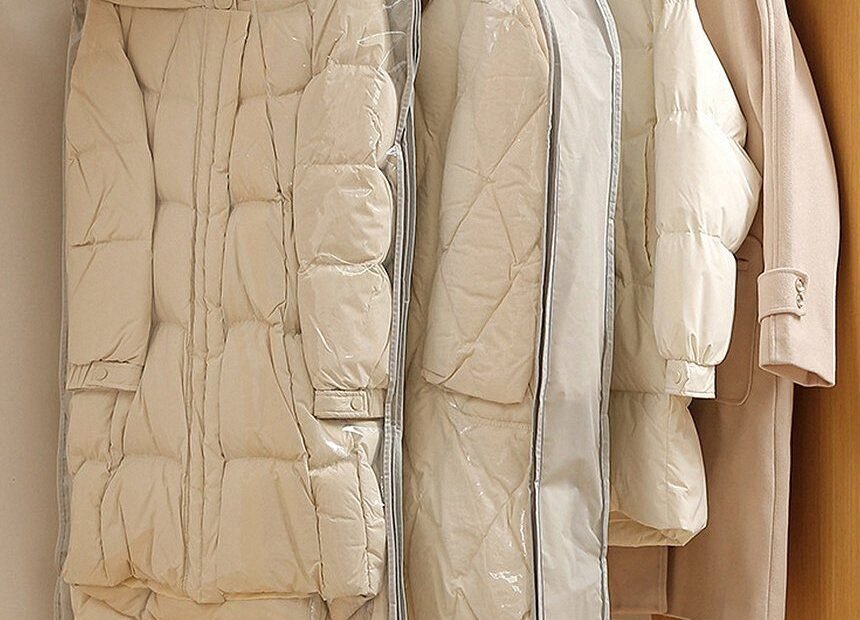
I ruined a good wool coat by stuffing it in a garbage bag in a hot attic. Proper off-season storage isn’t fussy — it’s the difference between a coat that lasts five years and fifteen.
Fashion advice is either suspiciously vague (‘just be confident!’) or suspiciously expensive. This is neither — it’s the practical stuff that actually works in real life, on a real budget, for real bodies. I learned most of it the hard way so you don’t have to.
Store winter coats in summer: What the Evidence Shows
Let’s get specific about store winter coats in summer — what it means, why it matters, and the practical steps that make a difference. Everything below is actionable starting today.
Clean before storing — always. Moths and carpet beetles eat dirty wool, not clean wool — they’re after the food stains and body oils. Dry-clean or wash according to the label before storage. Storing a dirty coat is essentially baiting pests. Worth trying for two weeks. You’ll know by then if it’s your fix.
Breathable garment bags, never plastic
Plastic traps moisture and invites mildew; it also off-gasses. Use breathable canvas or cotton garment bags. For folded coats, cotton storage bags or even clean pillowcases work. Airflow is the goal. It sounds simple because it is. The hard part is just doing it consistently.
Cedar beats mothballs
Cedar blocks, rings, or sachets repel moths without the toxic stink of mothballs (which are genuinely hazardous — paradichlorobenzene is no joke). Sand cedar lightly each season to refresh the oils. Lavender sachets are a pleasant backup. Not glamorous, not expensive — just something that works.
Related reading: our guide to how do I dress professionally on a hot summer day covers a closely connected topic worth understanding alongside this one.
Cool, dark, dry — pick two minimum
Heat degrades fibers and adhesives; sunlight fades; dampness breeds mildew. A bedroom closet beats a hot attic or damp basement every time. If the closet is your only option, it’s a fine one — most coats live happily there year-round. Simple, free, and backed by both science and common sense.
Stuff the sleeves, support the shoulders
Acid-free tissue in the sleeves prevents creasing; wide padded hangers support heavy coats’ shoulders. Wire hangers under a heavy wool coat will deform the shoulders by September — the damage is slow and permanent. This is one of those fixes that feels too easy to matter — until it does.
Check once mid-summer
A quick July inspection catches moth activity or dampness before it becomes destruction. Two minutes, twice a year, protects a $300 coat. Set a phone reminder — future you will be grateful. The people who do this consistently swear by it, and the logic holds up.
Quick Takeaways
- Clean before storing — always: Moths and carpet beetles eat dirty wool, not clean wool — they’re after the food stains and body oils.
- Breathable garment bags, never plastic: Plastic traps moisture and invites mildew; it also off-gasses.
- Cedar beats mothballs: Cedar blocks, rings, or sachets repel moths without the toxic stink of mothballs (which are genuinely hazardous — paradichlorobenzene is no joke).
- Cool, dark, dry — pick two minimum: Heat degrades fibers and adhesives; sunlight fades; dampness breeds mildew.
- Stuff the sleeves, support the shoulders: Acid-free tissue in the sleeves prevents creasing; wide padded hangers support heavy coats’ shoulders.
- Check once mid-summer: A quick July inspection catches moth activity or dampness before it becomes destruction.
Fit First, Everything Else Second
If you take one principle from this article, make it this: fit outranks brand, price, and trend combined. An altered $30 garment beats an unaltered $300 one — every tailor will confirm this. Learn your measurements, know what flatters your proportions, and budget for alterations like they’re part of the purchase price.
In the fitting room, move: sit, walk, raise your arms. Clothes are worn in motion, not in mirrors. If it only looks good standing perfectly still, it’s not the right piece — no matter how good the still version looks.
A Common Mistake to Avoid
The vacuum-seal bag temptation. Compressing a structured wool coat for months crushes the interlining and shoulder construction permanently. Vacuum bags are for puffy jackets and sweaters — never for tailored wool coats with real structure.
If you want to go deeper on a related topic, see our guide to how should clothes fit on broad shoulders — and for a different angle on everyday wellness, our guide to how can I style the same dress for work and evening is worth your time.
Thrift Like a Pro
The best thrifters shop often, know their measurements by heart, and check fabric labels before price tags. Natural fibers and quality construction are what you’re hunting — a $8 wool blazer beats a $8 polyester one by miles. Go on weekday mornings for the best selection, and always try things on; thrift sizing is chaos.
Look past styling to potential: dated buttons can be swapped, hems can be altered, and a good tailor turns thrift finds into custom pieces. The thrift store is a raw-materials shop for people with vision — and a tailor’s phone number.
For authoritative background, see Good Housekeeping’s clothing and style lab tests, and also Real Simple’s practical clothing advice for a second perspective.
Frequently Asked Questions
Can I store coats in the basement?
Only if it’s genuinely dry — use a hygrometer; under 50% humidity is the target. Damp basements destroy coats with mildew. When in doubt, a closet inside the living space wins.
How do I get rid of moths already in the closet?
Empty it completely, vacuum every corner, wash what you can hot, dry-clean the rest, and use pheromone moth traps to monitor. One neglected corner reinfests everything.
Your Action Plan This Week
Day 1: pull out everything related to this topic from your closet and assess honestly — what works, what’s dead. Day 2-3: handle the maintenance — wash, de-pill, steam, repair. Day 4: identify the single biggest gap and shop for it with the rules from this article. Day 5-7: wear the new setup and notice what still bothers you. One focused week beats months of vague intention.
Set a budget before you shop and write down the specific piece you’re hunting — vague shopping produces vague results. The most stylish people shop with lists, not moods.
The Bottom Line
Store winter coats clean, in breathable bags, with cedar, on wide hangers, in a cool dry closet. Skip the plastic and the vacuum sealer. A mid-summer check takes two minutes and saves your investment.



