
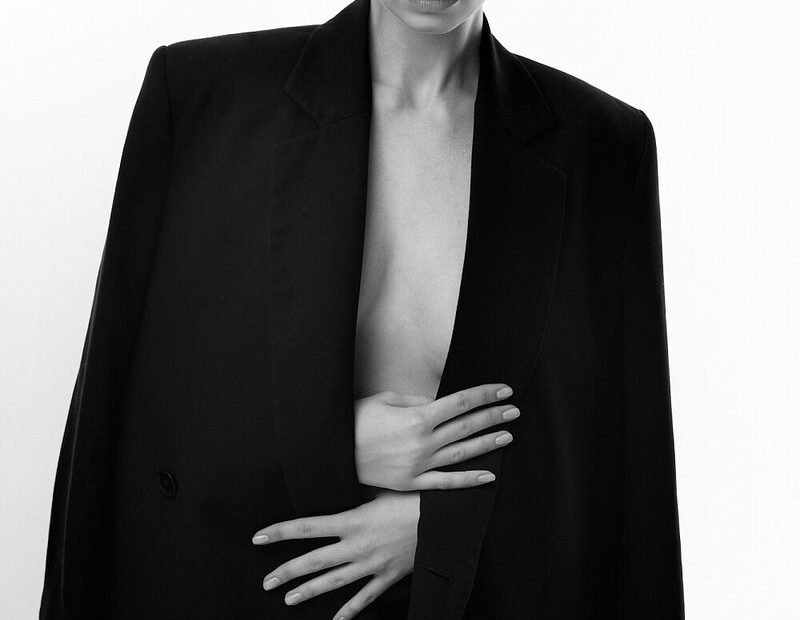
Broad shoulders make off-the-rack shopping an adventure — everything that fits the shoulders swims everywhere else. Here’s the fitting playbook that finally worked for me.
Good style is 20% taste and 80% technique — fit, fabric, maintenance, and knowing the tricks. The taste part is yours; the technique part is learnable. Here’s the technique.
Clothes fit broad shoulders: What the Evidence Shows
Let’s get specific about clothes fit broad shoulders — what it means, why it matters, and the practical steps that make a difference. Everything below is actionable starting today.
Buy for the shoulders, tailor the rest. Shoulders are the hardest part of any garment to alter — everything else is easy. Buy the size that fits your shoulder line, then tailor the waist and body. A $20 alteration beats a closet of almost-fitting clothes. It sounds simple because it is. The hard part is just doing it consistently.
Raglan and dolman sleeves are your friends
Sleeves that extend from the neckline (raglan) or drape from the shoulder (dolman) eliminate the shoulder-seam problem entirely. These cuts were practically designed for broad shoulders — no seam to sit wrong. Not glamorous, not expensive — just something that works.
V-necks and scoop necks balance proportions
Necklines that create vertical lines — V-necks, scoop necks, open collars — visually narrow the shoulder line. Boat necks and off-shoulder styles do the opposite; wear them only if you want to emphasize width. Simple, free, and backed by both science and common sense.
Related reading: our guide to what are the wardrobe essentials for a new mom covers a closely connected topic worth understanding alongside this one.
Structured shoulders beat sloppy ones
Counterintuitively, a defined shoulder seam that sits correctly looks better than a too-small seam digging in. Shoulder pads in blazers (light ones) actually create a clean line. The enemy isn’t structure — it’s the wrong size. This is one of those fixes that feels too easy to matter — until it does.
Balance with volume below
A-line skirts, wide-leg trousers, and flared hems balance broad shoulders by adding visual weight below. The goal isn’t hiding your shoulders — it’s proportion. Strong shoulders with balanced hips look athletic and striking. The people who do this consistently swear by it, and the logic holds up.
Avoid: tiny straps and high necklines
Spaghetti straps and crew necks emphasize shoulder width by contrast — a thin strap against broad shoulders looks thinner, making shoulders look broader. Wider straps and open necklines are more harmonious. Small change, real payoff — that’s the pattern with this one.
Quick Takeaways
- Buy for the shoulders, tailor the rest: Shoulders are the hardest part of any garment to alter — everything else is easy.
- Raglan and dolman sleeves are your friends: Sleeves that extend from the neckline (raglan) or drape from the shoulder (dolman) eliminate the shoulder-seam problem entirely.
- V-necks and scoop necks balance proportions: Necklines that create vertical lines — V-necks, scoop necks, open collars — visually narrow the shoulder line.
- Structured shoulders beat sloppy ones: Counterintuitively, a defined shoulder seam that sits correctly looks better than a too-small seam digging in.
- Balance with volume below: A-line skirts, wide-leg trousers, and flared hems balance broad shoulders by adding visual weight below.
- Avoid: tiny straps and high necklines: Spaghetti straps and crew necks emphasize shoulder width by contrast — a thin strap against broad shoulders looks thinner, making shoulders look broader.
Shopping Smarter, Not More
The best-dressed people I know shop less, not more. They know their sizes across brands, keep a running list of actual gaps, and pounce on the right piece when it appears — often thrifted or on sale. Impulse shopping is the enemy; intentional shopping is the skill.
Build a relationship with a few reliable sources: one thrift store you know well, one or two brands whose sizing you trust, and a tailor. This infrastructure beats endless browsing — you’ll spend less time shopping and look better doing it.
A Common Mistake to Avoid
Sizing down to fit the body and squeezing the shoulders. Straining seams across the back, restricted arm movement, and pulling at the buttons — it never looks good and it wears out clothes fast. Fit the widest point; tailor inward. Always.
If you want to go deeper on a related topic, see our guide to what should teenagers wear to a school dance — and for a different angle on everyday wellness, our guide to how can I find affordable wedding guest dresses under $100 is worth your time.
Accessories: The Multiplier
Accessories do disproportionate work: a scarf, belt, watch, or great bag can make the same basic outfit look different three days running. They’re also the cheapest way to experiment — a $20 accessory trend costs nothing compared to a $200 garment trend.
Invest in the daily anchors: a watch you love, sunglasses that flatter, a bag that works. These get worn constantly and define your look more than any single garment. Then play with cheap trend accessories around them.
For authoritative background, see Good Housekeeping’s beauty and fashion section, and also Vogue’s fashion editorial coverage for a second perspective.
Frequently Asked Questions
Should broad-shouldered people avoid blazers?
No — blazers are excellent, as long as the shoulder seam sits at your actual shoulder. An unlined, slightly relaxed blazer in the right size looks sharp and intentional.
Do patterns matter?
Vertical details (V-necks, long necklaces, vertical stripes) narrow; horizontal details (boat necks, wide patterns) widen. Use this dial intentionally — sometimes you want to emphasize strong shoulders.
Your Next Three Moves
Move one: the audit — gather every relevant item you own and judge each against this article’s standards. Move two: the fix — repair, tailor, or clean the keepers; donate the rest without mercy. Move three: the targeted acquisition — buy the one missing piece that opens up the most outfits, using every rule above.
Do these in order. Most people shop first and audit never, which is exactly backwards — you can’t know what you need until you know what you have. The audit-fix-acquire sequence turns random shopping into wardrobe building.
The Bottom Line
Broad shoulders: buy for the shoulder line, tailor everything else, favor raglan sleeves and V-necks, balance with volume below. Fit the widest point — alterations handle the rest.



