
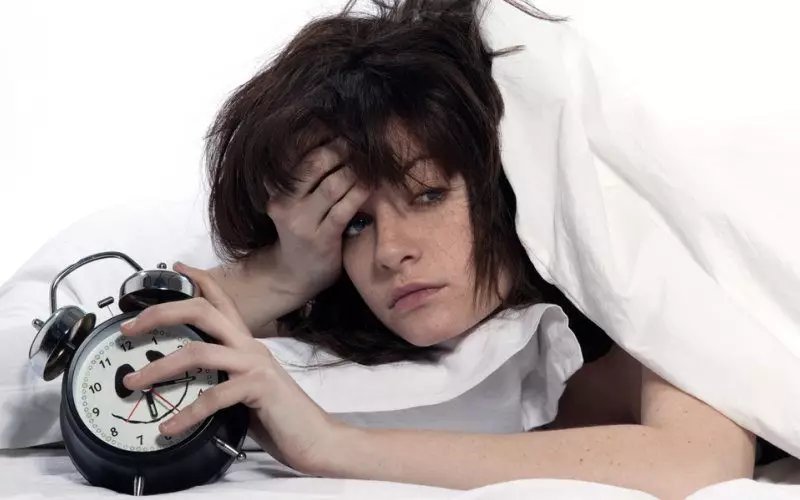
You did everything right: in bed by ten, eight full hours, and you still wake up feeling like you got hit by a truck. It’s one of the most frustrating health complaints because the obvious fix — more sleep — doesn’t help. The problem usually isn’t the quantity. It’s what’s happening during those eight hours.
Most guides give you the textbook version. I’d rather give you the version that survives contact with a busy schedule and a limited budget.
Tired even after sleeping eight hours in the Real World
A coworker complained for months about exhaustion despite sleeping eight hours religiously. Her doctor ordered a sleep study almost as an afterthought — and found moderate sleep apnea. She was technically ‘asleep’ all night but waking up dozens of times an hour to breathe. A month on treatment, she told me she felt like she’d been ‘living life on 60% and didn’t know it.’ Eight hours of bad sleep had been worse than six hours of good sleep.
Here’s what I wish someone had told me earlier: with health topics, the boring fundamentals outperform the exciting hacks by orders of magnitude. Sleep, movement, food, stress — the unsexy quartet — drive the vast majority of outcomes. Every week there’s a new supplement or protocol going viral, but the people with the best health markers are usually just consistent about the basics. Master those before chasing anything exotic.
It helps to think in terms of experiments, not overhauls. Try one change for two to three weeks, notice what happens, then decide. Your body gives feedback if you pay attention; the trick is changing one variable at a time so you can actually hear it.
For authoritative background on this topic, see the National Sleep Foundation on sleep quality.
Common Mistakes to Avoid
Before the how-to, let’s clear the landmines. These are the mistakes I see over and over, and each one is completely avoidable.
- Adding more hours instead of investigating quality — ten bad hours won’t fix it
- Blaming laziness or age when there’s a treatable medical cause
- Self-medicating with caffeine and energy drinks, which wreck the next night’s sleep
Your Action Plan
Here’s your move-by-move plan. Nothing fancy — just the steps that actually move the needle.
- Rule out sleep apnea if you snore, gasp, or wake with headaches — it’s wildly underdiagnosed.
- Check the basics: alcohol fragments sleep, late caffeine lingers, and screens delay melatonin.
- Keep a two-week sleep diary noting bedtime, wakeups, and daytime energy — patterns emerge fast.
- See your doctor if fatigue persists; thyroid issues, anemia, and depression all masquerade as ‘bad sleep.’
Why This Matters More Than You Think
Here’s what the research keeps telling us about tired even after sleeping eight hours: small, early actions outperform dramatic, late ones by a wide margin. Prevention isn’t just better than cure in the moral sense — it’s better in the practical sense too. Cheaper, less disruptive, more effective. Almost every health outcome improves when you address it early rather than waiting for a crisis to force your hand.
What the Research and Real Experience Say
A pattern across health research relevant to tired even after sleeping eight hours: adherence beats optimization. The perfect plan you follow 40% of the time loses to the decent plan you follow 90% of the time, in study after study. So when choosing an approach, weight sustainability as heavily as effectiveness. The best plan is the one you’ll still be doing in six months.
Your First 30 Days
Thirty days is about the minimum to see real signals with tired even after sleeping eight hours. Bodies adapt slowly, and the first week or two is mostly noise. Commit to the full month before judging results — and track something simple so you’re evaluating data, not vibes. Future you will thank present you for the patience.
What Success Looks Like
Success with tired even after sleeping eight hours is measured on the trend line, not the daily reading. Bodies fluctuate; that’s normal and not a verdict. What matters is the direction over months: generally better, generally steadier. Zoom out, trust the process, and let the small daily actions accumulate into the outcome you want. Patience isn’t passive here — it’s the strategy.
Quick Answers to Common Questions
What’s the hardest part?
Starting, and then the middle — the unglamorous stretch where the novelty is gone and the results aren’t visible yet. Knowing this in advance helps: when it gets boring and hard, that’s not a sign it’s failing. That’s the part where it works.
Can I do this alongside a busy schedule?
Yes, if you design for it. The approach here is meant to fit real life — small actions, flexible timing, no heroic time commitments. Busy people succeed at this all the time; they just build it into existing routines instead of waiting for free time.
Why do so many people quit?
Unrealistic expectations plus all-or-nothing thinking. They expect fast dramatic results, don’t get them, and conclude the whole thing doesn’t work — instead of adjusting expectations and continuing. Patience is the rarest and most valuable asset here.
It’s also worth talking to someone who’s done this before you. Ten minutes with an experienced person can save you ten hours of trial and error. People are surprisingly generous with advice when you ask specific questions.
One last thought before you go: the people who get the most out of this are the ones who act within 48 hours. Not perfectly, not comprehensively — just one concrete step while the ideas are fresh. Reading was the easy part. Doing one thing is what makes it count.
Keep learning: Early Signs of High Blood Pressure You Shouldn’t Ignore, Foods That Help Reduce Anxiety Naturally, and How to Cut Shipping Costs for Your Online Store.
The Bottom Line
Feeling tired after eight hours means the hours aren’t the issue — the quality is. Investigate like a detective: apnea, habits, and medical causes, in that order. For further reading, the CDC on sleep disorders is a solid next stop.



