You’re at the nail salon, the technician asks “gel or acrylic?” and you freeze — because you genuinely don’t know the difference, only that one costs more and both promise perfect nails. Gel vs. acrylic is the most common nail enhancement decision, and the right choice depends on your lifestyle, your natural nails, your budget, and how much maintenance you’ll tolerate. Texas adds its own variables: heat, pools, and an outdoor lifestyle that punish some options more than others. Here’s the complete comparison.
What They Actually Are
Acrylic nails are built from a liquid monomer + powder polymer mixture that hardens in air. The technician sculpts the mixture over your natural nail (or a tip extension), then files and shapes it. They’ve been the salon standard for decades — strong, versatile, and capable of dramatic length and shape.
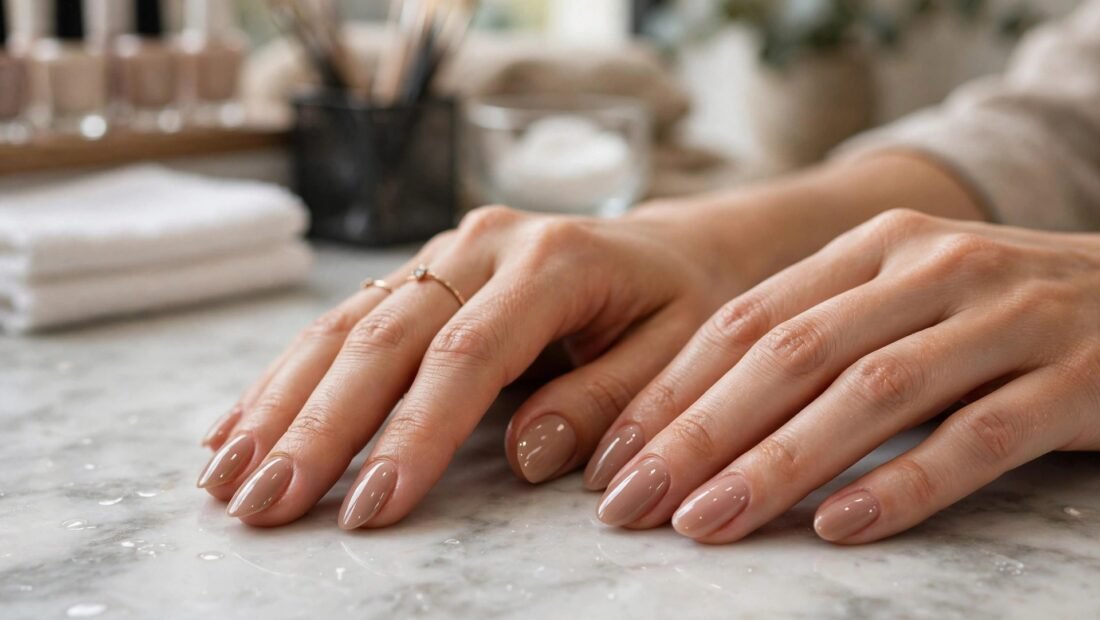
Gel nails (hard gel / builder gel — distinct from gel polish) are a gel substance brushed on like thick polish and cured under UV/LED light. They’re more flexible than acrylic, with a glossier, more natural-looking finish. (Gel polish/Shellac is a third thing — polish cured with light, applied over natural nails, lasting ~2 weeks. Don’t confuse it with gel extensions.)
The distinction that matters: acrylic = harder and stronger; gel = more flexible and natural-looking. Everything else flows from that.
Head-to-Head Comparison
Durability and strength
Acrylic wins. Harder, more rigid, better for very long lengths and dramatic shapes (stilettos, coffins). If you’re rough on your hands — typing all day, opening everything with your nails, Texas outdoor life — acrylic withstands more abuse. Gel is durable but more flexible; under extreme stress it bends where acrylic would hold (which is actually kinder to your natural nail — a bent gel vs. a broken acrylic can mean the difference between intact and injured nail bed).
Look and feel
Gel wins. Thinner, glossier, more natural — gel looks like a better version of your real nail. Acrylic is thicker by nature and can look artificial, especially at longer lengths. For the “are those your real nails?” effect, gel.
Application experience
Gel wins on comfort, loses on time. Acrylic application involves strong monomer fumes (that chemical smell) and more aggressive filing; the odor is the main complaint. Gel is odorless but requires curing time under the lamp per layer — appointments run longer.
Maintenance
Both need fills every 2–3 weeks as natural nails grow out. Acrylic fills are faster and cheaper ($25–$40); gel fills run $35–$60 and take longer. Skipped maintenance looks worse with acrylic (visible lifting edge) and risks more damage (lifting + moisture = green nail fungus).
Removal and nail health
Both require professional soak-off — peeling or prying either one rips layers off your natural nail, the actual cause of most “acrylics ruined my nails” stories. Acrylic soaks off in acetone (20–30 minutes); hard gel often must be filed off (no dissolving), which demands a skilled technician to avoid thinning the natural nail. Neither option is “healthier” inherently — technique and maintenance discipline determine nail health, not the product. The American Academy of Dermatology’s nail care guidance emphasizes exactly this: proper application and removal matter more than product choice.
Cost in Texas (2026)
Full sets: acrylic $45–$75, gel $60–$100+ in Texas metros. Fills: acrylic $25–$40, gel $35–$60. Over a year of fills every 3 weeks (~17 fills), the gap compounds: roughly $425–$680/year for acrylic vs. $595–$1,020 for gel. Budget accordingly — the polished look on a budget can absolutely include salon nails, but the math should be deliberate.
Which Should You Choose?
Choose acrylic if: you want maximum length or dramatic shapes, you’re hard on your hands, budget matters, or you bite/pick (acrylic’s hardness deters). Choose gel if: you want the most natural look, prefer thinner enhancements, are sensitive to fumes, or your natural nails are healthy and you want to keep them that way (gel’s flexibility is gentler).
Consider neither if: you have nail fungus, severely damaged nails, or an allergy to acrylates (increasingly common — causes itching, lifting, and contact dermatitis; gel and acrylic both contain acrylates, so allergy means avoiding both). In that case, structured gel polish manicures or high-quality press-ons are the alternatives — modern press-ons, properly applied, last 1–2 weeks and look remarkably good.
Texas-Specific Considerations
- Pools and heat: prolonged pool soaking weakens both — acrylic lifts faster with water exposure, gel fares slightly better. Dry hands thoroughly after swimming; consider gloves for cleaning.
- UV curing and sun: gel curing uses UV/LED lamps — brief, controlled exposure, far less than Texas sun. Apply sunscreen to hands before appointments if you’re concerned (dermatologists recommend this).
- Outdoor lifestyle: gardening, sports, and manual work punish long enhancements regardless of type. Shorter lengths in either product survive Texas active life better.
- Salon vetting matters: Texas has minimal nail-salon regulation consistency — look for clean implements (autoclave or single-use files), proper ventilation (especially for acrylic fumes), and technicians who don’t aggressively file your natural nail plate. Cleveland Clinic’s guidance on salon safety lists the hygiene red flags worth walking out over.
Between appointments, nail health is home maintenance: cuticle oil daily (prevents lifting and keeps enhancements flexible), gloves for cleaning and gardening, and never using nails as tools. For the full routine — nails plus everything else — a proper self-care day is the perfect time for the at-home nail maintenance that extends time between fills.
Conclusion
Gel vs. acrylic isn’t a quality ranking — it’s a fit question. Acrylic: harder, stronger, cheaper, better for drama and durability, with fumes and thickness as trade-offs. Gel: more natural, glossier, gentler, odorless, with higher cost and longer appointments as trade-offs. Match the choice to your lifestyle, vet your salon for hygiene and technique, maintain fills on schedule, and never peel enhancements off. Do that, and either choice gives you great nails for years — the product matters less than the protocol, and the salon matters most of all.
Frequently Asked Questions
How do I choose between gel and acrylic nails?
Choose acrylic for maximum strength, length, dramatic shapes, and lower cost. Choose gel for the most natural look, thinner finish, no fumes, and gentler wear. Your lifestyle (hand use, budget, length goals) decides — neither is universally better.
Which lasts longer, gel or acrylic nails?
Comparable with proper maintenance — both need fills every 2–3 weeks. Acrylic is harder and resists breakage better at extreme lengths; gel’s flexibility means it bends rather than snaps under stress. Longevity depends more on maintenance discipline than product.
Do gel or acrylic nails damage your natural nails?
Neither inherently — damage comes from improper application (over-filing), skipped maintenance (lifting + moisture), and improper removal (peeling/prying). Professional application, regular fills, and professional soak-off keep natural nails healthy under either.
Are gel nails better than acrylic for natural look?
Yes — gel’s thinner, glossier finish looks more like a natural nail. Acrylic is thicker by nature. For the “are those real?” effect, gel (or gel polish over natural nails) wins.
How much do gel vs acrylic nails cost in Texas?
In 2026 Texas metros: full sets $45–$75 acrylic, $60–$100+ gel; fills $25–$40 acrylic, $35–$60 gel. Annual cost with regular fills runs roughly $425–$680 (acrylic) vs. $595–$1,020 (gel).