The menu on the salon wall lists two full sets about twenty dollars apart. Then the technician looks up and asks, gel or acrylic, in the tone people use when the answer should already be obvious. For most people sitting in that chair, it is not obvious at all. Both options promise long, polished nails. Both need the same kind of upkeep. The real difference sits underneath the polish: how strong your natural nail is right now, what your hands actually do all day, and how the set will be taken off when you are done with it. Get those three things clear and the choice mostly makes itself.
Two Different Materials, Two Different Feels
Acrylic starts as a liquid and a powder. The technician mixes them on the brush, and the bead hardens in the air as it is shaped over your natural nail or over a plastic tip that adds length. Once it sets, it is hard. Really hard. That hardness is the whole point, and it is also the source of most acrylic complaints. A finished acrylic nail is thicker than a natural nail, it feels firm when you tap it on a table, and it holds a sharp shape well, which is why long coffin and stiletto sets are almost always acrylic.
Hard gel, sometimes called builder gel, starts as a thick gel that is brushed on and then cured under a UV or LED lamp. Each layer hardens only when the light hits it, so the technician can take a little more time shaping before anything sets. The finished nail is thinner and more flexible than acrylic. Press on the free edge and it gives slightly, much closer to the way a natural nail behaves. That flex is not a weakness in the casual sense. It changes what happens when the nail takes a knock.
One confusion deserves clearing up first. Gel polish, sold under names like Shellac, is neither of these things. Gel polish is color cured with light, painted over the natural nail with no added length or structure, and it lasts around two weeks. Hard gel builds structure and length. When a salon menu says gel, ask whether it means hard gel extensions or gel polish, because the price, the strength, and the removal are all different.
Strength Is Not the Same as Safety
On pure resistance to breaking, acrylic wins. It suits very long lengths and dramatic shapes, and it holds up for people who are rough on their hands: constant typing, warehouse or retail work, opening packaging, gardening on weekends. If a set needs to survive daily abuse without much thought, acrylic is the safer bet.
Gel tells a different story under stress. Because it bends, a hard knock that would crack or snap an acrylic nail may only flex a gel nail and spring back. That matters for the nail underneath. When a rigid acrylic nail breaks badly, it can take a piece of the natural nail with it and leave a sore, damaged nail bed. A gel nail that bends first is often kinder in the same accident. So the honest comparison is not strong versus weak. It is rigid and break-resistant versus flexible and forgiving. Typists who want moderate length and a natural feel usually prefer the second. People who want maximum length usually need the first.
Neither product protects a weak natural nail by itself. If your nails peel, split at the sides, or bend easily, say so before the set goes on. Length makes every weakness worse, because a longer free edge acts like a lever on the nail bed. A good technician will suggest a shorter starting length for either material if the natural nail is fragile, and that advice is worth taking even when the long set in the reference photo looks better.
How Each One Looks Up Close
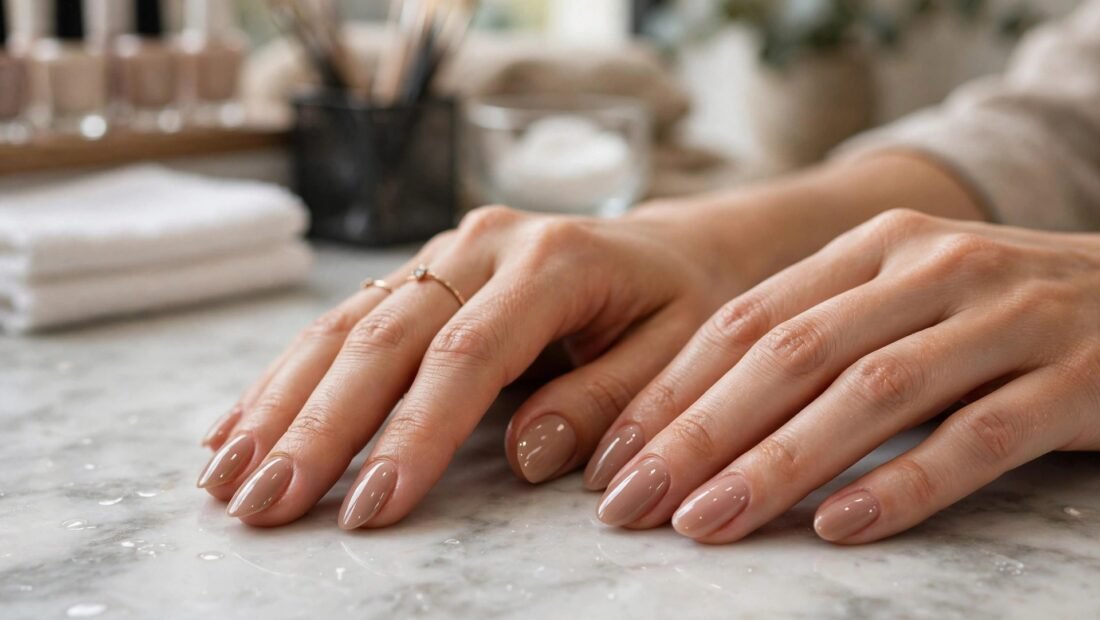
Gel has the clear advantage for a natural look. It can be built thinner, it has a glossy finish that reads like healthy nail rather than product, and the growth line near the cuticle tends to look softer between appointments. If the goal is for people to wonder whether those are your real nails, gel is the one that gets asked that question.
Acrylic can look excellent too, but it takes more skill to keep it from looking thick, especially around the cuticle where product can build up. Ask to see photos of the technician’s own work at the length you want, not just long showcase sets.
The Appointment Itself
Acrylic announces itself. The liquid monomer has a strong chemical smell that fills a small salon, and some people find it gives them a headache. Ventilation makes a real difference, so the smell when you walk in is useful information. Acrylic work also involves more filing, and heavy-handed filing at the prep stage is where a lot of later nail damage begins. Gel appointments are odorless, but they tend to run longer, since every layer needs its own time under the lamp. Neither process should hurt. Pain is a reason to speak up in the chair, not something to push through politely.
Hygiene matters more than brand of product. Look for sealed, single-use files or properly sterilized metal tools, a clean work surface, and a technician who does not cut living skin around the cuticle. Texas salon standards vary from place to place, so judge the specific shop in front of you.
Upkeep, Fills, and the Real Yearly Cost
Both systems grow out with your natural nail, so both need fills every two to three weeks. At a fill, the technician files down the lifted or grown-out area, rebalances the structure, and fills the gap near the cuticle. Skip fills and the balance shifts toward the tip, which makes breaks more likely and lets moisture get under lifted edges. Trapped moisture under a lifted enhancement is how green discoloration and fungal problems start.
In Texas metros in 2026, a full acrylic set typically runs $45 to $75, while a hard gel set runs $60 to $100 or more. Fills show the same gap: about $25 to $40 for acrylic and $35 to $60 for gel, with gel fills also taking longer in the chair. Spread over a year of fills every three weeks, roughly seventeen fills, the difference adds up to real money: about $425 to $680 a year in fills for acrylic against about $595 to $1,020 for gel, before tips, repairs, and nail art.
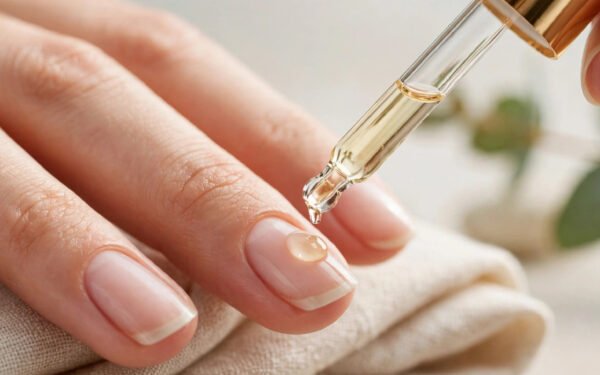
That yearly view is the right way to decide, because nobody wears one set forever. If the gel price means you will stretch fills to four or five weeks to save money, acrylic on a proper schedule will look better and treat your nails better than gel worn too long. The best-maintained cheaper set beats the neglected expensive one every time. Daily cuticle oil, gloves for cleaning and dishes, and refusing to use your nails as pry tools stretch the life of either set more than any product upgrade. Those home habits matter enough that it is worth learning how to keep your nails strong without salon visits alongside any enhancement routine.
Removal Decides How Your Nails Feel Afterward
Ask about removal before you book the set, because removal is where natural nails are saved or ruined. Acrylic soaks off in acetone in about twenty to thirty minutes. The product softens and lifts away, and a patient technician lets the solvent do the work. Hard gel is different: most hard gels do not dissolve, so they must be filed off, and filing off product without filing into the natural nail plate takes a skilled, careful hand. A rushed removal can thin the natural nail badly enough that it stays sensitive for weeks.
What ruins nails, for both systems, is peeling and prying. An enhancement bonds to the top layers of the nail plate, so ripping it off tears those layers away with it. The thin, bendy, sore nails people blame on acrylic or gel are usually the result of forced removal, aggressive prep filing, or months of skipped maintenance, not the product itself. That point comes up again and again in the American Academy of Dermatology’s nail care guidance: technique and removal habits shape nail health far more than which enhancement sits on top.
Texas Heat, Pools, and Outdoor Hands
Texas life tests enhancements in specific ways. Long pool sessions soak both products, and prolonged water exposure encourages lifting, with acrylic generally lifting faster once water gets under an edge. Dry your hands well after swimming, and treat any lifted corner as a prompt to book a fill. Chlorine and cleaning chemicals are harder on enhancements than plain water, so gloves earn their keep. Gel curing lamps use brief, controlled light, far less than an afternoon of Texas sun, but sunscreen on the backs of your hands before a gel appointment is a cheap precaution. Gardening, yard work, and sports punish length in both materials, so a shorter, active length survives a Texas summer far better than a long set chosen for photos in May.
The Recommendation, Matched to the Person
Choose acrylic if you want maximum length or bold shapes, you are hard on your hands, your budget is the deciding factor, or you tend to bite or pick and need the deterrent of a harder surface. Choose hard gel if you want the most natural look and feel, you dislike salon fumes, your natural nails are in decent shape, and you are willing to pay more per visit and sit a little longer for a gentler, glossier result. Choose neither, for now, if you have a fungal infection, badly damaged or peeling nails, or a known reaction to acrylates such as itching, redness, or lifting around the product, since both systems contain acrylates and an allergy to them rules out both. Press-on nails have improved a great deal and, applied properly, can last one to two weeks while damaged nails recover.
Back in that chair, the answer is not about which product is better in general. It is about which set your nails, your work, and your budget can maintain well, fill on time, and remove properly. Pick on those grounds, and either name on that menu can work for a long time.