The squat is the king of lower-body exercises — and the fastest way to wreck your knees if you do it wrong. Every week, physical therapists across Texas see the same story: someone starts squatting with enthusiasm, adds weight aggressively, and shows up six weeks later with aching knees and a stalled program. The tragedy is that knee-friendly squatting is a learnable skill, not a genetic gift. Here is exactly how to squat with proper form that builds bulletproof legs instead of injured joints.
Why Squats Hurt Knees (It Is Rarely the Squat’s Fault)
Knees are hinge joints caught between two powerful ball-and-socket joints — the hips and ankles. When hip or ankle mobility is limited, the knee compensates by absorbing forces it was not designed to handle. The three classic form failures: knees caving inward (valgus collapse), usually from weak glutes; knees shooting far past the toes with the torso upright, loading the patellar tendon; and heels lifting, shifting force forward onto the knee instead of through the midfoot. Fix the mechanics and the knee pain usually resolves — which is why understanding knee pain patterns helps you diagnose your own weak links.
The Setup: Stance and Foot Position
Stand with feet roughly shoulder-width apart, toes pointed slightly outward (15–30 degrees — your anatomy dictates the exact angle). Grip the floor with your whole foot: big toe, little toe, and heel pressing evenly, the “tripod foot.” Before you descend, take a breath into your belly and brace your core as if expecting a punch — this intra-abdominal pressure protects your spine and keeps your torso rigid.
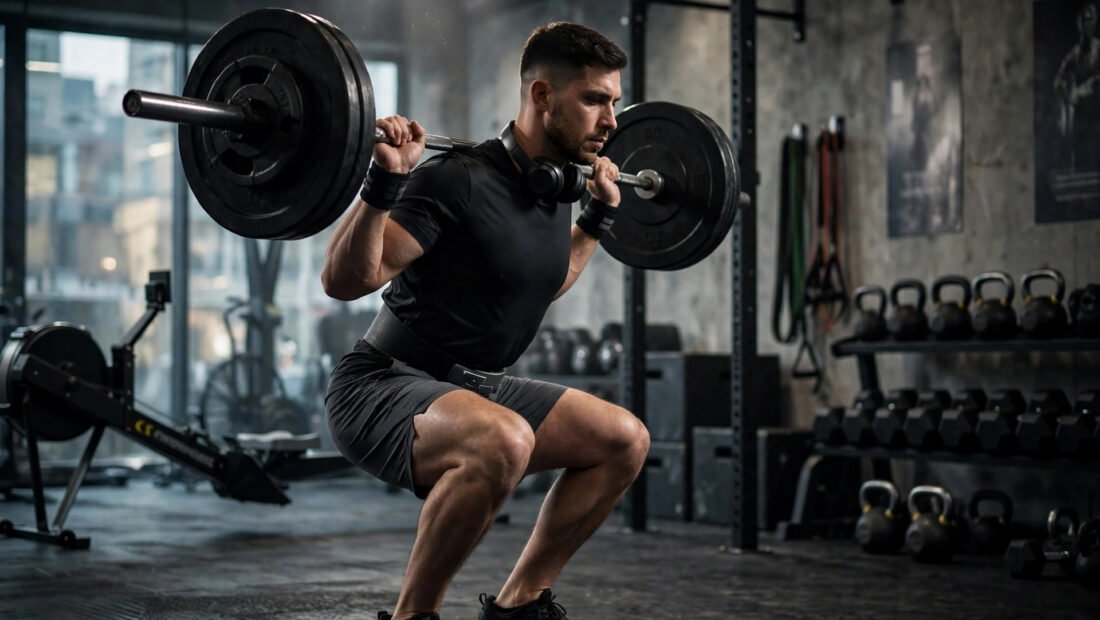
Bar position matters for barbell squats. High-bar (bar on upper traps) suits a more upright torso; low-bar (bar across rear delts) shifts emphasis to hips and hamstrings and typically allows heavier loads. Beginners should master bodyweight and goblet squats before touching a barbell at all.
The Descent: Hips and Knees Together
Initiate by pushing your hips back slightly and bending your knees simultaneously — not one then the other. Think “spread the floor apart” with your feet to engage the glutes and keep knees tracking over toes. Descend under control for 2–3 seconds. Depth target: hip crease below the top of the knee (parallel) if your mobility allows. But depth is earned, not forced — squatting to a box or bench set at a comfortable height is the smartest way to build depth progressively without compensation.
The knees-over-toes question: some forward knee travel is normal and unavoidable, especially for long-legged lifters. The outdated cue “never let knees pass toes” causes more problems than it solves by forcing excessive forward lean. What matters is that knees track in line with the toes — not caving inward — and that weight stays over the midfoot, not the toes.
The Ascent: Drive and Lockout
Drive up by pushing the floor away, keeping your chest proud and knees tracking outward. Exhale as you pass the sticking point. At the top, stand tall with glutes squeezed — but do not hyperextend your lower back. The rep should look identical from rep one to rep ten; when form degrades, the set is over regardless of what your program says. That discipline is what separates lifters with healthy knees at 50 from those with stories about “when I used to squat.”
Common Fixes for Common Problems
Knees cave in: loop a mini-band around your knees during warm-ups to cue outward pressure, and add glute bridges and clamshells to your routine. Often resolves in weeks.
Heels lift: usually tight calves or long femurs. Elevate heels slightly with weightlifting shoes (a legitimate tool, not cheating) while you work on ankle mobility with wall knee-to-wall stretches.
Lower back rounds (“butt wink”): often a depth/mobility issue, not a strength one. Reduce depth to where your back stays neutral, and work on hip flexor and hamstring mobility separately. If you also deal with back discomfort from daily life, our guide to exercises for lower-back pain complements squat training well.
One knee hurts, the other does not: film yourself from the front — asymmetry is usually visible. Single-leg work (split squats, step-ups) exposes and corrects imbalances that bilateral squats hide.
Programming: How Much and How Often
Beginners: 2–3 sessions per week, 3 sets of 8–12 reps with bodyweight or light goblet weight, leaving 2 reps “in the tank.” Add weight only when all sets feel crisp — the classic “two-rep rule.” Intermediate lifters can handle heavier 5-rep work, but keep one lighter technique day weekly. Knees need 48 hours between hard squat sessions; connective tissue recovers slower than muscles. And posture matters beyond the gym — improving your daily posture reduces the cumulative stress your knees absorb all day.
Variations That Spare the Knees
If back squats bother you despite good form, you have excellent options. Goblet squats (dumbbell at chest) naturally enforce upright posture. Box squats control depth precisely. Spanish squats (band behind knees, torso upright) specifically target the quads while reducing knee shear — a physical-therapy favorite for patellar tendon issues. Belt squats load the legs with zero spinal compression. There is no moral hierarchy of squat variations; the best squat is the one your knees tolerate for years.
When Knee Pain Means Stop
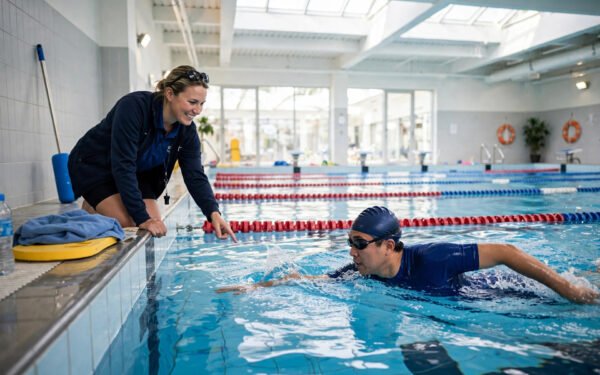
Distinguish muscle fatigue from joint pain: burning quads are fine; sharp, pinching, or swelling sensations inside the knee are not. Pain that appears during warm-up sets and worsens is a stop signal. Pain that appears only at extreme depth is a depth signal — shorten range. The Mayo Clinic and NIH both advise evaluation for locking, catching, buckling, or swelling that persists beyond a few days. A single session with a qualified coach or physical therapist to review your form on video is the highest-ROI investment a new squatter can make.
Conclusion
Knee-friendly squatting comes down to five things: feet rooted and knees tracking over toes, hips and knees moving together, controlled depth you actually own, weight over the midfoot, and the humility to stop a set when form breaks. Master those and the squat becomes what it should be — the single best exercise for strong, resilient legs and knees that feel better at 60 than they did at 30.
Frequently Asked Questions
Should my knees go past my toes when squatting?
Some forward knee travel is normal and safe; what matters is that knees track in line with your toes rather than caving inward, and that your weight stays over your midfoot. The old “never past toes” cue is outdated.
How deep should I squat?
Aim for hip crease to knee level (parallel) if your mobility allows it without your lower back rounding. Depth beyond your current mobility causes compensation — build it gradually with box squats and mobility work.
Are squats bad for arthritic knees?
Not necessarily — controlled, partial-range squats often help arthritic knees by strengthening the quadriceps that support the joint. Start with shallow box squats, keep pain below 3/10, and progress slowly. Get medical guidance for advanced arthritis.
How often should beginners squat?
Two to three times per week with at least one rest day between sessions. Start with bodyweight or light goblet squats for 3 sets of 8–12 reps, adding load only when every rep looks clean.