
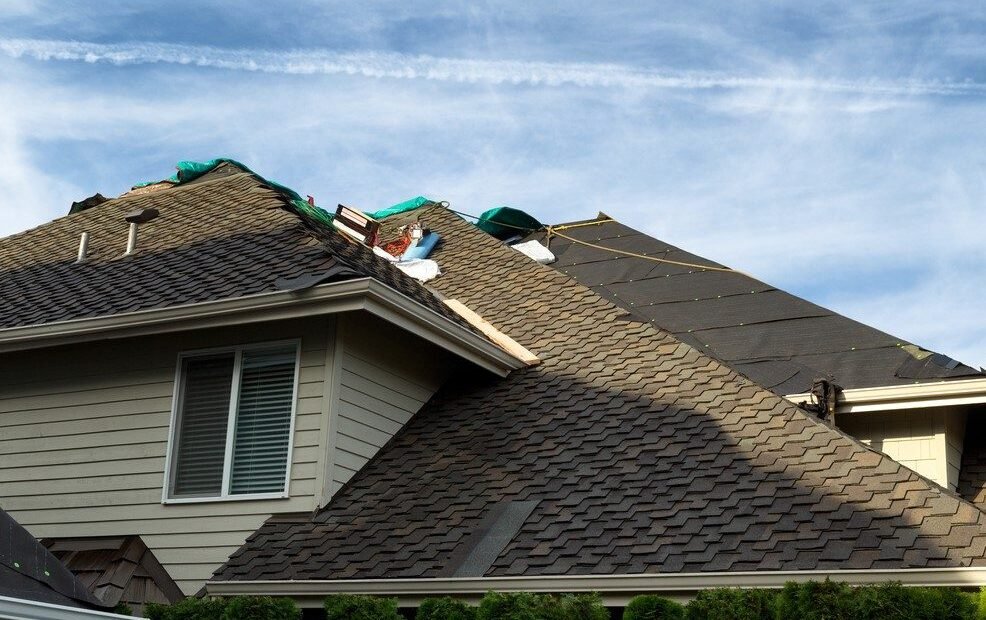
When our roof started leaking, the quotes ranged from $7,500 to $18,000 for the same 1,400 square foot house, and every contractor insisted their number was the honest one. Roofing has the widest quote spread of any home project I have priced, which means the informed homeowner saves the most here.
How much does it cost to replace a roof on a small house? The realistic range: $8,000 to $15,000 for architectural shingles on a typical small home, or $5 to $12 per square foot of roof area. Here is what moves the number.
How Much Does It Cost to Replace a Roof on a Small House?
Roofing is priced by the square (100 sq ft of roof area). Architectural asphalt shingles, the standard choice, run $450-$700 per square installed including tear-off and materials. A small house with 1,500 sq ft of roof area (note: roof area exceeds floor area due to pitch) therefore costs $7,000-$11,000. Three-tab shingles are cheaper ($350-$500/square) but thinner and shorter-lived; most contractors now recommend architectural as the value baseline. Metal roofing runs $800-$1,400 per square installed but lasts 40-70 years versus 20-30 for shingles.
The cost multipliers: roof pitch (steep roofs cost 20-50% more for safety and slowness), number of layers to tear off (two layers doubles disposal labor; some jurisdictions allow overlaying one layer, saving $1,000-$2,000), complexity (valleys, dormers, chimneys add flashing labor), and decking condition (rotted plywood discovered during tear-off adds $50-$75 per sheet replaced). How much does it cost to replace a roof on a small house with a steep pitch and two tear-off layers? Easily 50% above the base range, which is why quotes vary so wildly.
- Get 3-5 quotes, itemized per square. Roofing has the widest spreads. Itemization exposes padding.
- Architectural shingles: the value baseline. $450-$700/square installed. 20-30 year life.
- Ask about tear-off vs overlay. Overlay saves $1k-$2k but hides deck problems. One overlay max.
- Verify decking replacement terms. $50-$75 per sheet. Get the trigger criteria in writing.
- Check contractor credentials hard. Licensed, insured, manufacturer-certified, local references. Storm chasers are the industry’s predators.
- Never pay in full upfront. 10-20% deposit typical. Final payment after inspection and your satisfaction.
- Ask about the warranty split. Manufacturer covers materials (20-50 years); contractor covers workmanship (5-10 years). Both in writing.
- Time it for fall or spring. Mild weather, contractor availability, and shingles seal properly.
Vetting roofers is critical because roofing attracts more fly-by-night operators than any other trade. Demand proof of liability and workers’ comp insurance (call the insurer to verify), manufacturer certifications (GAF, Owens Corning, CertainTeed), and recent local references you actually call. Beware storm chasers who knock after hailstorms, demand full payment upfront, or offer to pay your deductible (insurance fraud). A legitimate roofer has a local office, local references, and no problem with you checking.
Repair vs Replace: The Decision
Not every aging roof needs replacement. Repair makes sense when: damage is localized (a few blown-off shingles, one leaking valley), the roof is under 15 years old, and the decking is sound. Replacement is due when: the roof is 20+ years old with widespread wear, shingles are curling or losing granules across large areas, or leaks recur in multiple spots. The granule test is telling: check your gutters for shingle granules; heavy granule loss means the shingles’ protective layer is gone and replacement is near.
And get the timing right: replace on your schedule in good weather, not as an emergency during a leak. Emergency roofing costs more, chooses worse, and happens in the rain. If your roof is 18+ years old, start getting quotes now.
Quick Answers to Common Questions
How long does a roof replacement take?
1-3 days for a typical small house with an experienced crew. Complex roofs or decking repairs extend to a week. Weather delays are the main variable.
What is the cheapest roofing material?
Three-tab asphalt shingles, but architectural shingles cost only slightly more and last significantly longer, making them the better value. Metal costs more upfront but wins on lifespan.
Should I stay home during roof replacement?
You can, but it is extremely loud. Plan to be out during tear-off day. Keep pets and cars away from the house; debris falls.
How often should a roof be replaced?
Architectural shingles: 20-30 years. Three-tab: 15-20. Metal: 40-70. Climate, ventilation, and installation quality move these significantly.
My Roof Replacement Checklist
- Get 3-5 itemized quotes. Per square pricing. Question the outliers.
- Vet contractors ruthlessly. Insurance verified, manufacturer certified, local references called.
- Architectural shingles baseline. $450-$700/square. Best value for most homes.
- Decking terms in writing. Replacement price per sheet, trigger criteria.
- Never full payment upfront. 10-20% deposit. Balance after inspection.
What I Would Do Next
Our roof cost $10,500: architectural shingles, full tear-off, six sheets of decking replaced, new flashing everywhere. Three years later, through hail and wind that damaged neighbors’ roofs, ours is flawless. The cheapest quote was $7,500 from a contractor who could not produce insurance documents. The most expensive was $18,000 of pure padding. The middle quote from the certified local company was the right answer, as it usually is.
How much does it cost to replace a roof on a small house? $8,000-$15,000 for architectural shingles, with vetting as the real project. The spread between quotes is where your savings live.
Start getting quotes at year 18, not at the first drip. Roofs reward planners and punish emergencies.
Related reading: What Should I Do If My Basement Floods After Heavy Rain.
Related reading: How Can I Prevent Ice Dams on My Roof in Winter.
Related reading: What Are Cheap High-protein Meals for a Tight Budget.
For official guidance, check out This Old House how-to articles and the Department of Energy home efficiency guides.



