
What is the best wifi router for a two-story house? It’s a fair question, and the honest answer is: it depends — but not in the annoying way. It depends on a handful of specific factors, and once you know what they are, you can figure out your situation in about five minutes. That’s what this article is for.
I’ve seen too many people overpay, waste a weekend, or pick the wrong option simply because nobody gave them the full picture. So here it is: the full picture, written like I’d explain it to a friend over coffee.
What is the Best Wifi Router for a Two-story House: What You Need to Know
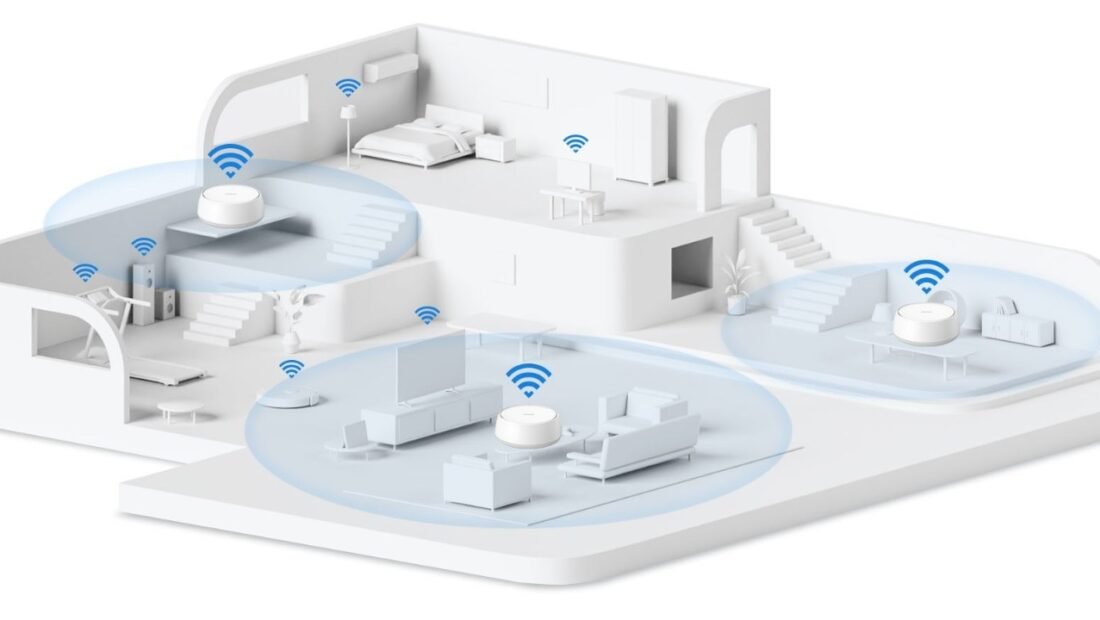
Here’s the uncomfortable truth about two-story houses: a single router, no matter how expensive, struggles to cover both floors well. Wi-Fi signals radiate outward and downward from the router much better than upward, so the floor farthest from the router always suffers. For most two-story homes, the answer isn’t a bigger router — it’s a mesh system with two or three nodes working together.
A mesh system like the Amazon Eero 6+, Google Nest Wifi Pro, or TP-Link Deco XE75 places small units on each floor that hand your devices seamlessly between them as you move. Expect to pay $200 to $350 for a two- or three-pack, which sounds steep until you realize it replaces both the router and the range extenders people buy in frustration. Setup takes about 15 minutes through a phone app — no networking degree required. For more on this topic, see How do I Free Up Storage Space on my Android Phone — it pairs well with what you just read.
Breaking It Down Further
If your house is under about 2,000 square feet with an open floor plan, a single powerful router can work when placed correctly: centrally, on the first floor ceiling or high on a shelf, away from metal and concrete. The TP-Link Archer AX73 or ASUS RT-AX86U (both around $150–$200) are strong single-router picks. But add thick walls, a basement, or 3,000+ square feet and mesh becomes the clear winner. You can also check the FCC’s consumer guides for the authoritative details.
Placement matters as much as the hardware. The classic mistake is hiding the router in a corner office or the basement utility closet — the two worst spots in the house. For mesh, put the main node where your internet enters, and satellite nodes roughly halfway to the dead zones, one per floor, in open areas — not inside cabinets or behind the TV. Nodes need to see each other, in signal terms, to relay effectively.
What to Do About It
- Two-story homes: mesh systems (Eero 6+, Nest Wifi Pro, Deco XE75) beat single routers; $200–$350.
- Single router works under ~2,000 sq ft open plan if placed centrally and high (Archer AX73, RT-AX86U).
- Place nodes one per floor in open areas — never in cabinets, corners, or basements.
- Buy Wi-Fi 6 minimum; Wi-Fi 6E/7 only worth it if your devices support 6GHz.
- MoCA adapters ($60–$80) over existing coax create a wired backbone between floors.
- Test speeds per floor first to confirm it’s coverage, not your internet plan.
The Details Most Guides Skip
Wi-Fi 6 (802.11ax) is the baseline worth buying in 2026 — it handles many simultaneous devices far better than older Wi-Fi 5, which matters in homes with 20+ connected gadgets. Wi-Fi 6E and Wi-Fi 7 add the 6GHz band with blazing speeds, but cost significantly more and only help if your devices support them. For most families, a Wi-Fi 6 mesh system is the sweet spot of price and future-proofing.
Don’t forget the wired backbone trick: if your house has coaxial cables in the walls, MoCA adapters ($60–$80 each) turn them into gigabit Ethernet backhaul for your mesh nodes, dramatically improving performance between floors. Powerline adapters are a cheaper alternative, though less reliable. A wired backhaul is the single biggest upgrade you can make to any mesh system. Related: our breakdown of How do I Connect a Wireless Printer to a New Wifi Network covers the numbers in detail.
Before buying anything, do a free speed test on each floor with your phone. If the upstairs gets under 25 Mbps while the router area gets 200+, you’ve confirmed a coverage problem that placement or mesh will fix — not a slow internet plan. Match the solution to the actual problem and you’ll stop paying for speed you can’t use.
Mistakes That Cost People Money
- Buying a $400 ‘gaming router’ expecting it to punch through two floors — physics doesn’t care about marketing.
- Hiding the router in the basement or a corner office, the two worst locations in any house.
- Adding a cheap range extender, which halves your speed and creates a separate network to manage.
- Paying for gigabit internet while the Wi-Fi can’t deliver 50 Mbps upstairs — fix coverage first.
Questions People Ask
How many mesh nodes do I need for two stories?
Two nodes cover most two-story homes up to ~3,000 sq ft; add a third for larger homes, thick walls, or a basement office.
Should the router be upstairs or downstairs?
Signals travel down and out better than up, so the main router does slightly better on the upper floor or high on the first floor — central and higher up beats any specific floor.
Is mesh slower than a wired connection?
Yes, wireless hops add latency and lose some speed — but modern mesh still delivers hundreds of Mbps, plenty for 4K streaming and video calls. Wire stationary devices (TVs, consoles) via Ethernet when you can.
How often should I restart my phone and computer?
A weekly restart is a good habit for both phones and computers. It clears temporary memory glitches, finishes pending updates, and kills runaway background processes that drain battery and slow things down. You don’t need to power off nightly — modern devices handle standby well — but if something starts acting strangely, a restart is always the first troubleshooting step worth trying.
The Bottom Line
For most two-story houses, a Wi-Fi 6 mesh system with a node per floor ($200–$350) is the right answer — it beats any single router at whole-home coverage. Place nodes centrally and in the open, consider MoCA over existing coax for a wired backbone, and test per-floor speeds before and after.
Related: our breakdown of What is the Best Business Bank Account for a Freelancer covers the numbers in detail.
The takeaway is simple — know your options before you’re forced to pick one under pressure. Bookmark this guide, follow the action plan, and you’ll handle it like a pro.



