
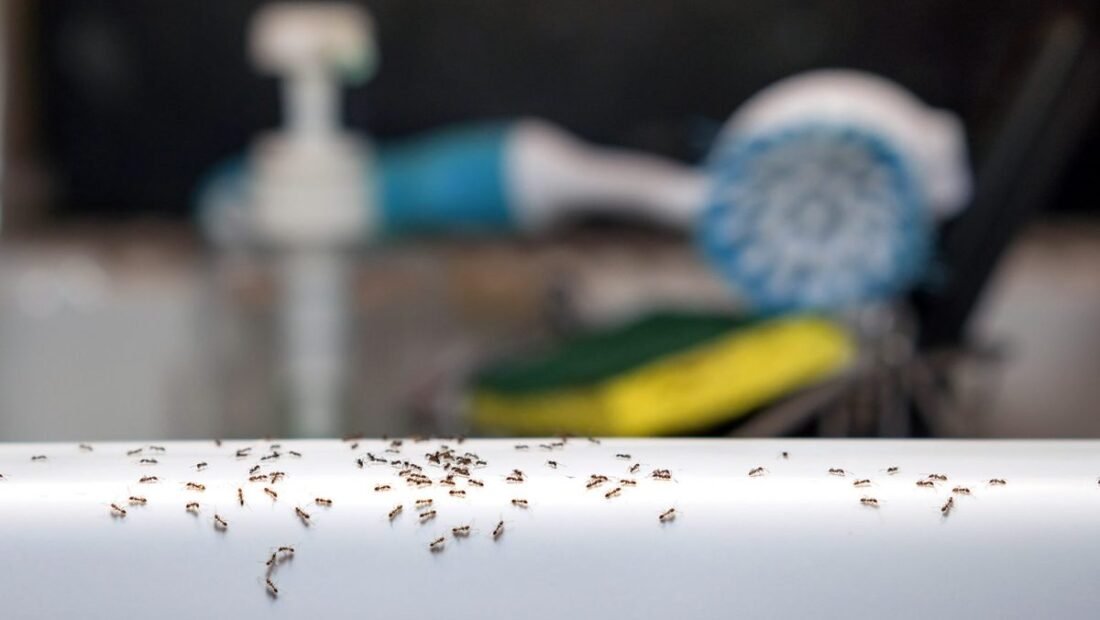
I once sprayed an ant trail with kitchen cleaner, felt victorious, and watched a new trail appear the next morning two feet to the left. That is when I learned the fundamental truth of ant control: killing the ants you see does nothing. The colony sends replacements. You have to kill the colony, and that requires thinking like an ant.
What is the best way to get rid of ants in the kitchen? Bait, not spray. Patience, not panic. Here is the strategy that actually works.
What Is the Best Way to Get Rid of Ants in the Kitchen?
Understand the enemy. The ants in your kitchen are foragers, maybe 10% of the colony, following pheromone trails to food and reporting back. Spraying foragers is mowing the lawn; the colony, possibly thousands strong inside your walls, just grows more. Bait works because foragers carry slow-acting poison back to the nest, feeding it to the queen and the brood. No queen, no colony. This takes days, not minutes, which is why impatient people fail at baiting.
The method: identify what attracts them (sugar or protein; test with a dab of honey and a dab of peanut butter to see which draws the crowd), place bait stations directly on the active trails, and then do the hardest part: leave them alone. What is the best way to get rid of ants in the kitchen with bait? Do not disturb the trails, do not spray near the bait, and resist cleaning the trail until the ants stop coming, usually 3-7 days. More ants at the bait initially means it is working; they are hauling poison home.
- Bait, never spray, the trails. Slow-acting bait kills the colony. Spray kills only foragers.
- Match bait to the ant’s taste. Sugar ants: sweet bait. Grease ants: protein bait. Test both.
- Place bait ON the trails. Where they walk, not where you wish they walked.
- Do not disturb for 3-7 days. More ants at bait = working. Patience is the active ingredient.
- Find and seal entry points. Caulk gaps around pipes, windows, doors. Steel wool for larger holes.
- Eliminate the food sources. Sealed containers, wiped counters, no dirty dishes overnight, pet food picked up.
- Fix moisture issues. Ants need water. Fix drips, ventilate damp areas, empty saucers.
- Trim vegetation touching the house. Ant highways from bushes to walls. Create a gap.
- Diatomaceous earth for barriers. Food-grade DE in wall voids and entry points. Mechanical killer, pet-safe when dry.
Prevention is the permanent fix. After the colony dies, seal entry points with caulk (ants enter through gaps you cannot see), store all food in sealed containers, wipe counters nightly, never leave dirty dishes overnight, and take out trash regularly. The kitchen that offers no food and no entry stays ant-free. Most recurring infestations trace to one unsealed gap or one forgotten food source, a pet bowl left out, a honey jar with a sticky lid.
When to Call a Professional
Call pest control when: baiting fails after two weeks (possible multiple colonies or a species that needs professional products), you see carpenter ants (large black ants that damage wood; they need professional treatment), ants are in the walls in large numbers with no kitchen trail (the nest may be structural), or the infestation recurs despite sealing and sanitation. Professional ant treatment runs $150-$300 and includes identification, targeted treatment, and exclusion advice. For carpenter ants, do not wait; they excavate wood like termites.
Identify your ant if you can: odorous house ants (tiny, smell like coconut when crushed) are the most common kitchen invader and respond well to sweet baits. Pharaoh ants need careful baiting (spraying makes them split into multiple colonies). Carpenter ants are big and need pros. Identification guides from university extension services are free and excellent.
Quick Answers to Common Questions
Why do ants keep coming back?
Because the colony survived. Spraying kills foragers only; the queen keeps producing. Or a food source or entry point remains. Successful treatment = dead colony + sealed entries + no food.
How long does it take to get rid of ants?
Baiting: 3-14 days for the colony to die. Prevention is ongoing. If no improvement in two weeks, reassess bait type and placement or call a pro.
Are ant baits safe around pets and kids?
Enclosed bait stations are low-risk when used as directed and placed out of reach. Avoid loose granular bait where pets roam. Borax-based DIY baits should be kept away from children and pets.
Does vinegar get rid of ants?
Vinegar disrupts pheromone trails temporarily, which can redirect foragers, but it does not kill colonies. Useful as a supplement to baiting, not a replacement.
My Ant Battle Checklist
- Bait the trails, do not spray. Slow-acting bait to the colony. 3-7 days patience.
- Match bait to taste. Sugar vs protein. Test both.
- Seal entry points. Caulk gaps, steel wool holes.
- Remove food and water. Sealed containers, wiped counters, fixed drips.
- Trim vegetation from walls. Cut the ant highways.
What I Would Do Next
Our ant war lasted nine days: three days of increasing ant traffic at the bait stations (deeply unsettling), then a sudden silence that has held for two years. The caulk gun sealed the pipe gap they were using, the honey lives in a sealed jar now, and the kitchen is a no-ant zone. Bait patiently, seal thoroughly, and the colony loses.
What is the best way to get rid of ants in the kitchen? Bait the colony, not the foragers; seal the entries; remove the food. Days of patience beats minutes of spraying, every time.
Put down the spray. Pick up the bait. Think like an ant, and win.
Related reading: How Much Does It Cost to Install Recessed Lighting.
Related reading: How Much Does It Cost to Replace Carpet with Hardwood Floors.
Related reading: What Is the Best Cheap Cut of Steak for Grilling.
For official guidance, check out the Department of Energy home efficiency guides and This Old House how-to articles.



