
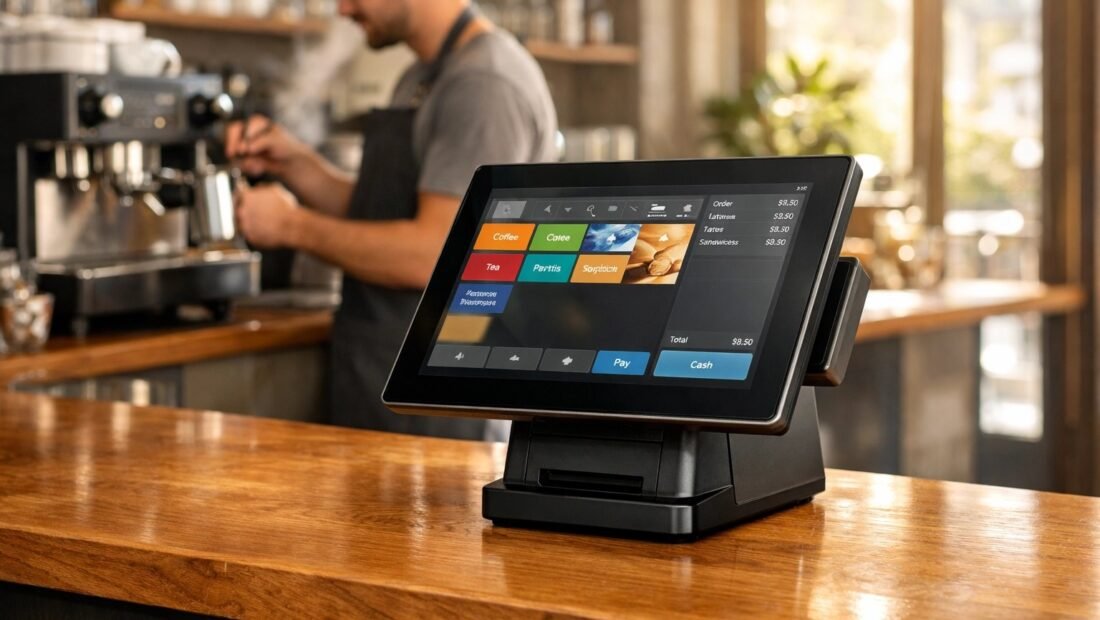
What is the best point of sale system for a coffee shop — it’s one of those questions that sounds simple until you actually need the answer. I’ve been down this road myself, and what I learned is that the real answer depends on a few details most people overlook. Let me walk you through what actually matters, what it typically costs or involves, and how to avoid the traps that catch everyone else.
The short version: there’s no single magic number or one-size-fits-all fix, but once you understand the moving pieces, the decision gets a lot easier. Below is everything I wish someone had told me upfront — the honest breakdown, the practical steps, and the mistakes worth dodging.
What is the Best Point of Sale System for a Coffee Shop: What You Need to Know
The best POS for most coffee shops is Square — free to start, dead simple, and its 2.6% + 10¢ processing fits coffee economics. But ‘most’ isn’t ‘all’: high-volume shops often save with Toast, and Clover suits specific needs. Coffee has particular POS demands (speed, modifiers, loyalty), so let’s compare on what actually matters to a café.
Square’s case: $0 monthly for the basic POS, free card reader, and paid hardware only if you want it (Square Register $799, Terminal $299). The software handles the coffee essentials beautifully — modifiers (‘oat milk,’ ‘extra shot,’ ‘light ice’) are easy to build, tickets fly to kitchen displays, and offline mode keeps selling during internet outages. Square Loyalty and Marketing are built in, not bolted on. For new shops, the zero upfront cost removes all risk. Related: our breakdown of How do I Hire my First Employee for a Small Business covers the numbers in detail.
The Details Most Guides Skip
Toast’s case: built specifically for food service, with stronger restaurant features — handheld devices for tableside ordering, advanced kitchen display routing, payroll and team management integrated. Pricing: $0–$165/month depending on plan, plus processing around 2.49% + 15¢. The catch: Toast requires its proprietary hardware and payment processing — you’re locked in. For a busy café doing serious food volume, the operational features justify it; for a simple espresso bar, it’s overkill. You can also check the U.S. Small Business Administration for the authoritative details.
Clover’s case: flexible hardware lineup and an app marketplace, popular with shops that want customization. But pricing is murkier — hardware from $0–$750+, software plans $15–$130/month, and processing rates vary by reseller (read the contract carefully; Clover’s reseller model produces the industry’s most confusing quotes). Clover makes sense if a specific app in its marketplace solves a problem for you; otherwise the complexity isn’t worth it.
Practical Steps That Work
- Square: best for most — $0/month, 2.6% + 10¢, free reader, great modifiers + offline mode.
- Toast: best for busy cafés — $0–$165/mo, ~2.49% + 15¢, deep restaurant features, hardware lock-in.
- Clover: flexible but confusing reseller pricing — only if a specific app justifies it.
- Do the math at YOUR $5 ticket: fixed per-transaction cents matter more than headline percentages.
- Must-haves: fast order entry, modifier trees, integrated loyalty, gift cards, offline mode.
- Never sign multi-year processing contracts with cancellation fees; negotiate every quote.
What Actually Affects the Outcome
The fee math for coffee: at a $5 average ticket, Square’s 2.6% + 10¢ = 23¢ per transaction (4.6% effective). Toast’s 2.49% + 15¢ = 27¢ (5.5% effective) — worse on small tickets despite the lower percentage, because the fixed 15¢ bites harder. This is why flat-rate processors favor coffee shops over percentage-focused ones, and why you should always calculate effective rate at YOUR average ticket, not the headline rate.
Coffee-specific features to demand in any system: lightning-fast order entry (morning rush waits for no POS), easy modifier trees, integrated loyalty (coffee’s repeat business lives on loyalty programs — ‘buy 9 get 1 free’ mechanics), gift cards, and employee time tracking. Nice-to-haves: online ordering integration, kitchen display routing for food items, and detailed reporting on your best/worst hours for staffing. For more on this topic, see What is the Best Way to Handle a Difficult Customer Complaint — it pairs well with what you just read.
My recommendation framework: new or small coffee shop → Square (free start, grows with you). Busy café with real food program → Toast (operational depth worth the lock-in). Existing Clover user with no complaints → stay. And whatever you choose, negotiate: processors compete hard for coffee shops, and asking ‘can you match Square’s effective rate?’ routinely shaves points off quotes. Never sign a multi-year processing contract with cancellation fees — the industry is moving away from them, and you should too.
Where People Go Wrong
- Choosing on headline percentage alone without calculating effective rate at coffee ticket sizes.
- Signing long-term contracts with cancellation fees — the industry standard is now month-to-month.
- Buying Toast’s full ecosystem for a simple espresso bar that Square handles free.
- Ignoring loyalty integration — coffee runs on repeat customers, and bolt-on loyalty gets ignored.
Questions People Ask
How much does POS hardware cost for a coffee shop?
Square: $0 (phone + free reader) to $799 (Register). Toast: typically $500–$1,000+ in proprietary hardware. Budget $300–$800 total for a solid Square setup.
Can I use my own tablet?
Square: yes, runs on iPads you own. Toast: requires Toast hardware. Clover: requires Clover hardware. BYOD saves hundreds with Square.
What about cash-only to avoid fees?
You’ll lose more sales than you save in fees — 80%+ of café transactions are card/mobile now. Price the fees into your menu instead.
How do I keep business and personal finances separate?
Open a dedicated business checking account on day one — it’s free at most online banks — and run ALL business income and expenses through it. Pay yourself with regular transfers to your personal account instead of spending directly. This separation makes taxes dramatically easier, looks professional to clients, and is legally essential if you formed an LLC and want its liability protection to hold up.
The Bottom Line
Square wins for most coffee shops — free to start, coffee-friendly features, no lock-in. Toast justifies itself for high-volume cafés with serious food programs. Calculate the effective rate at your average ticket, demand loyalty and offline mode, and never sign a contract with cancellation fees.
For more on this topic, see What is the Safest Way to Sell a Used Phone Online — it pairs well with what you just read.
Bottom line: a little homework now saves you money and stress later. Use the steps above, skip the common mistakes, and you’ll come out ahead of most people dealing with this.



