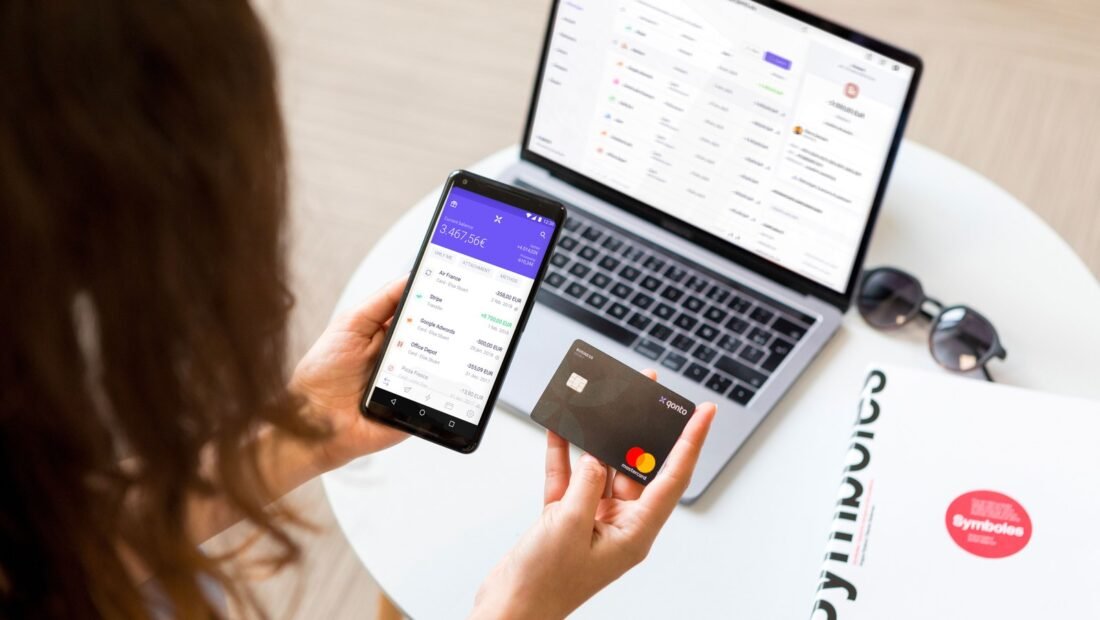
The client payment lands in your personal checking account, right between the grocery money and the rent, and for a while that feels fine. Then tax season arrives, and you are scrolling through eleven months of transactions trying to remember which deposits were income, which transfers were savings, and whether that hardware-store run was a business expense. This is the moment every freelancer eventually buys their way out of — the good news being that the way out is free and takes about ten minutes.
A separate business account is the purchase. There are three kinds worth considering, and the “best” one depends less on the bank than on how you work.
Option one: the big bank with branches — Chase and its kind
The case for. Chase Business Complete Checking is the mainstream pick, and the reasons are practical: a monthly fee of $15 that is waived with minimal activity, more than 4,700 branches nationwide, cash deposits accepted without fuss, and seamless transfers if you already bank with Chase personally. If your freelance work involves cash, checks from old-school clients, or any need to walk into a building and talk to a human, a branch network is a feature no app can copy.
The case against. You are a small fish in an ocean. The account earns nothing, the app experience for business is serviceable rather than delightful, and everything beyond the basics — wires, extra transactions, paper everything — tends to carry a fee with a footnote. It is a solid default, not a tailored tool.
Option two: online business checking — the free specialists
The case for. Online-first business accounts — providers like Novo and Bluevine built their reputations here — strip out the branch network and pass the savings on as no monthly fees and few transaction charges. They open entirely online in minutes, their apps are designed for people who run a business from a phone, and they integrate neatly with the accounting and payment tools freelancers actually use. For a freelancer paid by transfer and card, this category is usually the sweet spot: professional separation, zero rent paid to a bank.
The case against. No branches means no cash deposits — a real problem if clients pay in cash, a non-issue if they never do — and customer support lives in chat and email rather than across a desk. If your income is entirely digital, you will never miss the building. If it is not, you will.
Option three: all-in-one freelancer apps
The case for. A newer breed of app wraps banking together with the freelancer’s two least favorite chores: invoicing and tax. The strongest versions automatically set aside a percentage of every payment for taxes and estimate what you will owe, turning the quarterly estimated-tax scramble into a number someone else computed. For a solo freelancer who would rather design, write, or code than administrate, that automation can be worth more than any branch network.
The case against. You are trusting a young company with core plumbing. Features can change, pricing tiers appear, and moving a business’s banking is a nuisance you will not want to repeat annually. These apps shine for straightforward solo work; businesses growing toward staff, inventory, or complex payments usually graduate out of them.
The setup that matters more than the bank
Whichever option you choose, copy the structure the organized freelancers use: two accounts. A business checking account where all client money arrives and all business expenses leave. And a business savings account that exists for one purpose — taxes. Then automate the habit: every time a payment lands, transfer 25 to 30 percent of it straight into the tax account, before it can be spent. Tax bills stop being ambushes and become withdrawals from money that was never really yours.
This one habit is worth more than the difference between any two banks in this article, and it is also the moment your records become clean enough that tax software — or a bookkeeper, once you reach the size where hiring a bookkeeper starts paying for itself — can work from them without archaeology. The IRS’s small business and self-employed guidance makes the underlying point official: separate finances are the foundation every other business record stands on.
The overlooked fourth option: the local credit union
Between the giant banks and the apps sits the institution freelancers forget exists. Local credit unions offer business accounts with a flavor the others do not: low or no monthly fees, real branches you can walk into, and staff who will know your name by the third visit — because their business model is a community, not a funnel. The apps are plainer and the integrations thinner than the online specialists’, and if your work runs through five different software platforms that may settle it. But for a locally-based freelancer whose clients are businesses across town, the credit union is often the best ratio of service to cost in this entire comparison, and the application is a drive across town rather than a leap of faith in a startup. Ask two questions when you visit: what the business checking costs in a normal month, itemized, and whether they lend to businesses your size later. The second answer tells you whether this is a bank or a vault.
The feature list that actually matters
Bank marketing will drown you in features. For a freelancer, the honest shortlist is seven items. No monthly fee — or one waived by behavior you already have. Free ACH transfers in and out, because client payments and tax payments both ride them. A debit card and mobile check deposit, so money can move without a branch visit. Integrations with your accounting software, so transactions categorize themselves instead of awaiting your Sunday mood. Sub-accounts or an easy second savings account, for the tax pot. Sensible limits — daily transfer and deposit caps that fit your real invoices, not a coffee shop’s. And alerts: a phone buzz for every deposit means you learn a client paid before their email says so, which is a small daily pleasure no interest rate matches. Score any candidate bank against those seven, in writing, and the choice usually makes itself regardless of which category it came from.
When to switch — and why most people wait too long
Bank accounts feel permanent and are not. Switch when the fees creep (a “free” account that starts charging is a letter telling you to leave), when you hit a limit monthly instead of yearly, when the app or integrations start costing you the hours the account was meant to save, or when the business changes shape — first employee, first cash-heavy client, first loan application. The mechanics are a weekend: open the new account, move the standing payments, update the details on your invoices and payment platforms, run both in parallel for one cycle, close the old. Freelancers tolerate bad banking for years because the switch looks like admin — it is, all ninety minutes of it — and then enjoy the compounding quiet of an account that fits. Choose the bank the way you would choose a tool: for the work you actually do, reviewed when the work changes.
The fifteen-minute opening-day routine
When you have chosen, the setup deserves the same briskness as the decision. Open the checking account first and put a small starting balance in it. Open the linked savings account in the same sitting — later is how tax pots die unborn. Set the automatic transfer rule for tax money the same day, at 25 percent if you are unsure; the percentage can be tuned at your first quarterly estimate, but the habit cannot be retrofitted onto money already spent. Update your invoice template, your payment-platform payout settings, and the card on file for business subscriptions, so the separation is real from the next transaction rather than the next month. And file the account details somewhere your future bookkeeper or tax preparer can find without a phone call to you. Fifteen minutes, four small moves, and the boundary between the business’s money and yours exists in fact instead of in intention.
A word for freelancers with a business partner or a spouse in the business, because the account answer changes shape: you need an account that two people can access with their own logins and an audit trail, not a personal account with a shared password and a hopeful memory. This is a genuine point in favor of the traditional banks and credit unions, whose multi-user business access is mature, and a question to ask any app before trusting it with shared money: whose name is on the account, whose login sees what, and what happens to access if the partnership does. Five minutes of asking, before the first joint invoice lands, saves the least pleasant conversation in small business.
The verdict
Paid digitally, working solo, allergic to fees: take the online account, open the second savings account, set the automatic tax transfer, and forget about banking for a year. Paid partly in cash or checks, or comforted by a branch: Chase or your local equivalent earns its $15-waived fee. Drowning in admin and happy to trade money for time: an all-in-one app, chosen with eyes open about its youth.
But choose this week, whichever it is. The account itself is a ten-minute errand; the clean records it creates compound quietly all year, and the freelancer you will be at tax time is counting on the freelancer you are today.