
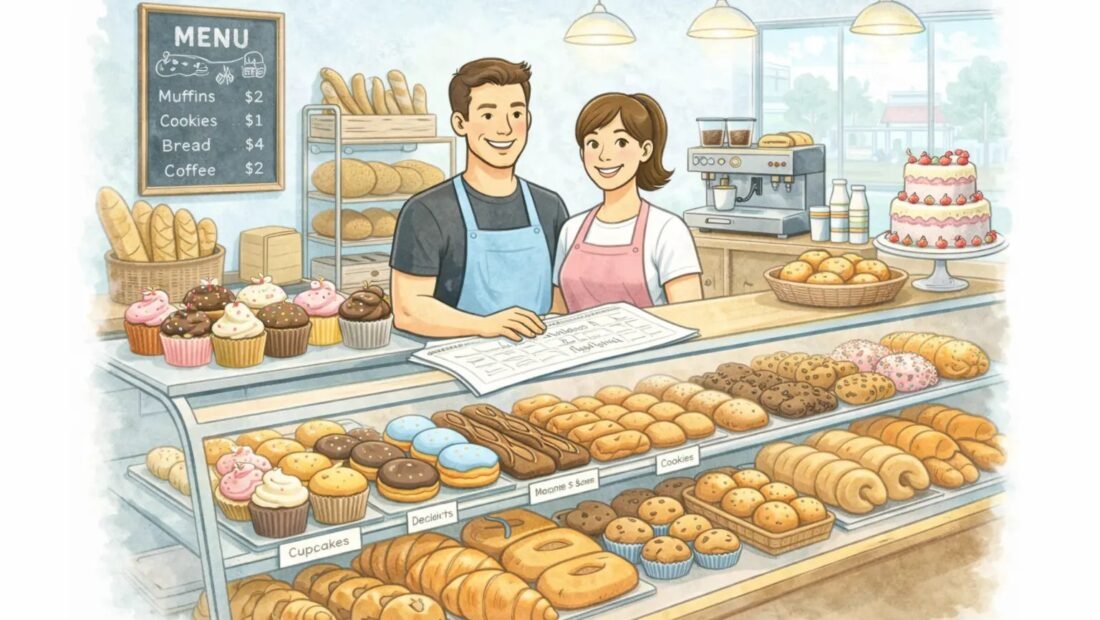
Sooner or later, most of us end up asking: how do I write a simple business plan for a small bakery? I asked the same thing not long ago, and the answers I found online were either vague or trying to sell me something. This guide is the opposite of that — straight talk, real numbers where they exist, and practical advice you can actually use today.
Whether you’re dealing with this right now or just planning ahead, it helps to know what’s normal, what’s overpriced, and what’s a flat-out bad idea. I’ve broken it all down below in plain English, no jargon and no fluff.
How do I Write a Simple Business Plan for a Small Bakery: What You Need to Know
You don’t need a 40-page business plan to open a bakery — you need a clear, honest document that proves the numbers work. For a small bakery, a lean one-to-three-page plan covers everything that matters: what you’ll sell, who’ll buy it, and whether the math works. Lenders and landlords take you seriously when you show up with one, and more importantly, writing it forces you to confront reality before spending money.
Start with the concept in one paragraph: what kind of bakery, where, and for whom. ‘A neighborhood sourdough-focused bakery in [town], selling artisan breads and pastries to local families and commuters, open 7am–2pm Tuesday through Sunday.’ Specificity is the whole game — ‘a bakery for everyone’ is a plan to fail. Your concept dictates your location, pricing, hours, and marketing, so nail it first. For more on this topic, see What is the Best Point of Sale System for a Coffee Shop — it pairs well with what you just read.
The Details Most Guides Skip
Next, the products and pricing — the heart of a bakery plan. List your core items with prices: sourdough loaves ($8), croissants ($4.50), custom celebration cakes (from $65). Then do the critical math most bakery dreamers skip: ingredient cost per item. A sourdough loaf might cost $1.20 in flour, water, salt, and energy — that’s an 85 percent gross margin, excellent. A decorated custom cake might cost $18 in ingredients plus 3 hours of labor — price it accordingly or it’s a hobby, not a business. You can also check the U.S. Small Business Administration for the authoritative details.
The market section answers: who buys, and why from you? Count your actual foot traffic — stand outside your potential location on a Saturday morning and count passersby. Identify competitors within a mile and note what they don’t offer (maybe nobody does good croissants, or everything closes by noon). Bakeries are hyper-local businesses; your market research is literally walking the neighborhood, not reading industry reports.
Your Action Plan
- One-paragraph concept: what bakery, where, for whom — specificity wins.
- Product list with prices AND ingredient cost per item (target 25–35% food cost).
- Market: count real foot traffic; find the gap competitors leave (croissants? morning hours?).
- Operations: location type, equipment ($5k–$15k deck oven), staffing, suppliers.
- Financials: monthly revenue minus all costs; must work at 60% of hoped sales.
- Funding + milestones: startup $30k–$100k retail / $5k–$15k home; break-even target date.
- Keep it to 1–3 pages; use SBA templates and free SCORE mentors.
What Actually Affects the Outcome
Operations covers the unglamorous essentials: where (leased retail space? home bakery under cottage food laws? farmers markets first?), what equipment (a commercial deck oven runs $5,000–$15,000; a home start needs far less), staffing (you plus one part-timer to start?), and suppliers (local flour mill? Restaurant Depot?). Lenders scrutinize this section — vague operations scream risk.
The financials are where plans live or die. Project monthly: revenue (average ticket × customers per day × days open), then subtract rent, ingredients (typically 25–35 percent of revenue for bakeries), labor, utilities, insurance, and loan payments. Be brutally conservative — assume 60 percent of your hoped-for sales for year one. If the numbers work at 60 percent, you have a business; if they only work at 110 percent optimism, you have a fantasy. For more on this topic, see What is Business Liability Insurance and do I Need it — it pairs well with what you just read.
Close with funding and milestones: how much you need ($30,000–$100,000 for a small retail bakery; $5,000–$15,000 for home-based), where it comes from (savings, SBA microloan, family), and your first-year milestones (break even by month 8, add wholesale accounts by month 6). Keep the whole plan under three pages — if you can’t explain your bakery in three pages, you don’t understand it yet. The SBA’s website offers free plan templates and, better, free mentors through SCORE who’ve done this before.
Common Mistakes to Avoid
- Writing ‘for everyone’ as the target market — unfocused bakeries lose to focused ones.
- Pricing from vibes instead of ingredient+labor math — custom cakes are the classic money-loser.
- Projecting year-one sales at 100% optimism; plans must survive at 60%.
- Skipping the foot-traffic count — the location IS the business for retail bakeries.
Questions People Ask
Do I need a business plan for an SBA loan?
Yes — lenders require one, and bakery loans get scrutinized on financials. The lean plan described here, done honestly, satisfies most microloan applications.
Can I start a bakery from home first?
In most states, yes under cottage food laws — far cheaper ($5k–$15k) and the smartest way to test recipes and demand before signing a lease.
How much does it really cost to open a small bakery?
Home-based: $5,000–$15,000. Small retail: $30,000–$100,000+, dominated by lease deposits, ovens, and build-out. Farmers-market-first: under $10,000.
How do I keep business and personal finances separate?
Open a dedicated business checking account on day one — it’s free at most online banks — and run ALL business income and expenses through it. Pay yourself with regular transfers to your personal account instead of spending directly. This separation makes taxes dramatically easier, looks professional to clients, and is legally essential if you formed an LLC and want its liability protection to hold up.
The Bottom Line
Write a lean 1–3 page plan: sharp concept, priced products with real food costs, walked-the-streets market research, concrete operations, and conservative financials that work at 60 percent of hoped sales. It’s both your lender document and your reality check — and free SCORE mentors will review it with you.
Worth reading next: What is the Best Budget Laptop for College Students Under $500.
If you remember one thing, make it this: don’t rush the decision. The few minutes you spend comparing options here will pay for themselves many times over.



