Fitting-room lighting, a top that gaps, fabric pulling across the hips, and a mirror that seems to have been installed by an enemy: swimsuit shopping has a reputation among plus size women that it has honestly earned. So which styles actually flatter a fuller figure — not in the language of catalog copy, but in the mechanics of support, proportion, and where the eye is led?
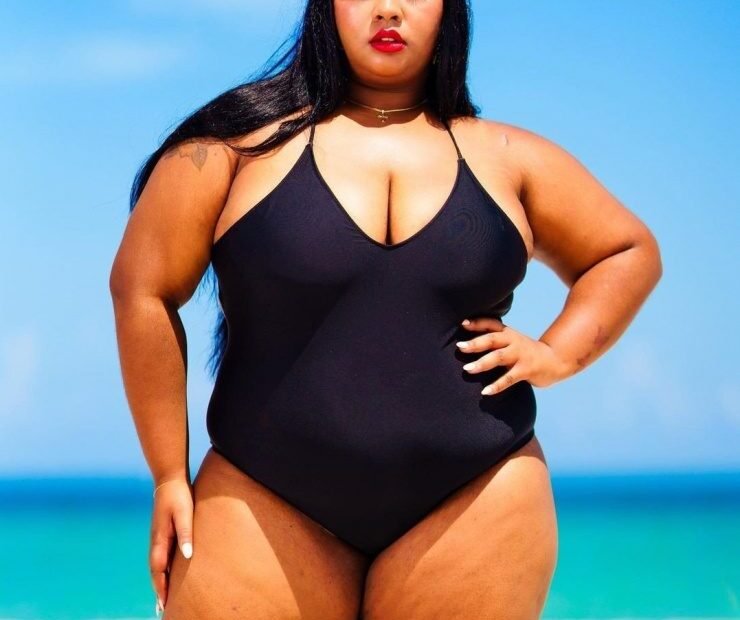
The short answer: the most flattering plus size swimsuits are built like good engineering. Real support up top (underwire or a proper band, sized like a bra), a waist-defining device (a wrap or surplice line, ruching, or a high-waisted bottom), color and pattern placed to lead the eye where you want it, and fabric with enough substance — including a power-mesh lining — to smooth rather than cling. One-pieces and two-pieces both qualify; the label matters far less than the construction. Here is how each of those elements works, how to test them in the fitting room, and the questions shoppers ask most.
Support comes first, because everything hangs on it
The single biggest difference between a swimsuit that flatters and one that merely covers is bust support, and the plus size ranges that understand their job borrow bra technology outright: underwire cups in actual band and cup sizes, molded or seamed cups that shape rather than compress, a snug underband that does the lifting (in bras, the band — not the straps — does most of the work, and the same physics applies in the pool), and wide, adjustable straps that distribute weight without carving shoulders. Shelf bras and soft triangle tops are fine for smaller busts and cruel to larger ones, because unsupported weight drags the whole silhouette downward and makes every other style feature irrelevant. When you try a suit on, do the bounce test and the bend test: if you have to rearrange yourself after either, the support is decorative. A suit that holds you properly changes posture, proportion, and confidence before a single print or color enters the decision.
Wrap and surplice: the waist, drawn diagonally
The wrap top — and its fixed cousin, the surplice, which crosses the fabric over the torso — is the most consistently flattering construction for fuller figures, and the reason is geometry. The diagonal line across the body creates a visible waist where a straight horizontal line cannot, draws the eye along the diagonal rather than letting it rest at the widest point, and accommodates a full bust gracefully by giving the fabric a direction to travel in. Surplice styles fake the wrap’s effect with sewn-down crossover, which is actually the better engineering for swimming, since a true tie-wrap can loosen in the water. Look for the crossover to sit high enough to feel secure and for the fabric beneath it to be lined or double-layered. If you try one style from this entire article, try this one: it is the closest thing swimwear has to a universal answer.
Ruching: camouflage with a mechanism
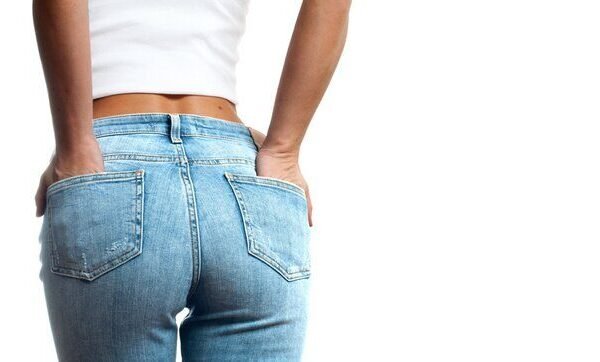
Ruching — fabric gathered into soft folds along the torso or hips — is often sold as magic and actually works by a mundane, reliable mechanism: the folds create a broken, textured surface that light cannot read as a single smooth contour, so the eye cannot settle on the exact outline beneath. It forgives the midsection in a way flat, shiny fabric never will. Two qualifications keep it honest. Ruching works best in matte fabrics with real substance; in thin shiny material the gathers just look strained. And placement matters — ruching concentrated at the sides and waist defines; ruching spread everywhere becomes visual noise. Combined with that power-mesh lining (a firm, breathable mesh inside better suits that smooths the whole torso), ruching is less a trick than a structure. It is the same fit logic that governs clothes on land — if you have ever fought the waist-gap battle in denim, the thinking in how to find jeans that fit curvy body types will feel familiar: buy for the largest circumference, engineer the rest.
Color placement: the cheapest flattery there is
Color in swimwear is not decoration; it is direction. The classic strategy — a darker base through the torso and hips with brighter color or pattern at the bust and near the face — pulls visual attention upward and lets the lower body read as one calm, unbroken field. Color-blocking does a related job: panels of darker fabric at the sides visually narrow the silhouette the way a shadow does, which is why side-paneled suits photograph so kindly. Prints follow a scale rule: medium-to-large prints in proportion to the body flatter; tiny ditsy prints on a fuller frame can read as visual static and, paradoxically, emphasize size by contrast of scale. And the oldest advice in this category deserves its retirement party: you are not required to wear black. Deep jewel tones — plum, teal, wine, navy — do the same slimming work as black with more life in them, and a color you feel radiant in beats a “correct” color you feel invisible in, because confidence is visible at fifty meters.
One-piece or two? The honest answer is: construction decides
The modern one-piece has genuinely evolved — cut-outs placed with intent, wrap constructions, high-cut legs that lengthen the leg line, skirted versions that are a style rather than an apology — and for many women it remains the most secure, streamlined choice. But the assumption that plus size requires a one-piece is outdated. A high-waisted two-piece puts its waistband at the narrowest point of the torso, offers the wrap-top and support engineering in its top half, and has the practical advantage every one-piece wearer knows about by the second hour at the beach. Tankinis split the difference for torso length and convenience. The deciding factors are support (does the top pass the bounce test?), waist definition (is there a line drawn somewhere flattering?), and how the suit behaves wet and in motion — not the number of pieces it came in. Current roundups like Refinery29’s plus-size swimsuit picks are useful for seeing which brands are building to this standard right now.
Two smaller dials fine-tune the result. The leg line: a slightly higher cut elongates the leg and sits more securely than a low, boy-short line on most fuller figures, though full-coverage bottoms win if you will be active — surfing, swimming lengths, chasing children — where staying put outranks silhouette. The neckline: a V or sweetheart line lengthens the torso and works with the wrap geometry, while high necklines suit long torsos and anyone wanting sun protection at the chest, where skin is thin and burns early. Neither dial overrides the big three — support, waist, fabric — but once those are right, these are the adjustments that make a good suit feel designed for you specifically.
Fitting-room forensics
Test like you mean it. Sit down in the suit, bend, reach overhead, and walk the length of the shop: leg openings that migrate and straps that need constant adjustment in the store will be unbearable by the water. Check the seat in the mirror — too little coverage rides, too much sags when wet. Fabric weight matters: hold the suit up and feel for substance, then check for a lining throughout, not just in the bust. Remember that swim fabric relaxes in water, so a suit that fits “just right, slightly loose” on dry land fits badly in the pool — you want snug, not strained. And buy for the body doing this summer’s swimming rather than a hypothetical future one; a great suit worn all season returns its cost many times over in un-self-conscious hours, which are the actual product being sold.
Questions, answered plainly
What brands do plus swim well? Look for ranges that size the top like a bra (band and cup, not just 1X/2X), offer dedicated plus lines rather than scaled-up straight sizes, and publish support details — the roundup linked above tracks the current standouts, and specialist plus retailers consistently outperform general ranges that treat plus as an afterthought.
How do I keep a suit from fading? Chlorine and sun are the enemies: rinse the suit in cool clean water as soon as you can after swimming, hand-wash gently with mild detergent, never wring it hard, and dry it in shade out of direct sun. Rotate two suits if you swim often — elastic needs a rest day to recover, the same rule as shoes — and keep sunscreen application off the fabric where you can, since some formulas yellow light colors.
Can I wear a bikini? If the top supports and the bottom sits at a waist that flatters you — yes, obviously, and the high-waisted modern version is one of the most reliable styles in this whole article. Permission was never the issue; engineering was.
The mirror in the fitting room is not the judge of anything. Judge by construction: supported, defined, smoothed, and comfortable in motion. A swimsuit built on those four will flatter you in the water, on the sand, and in every photograph the day produces — which is the whole point of the exercise.