The romantic image of the musician’s life is the tour: the van, the venues, the road. But touring is also the fastest route to burnout, broken relationships, and financial instability — and for Texas musicians with families, day jobs, or health constraints, it’s often simply not an option. Here’s what the touring mythology obscures: some of the most financially stable musicians in Texas never tour at all. They’ve built local, diversified music careers that pay mortgages without a single highway mile. This is the complete playbook for making a living as a musician without touring.
The Mindset Shift: Musician as Local Business
Stop thinking “how do I get discovered” and start thinking “how do I become indispensable to my local music economy.” Houston, Austin, Dallas-Fort Worth, and San Antonio each have deep, year-round demand for live music that has nothing to do with touring: weddings, corporate events, restaurants, churches, private parties, festivals. The musicians earning steady livings are the ones who treat this demand like a business — reliable, professional, diversified. Talent matters, but reliability matters more: the working musician’s reputation is built on showing up on time, sounding good, being easy to work with, and saying yes to the unglamorous gigs.
Revenue Stream 1: Private Events (The Bread and Butter)
Weddings and corporate events pay the best per-hour rates in local music:
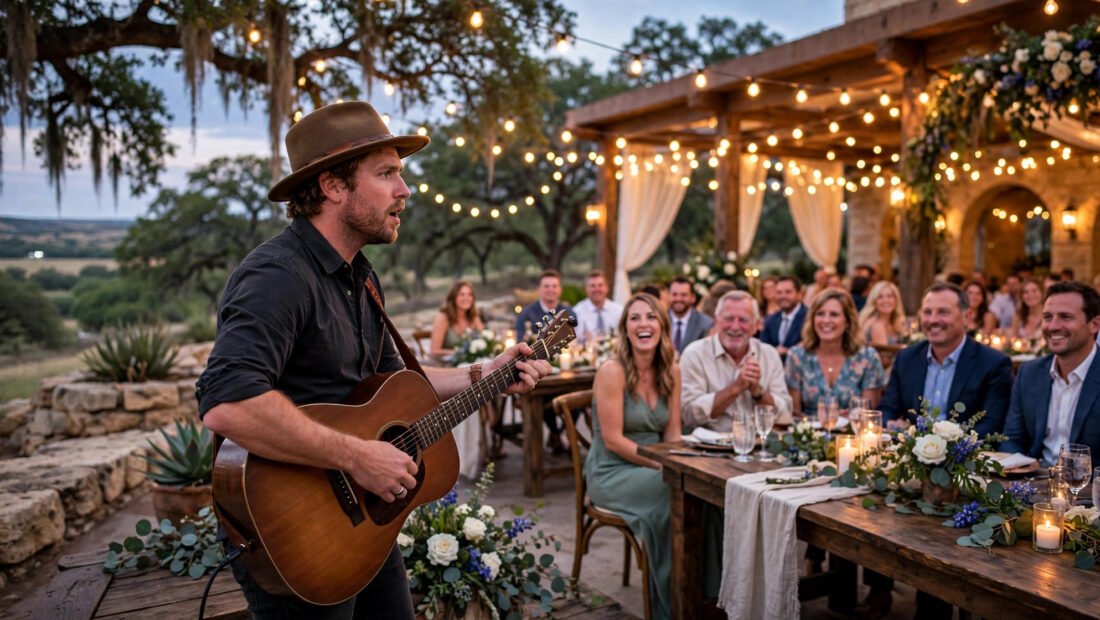
- Weddings: Texas wedding bands/musicians charge $1,500–$8,000+ per event depending on ensemble size and market. Solo ceremony guitarists earn $300–$600 for an hour’s work. The wedding industry in Texas’s major metros is enormous and year-round.
- Corporate events: holiday parties, conferences, company celebrations — $500–$2,500+ per musician per event, often on weeknights. Boring? Sometimes. Lucrative? Always.
- How to get in: join an established event band as a sideman first (they have the bookings), build a simple website with video of you performing, get listed on event-vendor platforms (The Bash, WeddingWire), and network with wedding planners — one planner relationship can mean dozens of gigs yearly.
Revenue Stream 2: Teaching (The Stable Base)
Private teaching is the most reliable income in music:
- Rates: $40–$80/hour in Texas metros for experienced teachers; $25–$40 starting out. Twenty students at $50/hour weekly = $4,000/month from teaching alone.
- Where: home studio, students’ homes (charge a travel premium), established music schools (they take a cut but provide students), or online (geography-free income).
- The multiplier: teaching improves your own playing, builds community reputation, and creates a referral network — students’ parents hire you for events.
- Group classes and workshops: higher hourly yield than one-on-one; summer rock camps and adult beginner workshops are growing markets.
Revenue Stream 3: Church and Session Work
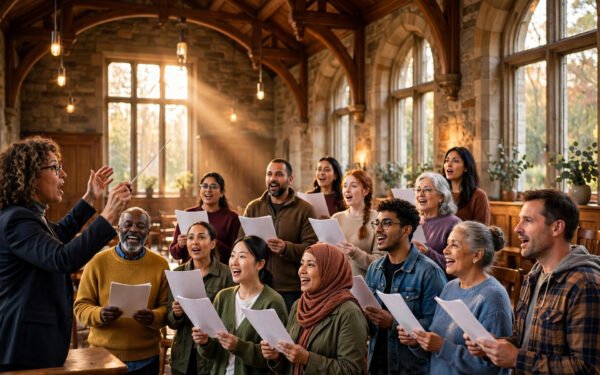
- Church musicians: Texas’s megachurches and large congregations employ full and part-time musicians — some of the steadiest paychecks in local music, often with benefits. Even part-time church gigs ($150–$400/Sunday) anchor a weekly income floor.
- Session work: recording demos, jingles, and tracks for other artists. Home-studio session players in Texas earn $100–$300 per track remotely — and remote session platforms (SoundBetter, AirGigs) make this geography-independent.
- Theater pits: Houston, Dallas, and Austin have active theater scenes hiring pit musicians per production ($500–$2,000 per run).
Revenue Stream 4: Content and Online Income
- YouTube/lesson content: slow to build, but Texas musicians with teaching channels earn from ads, sponsorships, and course sales. The key is consistency over virality.
- Online courses: package your expertise (e.g., “Texas blues guitar for beginners”) into a course on Teachable or Udemy — create once, sell indefinitely.
- Streaming royalties: honest assessment — streaming pays fractions of pennies; it’s marketing, not income, for local musicians. Release music for credibility and fan connection, not rent money.
- Licensing: placing original music in videos, podcasts, and ads via libraries (Artlist, Epidemic Sound) generates passive income from work you already created.
The Math: What “Making a Living” Looks Like
A realistic Texas non-touring musician income stack:
- Teaching: 15 students × $50/hr × 4 weeks = $3,000/month
- Weekend event gigs: 4 × $400 = $1,600/month
- Church Sunday: 4 × $200 = $800/month
- Session/remote work: $400–$800/month
Total: $5,800–$6,200/month ($70K–$74K/year) — without touring, without a record deal, without going viral. Not luxurious, but a real living, and it scales with reputation. The musicians achieving this share traits: diversified income (no single stream above 50%), professional business practices (contracts, invoicing, taxes — Texas has no state income tax, but self-employment tax still applies), and relentless reliability.
Business Realities Nobody Mentions
- You’re self-employed: budget 25–30% for taxes, get health insurance through the ACA marketplace, and fund your own retirement (SEP-IRA or Solo 401k). The SBA’s self-employment resources are a good starting point.
- Contracts for everything: even friendly gigs. A one-page agreement covering pay, time, cancellation terms, and equipment prevents 99% of disputes.
- Say yes strategically: early on, take everything to build reputation. Later, curate — the highest-earning local musicians are selective, which perversely gets them hired more.
- Your network is your net worth: other musicians refer overflow gigs constantly. Be the player everyone recommends: skilled, punctual, pleasant, prepared.
And keep growing musically — attending festivals affordably keeps you inspired and connected to the scene you’re part of.
Conclusion
Making a living as a musician without touring isn’t a consolation prize — it’s a deliberate, viable career model that thousands of Texas musicians live successfully. The formula: treat music as a local business, stack 3–4 income streams (events, teaching, church/session work, online), run the business professionally, and be relentlessly reliable. You won’t have tour stories. You’ll have something better: a mortgage paid by music, weekends at home, and a decades-long career instead of a five-year burnout. The road will always be there. You don’t need it. The U.S. Copyright Office explains how to protect your songs — essential knowledge before any release earns a dollar.
Frequently Asked Questions
How much do wedding musicians make in Texas?
Solo ceremony musicians earn $300–$600 per wedding; full event bands charge $1,500–$8,000+ depending on size and market. Corporate events pay $500–$2,500+ per musician. These are the highest hourly rates in local music. For more detail on a related topic, see our article on how to find new music similar to your favorite bands.
Can you make a living just teaching music?
Yes — 20–25 weekly students at $40–$80/hour generates $3,200–$8,000/month. It’s the most stable income in music, though most musicians combine it with gigging for variety and higher total earnings.
Do I need a music degree to make a living as a musician?
No. Clients and students care about your playing, teaching ability, and professionalism — not your diploma. A degree helps for institutional teaching jobs (schools, universities) but is irrelevant for private teaching, gigging, and session work.
How do I find my first paying gigs?
Start as a sideman with established event bands (they have bookings and need reliable players), list on event platforms like The Bash, network with wedding planners and venue managers, and play open mics to meet collaborators. Reliability gets you hired; talent gets you rehired.
Is streaming income enough to live on as an independent musician?
No — streaming pays roughly $0.003–$0.005 per stream; a million streams is ~$3,000–$5,000. Treat streaming as marketing and credibility, and build actual income from teaching, events, sessions, and licensing.