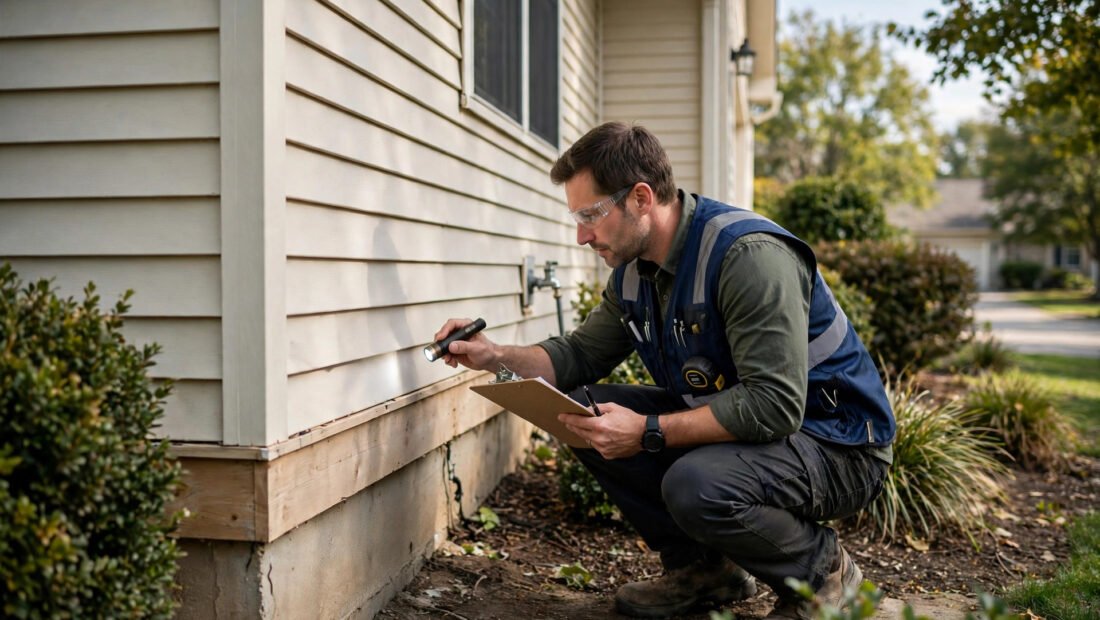
In Texas, the home inspection is the buyer’s single best defense against a six-figure mistake. For a few hundred dollars, a licensed inspector spends two to four hours crawling through the attic, testing every outlet, and documenting the condition of systems most buyers never think about until they fail. Yet many Texas buyers treat the inspection as a formality — or worse, waive it to win a bidding war. Understanding exactly what an inspection covers, what it does not, and how Texas licensing shapes the process will help you get full value from it.
What a Texas Home Inspection Covers
Texas inspectors are licensed by the Texas Real Estate Commission (TREC), which sets Standards of Practice defining what must be inspected. A standard inspection covers the structural systems and components visible and accessible at the time of inspection:
- Foundation and structure: slab, crawlspace, framing, and signs of settlement or movement — critical in Texas clay-soil regions.
- Roof: covering materials, flashing, drainage, and visible decking. Texas hail damage is common; inspectors document it but do not climb dangerously steep roofs.
- Plumbing: water supply, drains, water heater, fixtures, and visible piping. Inspectors run fixtures but do not pressure-test sewer lines.
- Electrical: service panel, breakers, outlets, switches, GFCI protection, and visible wiring. Aluminum wiring in 1970s Texas homes gets flagged.
- HVAC: heating and cooling equipment operation, ductwork condition, and temperature differential. In Texas heat, an aging condenser is a budget item, not a surprise — if the inspection catches it.
- Appliances: built-in appliances are operated through basic cycles.
- Interior/exterior: walls, ceilings, floors, windows, doors, grading, and drainage around the foundation.
The inspector delivers a written report — in Texas, on the TREC-promulgated form — rating each item as deficient or not, with photos. Expect 25 to 50 pages. Read all of it; the summary alone misses context.
What Inspections Do NOT Cover
The exclusions matter as much as the inclusions. A standard Texas inspection does not include: sewer line scoping, mold testing, termite/WDI inspection (separate licensed service), radon testing, asbestos or lead testing, pool equipment deep evaluation, septic system evaluation, or engineering analysis of foundation movement. Inspectors also do not move furniture, open walls, or test for code compliance.
In Texas, three add-ons are worth strong consideration depending on the property: a termite inspection (subterranean termites are active statewide), a sewer scope on homes older than 25 years (cast-iron and clay lines fail expensively), and a foundation evaluation by a structural engineer if the general inspection notes significant movement. Each costs $75 to $400 — trivial against the five-figure repairs they can reveal. The TREC consumer resources page explains inspector licensing and what the standards require.
How to Choose an Inspector in Texas
Verify the license on TREC’s website — unlicensed inspection activity is illegal in Texas. Beyond the credential, look for inspectors who:
- Carry errors-and-omissions insurance and general liability coverage.
- Encourage you to attend the inspection (the walkthrough education is worth as much as the report).
- Use thermal imaging and moisture meters as standard tools, not upsells.
- Have specific experience with the home’s age and construction type — pier-and-beam, slab, stucco, and brick each have characteristic failure modes in Texas.
- Deliver the report within 24 hours with clear photos and plain-language explanations.
Cost typically runs $350 to $600 for an average Texas home, scaling with size and age. This is not the place to bargain-hunt: the cheapest inspector often produces the thinnest report. Ask your agent for two or three names, then interview them yourself.
Using the Report: Negotiate, Don’t Panic
Every inspection finds deficiencies — even new construction. The report is a negotiation tool and a maintenance roadmap, not a pass/fail exam. Categorize findings into three buckets:
Safety and structural issues
Active water intrusion, electrical hazards, gas leaks, major foundation movement, failed sewer lines. These justify repair requests, credits, or price reductions — and are legitimate deal-breakers if the seller will not engage.
Deferred maintenance
Aging HVAC, worn roofing near end of life, deteriorating caulk and flashing, and original windows past their prime (see what replacing old windows costs before you negotiate). These are predictable costs to budget for, and reasonable grounds for a credit — but rarely reasons to walk away from an otherwise sound home.
Cosmetic and minor items
Sticky doors, dripping faucets, cracked outlet covers. Note them for your own punch list; demanding seller repairs for these in a competitive market makes you look unserious.
Under the TREC contract, your leverage depends on your option period and any inspection-related addenda. Findings discovered during the option period can support termination for any reason; afterward, you negotiate within the contract’s repair-amendment framework. Texas-specific concerns like whether a wall is load-bearing before removing it often surface when buyers plan post-purchase renovations — flag those plans with the inspector during the walkthrough.
New Construction Inspections: Yes, Really
Many Texas buyers skip inspections on new construction — “it’s brand new, what could be wrong?” Plenty. Municipal code inspections check code compliance, not quality: missing insulation, unsealed ductwork, improper flashing, grading that drains toward the foundation, and cosmetic defects the builder should fix under warranty. Smart new-construction buyers order three inspections: pre-drywall (framing, plumbing, electrical, and HVAC rough-in while walls are open), final pre-closing, and an 11-month warranty inspection before the builder’s one-year workmanship warranty expires. The 11-month inspection is the highest-ROI $400 in new construction — it generates the warranty punch list while the builder still owes you fixes.
Should You Ever Waive the Inspection?
In frenzied markets, buyers waive inspections to make offers more attractive. Understand what you are trading: the average Texas inspection uncovers $5,000 to $15,000 in deficiencies the buyer could not see. Waiving means accepting all of it blind. If you must compete without a full contingency, consider a middle path — an informational inspection (no repair requests, but you can still walk during the option period) or a pre-offer inspection on a serious contender. Never waive on homes over 20 years old, pier-and-beam construction, or properties with visible foundation or drainage concerns.
Conclusion
A Texas home inspection covers the visible, accessible condition of every major system — foundation, roof, plumbing, electrical, HVAC, and appliances — delivered as a detailed TREC-formatted report. It does not cover sewers, termites, mold, or engineering analysis unless you add those services. Hire a licensed, insured inspector with the right tools, attend the walkthrough, read the full report, and negotiate from the findings with a cool head. The $500 you spend is the cheapest insurance in the entire transaction — it is the difference between buying a home and buying someone else’s problems.
Frequently Asked Questions
How much does a home inspection cost in Texas?
Typically $350 to $600 for an average single-family home, depending on size, age, and add-on services like sewer scoping or termite inspection.
Are home inspectors licensed in Texas?
Yes. Inspectors must be licensed by the Texas Real Estate Commission, which sets Standards of Practice. Verify any inspector’s license on TREC’s website before hiring.
Does a Texas home inspection include termites?
No. Wood-destroying insect inspection requires a separate licensed pest professional. Given termite activity across Texas, ordering one alongside the general inspection is standard practice.
Can I attend my home inspection in Texas?
Yes, and you should. Most inspectors welcome buyers at the walkthrough — it is the best education you will get about the specific house you are buying, and the American Society of Home Inspectors recommends attendance as standard practice.