
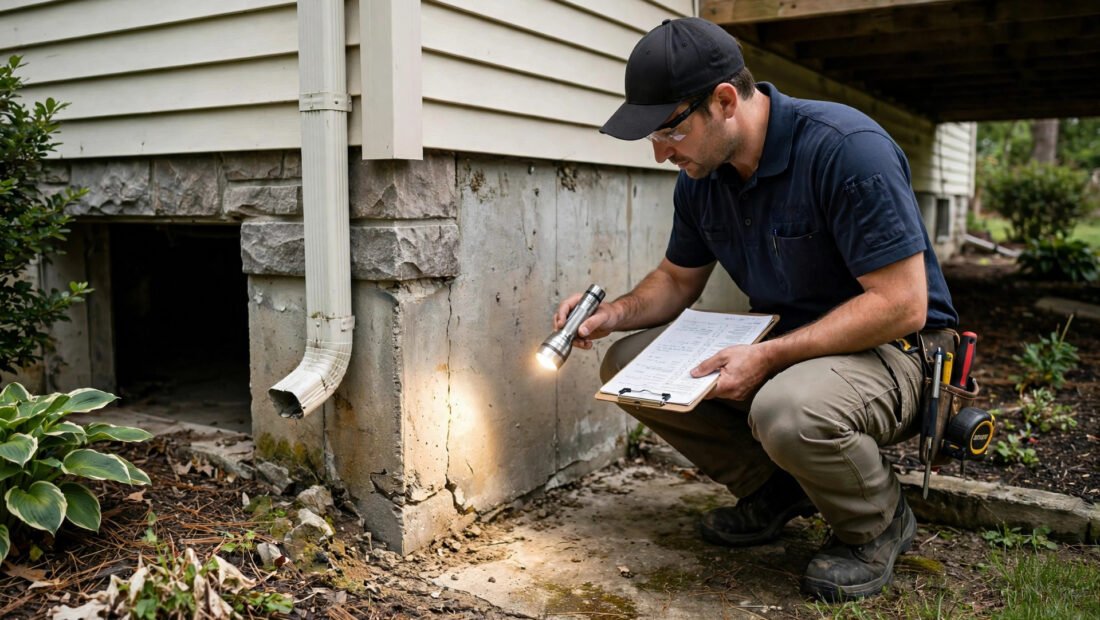
The report lands in your inbox at about forty pages, and it reads like the house is falling down. Every page seems to carry a warning, a photo with a red arrow, and a problem that sounds like five figures to fix. Take a breath before you take any of it to the seller. A long report is what a thorough inspection looks like. Most of those pages are noise that nearly every Texas house makes. A few pages matter a great deal. Your job in the option period is to tell them apart — and to avoid the early moves that turn a manageable report into a bad deal.
The Mistakes to Avoid First
1. Panicking over the whole list
Inspectors are paid to document everything they find, from a cracked outlet cover to a cracked slab. Their reports group cosmetic wear, routine maintenance, safety notes, and true defects in the same flat tone, because the report is a record, not a verdict. A first-time buyer who reads forty pages of findings as forty disasters will either flee a sound house or spend the negotiation on the wrong items. Length alone tells you the inspector was thorough. It tells you nothing about whether the house is a good buy.
2. Skimming past foundation and roof because the list is long
The opposite error is just as common. Faced with a huge list, buyers fixate on visible, easy items — a dripping faucet, a sticking door — and skim the two lines about soil movement or roof age that carry ten times the cost. Read the report backwards if you must: structure, roof, major systems first, cosmetics last. Attention should follow money and risk, not the order the inspector walked the rooms.
3. Asking the seller to make the repairs
It feels tidy to hand the seller a list and ask for a fixed house. It rarely ends tidy. A seller who must repair an item has every reason to hire the cheapest option and meet the lowest acceptable standard, because the seller will not live with the result. You will. A price cut or a credit at closing, sized to a real quote, puts the money and the choice of contractor in your hands. In most cases that control is worth more than a seller-managed repair, even when the dollar figures look equal on paper.
4. Skipping specialist inspections to save a few hundred dollars
A general inspection points at concerns. It does not price them or settle them. Declining a $400 engineer visit to save money, while negotiating blind over a possible $20,000 foundation problem, is saving at exactly the wrong end of the deal. Specialists turn a vague fear into a number or a clean answer, and numbers are what negotiations run on.
5. Losing track of the option-period deadline
In Texas, your unrestricted right to walk away lives inside the option period. Once that window closes, your leverage changes completely and your earnest money is at risk. Every other step — reading, specialist visits, quotes, the negotiation itself — has to fit inside that window. Put the deadline on a calendar the day the contract is signed, count the days out loud with your agent, and work backwards from it. A perfect objection sent a day late is worth very little.
Calibrate: Separate Cosmetics From What Matters
With the mistakes named, sort the report into two piles. Pile one is cosmetic and routine: scuffed paint, minor caulk gaps, a loose handle, small drywall cracks, aging but working fixtures. Every lived-in house has a list like this. It is the cost of owning any home, not grounds for a price fight.
Pile two is short and serious: the Big Four covered next, plus safety hazards and active water intrusion. Active leaks deserve their place near the top, because water quietly damages everything it touches and turns small repairs into large ones. Focus your time, your specialist budget, and your negotiation on pile two. Conceding the cosmetic pile gracefully also buys credibility: a seller who sees a buyer ignore the noise takes the real claims more seriously.
Texas’s Big Four, With Real Price Ranges
Foundation
Stair-step cracks in brick, doors that will not close, and sloping floors are the classic signs that get an inspector’s attention in Texas, where clay soil moves slabs as it wets and dries. Repairs run about $5,000 to $30,000 or more. Before you price a repair, hire a structural engineer for about $400 to $700. An engineer tells you whether movement is historic and stable or active and ongoing, and that single distinction decides whether you are looking at a modest fix, a major project, or a house to leave alone.
Roof
When a report says a shingle roof is at the end of its useful life, read a replacement cost of about $10,000 to $20,000 within the next few years, and plan for it rather than panicking about it. Always ask the roof’s age and material. Architectural shingles typically last 20 to 30 years in Texas heat; lighter 3-tab shingles last about 15 to 20. A roof with five good years left is a budget item. A roof already leaking is a negotiation item. The difference is worth real money.
HVAC
A full HVAC replacement runs about $6,000 to $12,000. Age, refrigerant type, and whether the system cools the whole house evenly tell you how urgent that bill is. In a Texas summer, a failing system is not a comfort issue alone; it affects your ability to live in the house from the day you close. Get the system’s age in writing and, on an older unit, a specialist’s view before you finalize your ask.
Mold
Mold remediation runs about $2,000 to $10,000, driven by how far moisture has spread and what has to be opened to reach it. Texas humidity feeds mold wherever water sits: under slow leaks, around poorly vented bathrooms, and in damp wall cavities. Treat the moisture source as the real problem. Cleaning visible mold without fixing the leak that fed it buys a short pause, not a solution.
The Other Price Tags Worth Knowing
Beyond the Big Four, keep a few more Texas ballparks beside you while you read. A sewer line repair or replacement runs about $5,000 to $15,000. A water heater runs about $1,200 to $2,500. An electrical panel upgrade runs about $1,500 to $3,000. None of these is a reason to walk away on its own. Together with a Big Four item, though, they change the true cost of the house, and they belong in the same honest total when you decide what to ask for.
Your Four Paths
Once the piles are sorted and priced, you have four paths. First, accept the house as-is. That is the right call when pile two is empty or trivial and the price already reflects the home’s condition. Second, ask for repairs. Use this narrowly, for clear safety items or lender-required fixes, and define the standard in writing if you use it at all.
Third, ask for a credit or a price adjustment. A direct approach works well here: name the real cost from a real quote and adjust the offer by most of it. You could frame it along these lines: the roof needs about $15,000 of work, so the price should come down by close to that amount. Sellers often prefer this path because it closes cleanly without them managing contractors. Fourth, walk away inside the option period. The option fee plus the inspection, roughly $400 to $700 in total, is cheap tuition compared with buying a house whose true cost you now know and cannot accept.
Questions about timing and leverage often lead buyers to ask about whether to waive the inspection to win a bidding war. A report like this one is the answer in full: the inspection is what turns unknown risk into priced decisions, and giving it up means pricing nothing at all.
What Sellers Must Disclose in Texas
Texas sellers complete a seller’s disclosure notice covering the condition of the property and known defects, and the Texas Real Estate Commission’s contract and disclosure guidance sets out the forms and rules behind that duty. Read the disclosure beside the inspection report, not instead of it. Where the two agree, you have solid ground. Where the inspection finds a serious condition the disclosure does not mention, ask questions while the option period is open, and put those questions and answers in writing. Keep the disclosure in the file after closing as well; it is part of the record of what you were told.
The Specialist Inspections Worth Paying For
- Sewer scope, about $150 to $300: a camera run through the main line to check for roots, bellies, and breaks.
- Termite and wood-destroying insect inspection, about $75 to $150: a low cost for a real Texas risk.
- Roof certification, about $150 to $300: a roofer’s written view of condition and remaining life.
- Mold testing, about $300 to $600: useful when moisture or musty odors suggest a hidden problem.
- Pool inspection, about $200 to $400: equipment and structure checked by someone who works on pools daily.
- Foundation engineer, about $400 to $700: an elevation survey and a written opinion on movement.
You will not need all of them on every house. Order the ones the general report points to. On older homes, a total specialist budget of about $1,000 to $2,000 is common, and it is the highest-value money in the whole transaction, because it replaces guesses with documents a seller cannot wave away.
A Simple Budgeting Rule
Two rules close the process. First, get real quotes for anything estimated over $5,000. Ballparks are fine for sorting a report; they negotiate poorly and plan worse. A contractor’s written number changes both the conversation and your own decision. Second, add a 20 percent contingency to every repair budget. Older houses hide surprises behind the first wall opened and under the first fixture removed. A buyer who priced the known work and reserved a fifth more for the unknown can absorb those surprises. A buyer who spent the whole budget on paper cannot.
A forty-page report is not a failing grade. It is a map. Read the costly pages first, price them with specialists, keep your deadline in sight, and choose one of the four paths on real numbers.



1 Comment