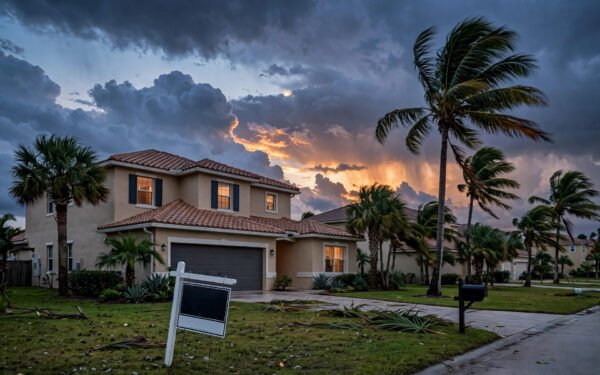
Your agent gives a small shrug and says the winning bid will waive the inspection. Everyone’s doing it, the agent adds, as if that settles the matter. It does not. That one choice can be the reason you win the house, and it can also be the reason a huge repair bill lands on you with no way back. The right answer depends on the house, your cash, and what you give up when you sign. A calm look at each side beats copying the crowd.
What Waiving Actually Surrenders
In Texas, the inspection right works through the option period. You pay for a set window of time, and during that window you hold an unrestricted right to walk away. You can leave for a bad inspection, a bad feeling, or almost any reason tied to the deal, and the option fee is the price of that freedom. The inspection itself usually happens inside that window, which is why the two ideas get mixed up so often.
Waiving the inspection protection does not mean you cannot inspect. You can still hire an inspector and pay for a full look at the house. What you lose is the legal power to act on the results. If the report shows a failing roof, cracked slab, or bad wiring, you cannot walk away over it and you cannot force a new round of talks on price or repairs. You learn the bad news and you still close, on the terms you already signed.
That split matters. Knowledge without an exit right helps you plan. It does not protect your budget. Before you agree to any waiver, read the exact words in the contract and ask what right is being removed. Some offers waive repair requests but keep the right to end the deal. Others remove both. The difference between those two versions can be worth tens of thousands of dollars, so treat the wording as the decision itself. Sellers and agents use short labels in conversation, but the contract is what a court or a closing table will follow.
The Math of the Gamble
Put numbers on the risk before emotion takes over. One rough way to do that is to weigh the chance of a major hidden problem against the cost if it shows up. Take a 1970s Texas home as an example. Suppose there is a rough 25 percent chance of an $18,000 problem hiding in the slab, the pipes, or the roof. Multiply the chance by the cost and the expected cost of the gamble is about $4,500. That figure is not a bill you will pay for sure. It is the fair average price of the risk across many similar bets.
Then weigh that figure against the real value of winning this house. Winning may save you months more searching in a tight market. It may protect a rate lock that is about to expire. It may end rent payments that keep draining cash while you hunt for the next listing. Those gains are real, and they belong on the same page as the risk. If the value of winning is large and you can absorb the worst case, the gamble may be priced fairly. If the value of winning is mostly fear of missing out, the math looks much weaker.
The worst case deserves its own line too. Expected cost is an average. Your house will not send you an average bill. It will send either a small bill or the full one. Ask whether the full bill, paid in the first year, would still leave you able to live in and keep the house. If the answer is no, the average does not save you.
When Waiving Can Be Defensible
Some buyers can waive with open eyes. The case is strongest when several of these points fit at once, not just one of them.
- The home is under about 10 years old and shows no visible issues, so the odds of a major hidden failure are lower than in an older house.
- You hold deep reserves. A $20,000 surprise after closing would hurt, but it would not distress you or put the mortgage at risk.
- The waiver buys a real discount or a real win, because contingent offers genuinely lose this bidding war and sellers have made that clear.
- You already pre-inspected the home, so you are waiving a right you no longer need as much, rather than waiving knowledge itself.
- You are an experienced investor who can read a house well, price repairs fast, and walk into risk as part of a plan.
When Waiving Is Reckless
The reckless cases are just as clear, and they show up often in hot Texas markets.
- The home was built before the 1990s. Older Texas homes carry foundation movement, cast-iron plumbing, aluminum wiring, and roof risks that a trained inspector is far more likely to catch than a buyer on a tour.
- Your reserves are thin. A $15,000 roof on top of a stretched purchase is not a setback. It is a crisis that can lead to debt, deferred repairs, and stress in the first year of owning the home.
- The house already shows warning signs. Stains on ceilings, cracks in walls or brick, sloping floors, and musty smells are the house telling you something plain. Never waive when the warning is in front of you.
- You are overbidding and waiving at the same time. Paying over the odds already creates the winner’s curse, where the winner paid more than the house was worth to the rest of the market. Adding a blind condition risk on top of that stacks two gambles into one signature.
- The seller refused pre-inspection access. A seller who blocks a look before the offer while pushing you to waive protection is asking you to carry risk they will not help you measure. That refusal is information by itself.
If two or three of these fit your deal, the waiver is not a smart tactic. It is hope dressed as strategy. Learning how to handle the problems a home inspection finds shows why the right to act on a report matters so much once a serious defect appears.
The Middle Paths Most Buyers Never Hear About
Waiving everything and demanding everything are not the only two choices. Skilled agents shape the inspection terms so a seller feels protected from delay and nitpicking, while the buyer keeps cover against disaster. Present these options as one package, and you signal that you are serious and reasonable at the same time.
Pre-inspection before you offer
Pay $400 to $600 to inspect the home before you submit the offer. You then know the condition when you set your price and terms. If the report is clean enough, a waiver after that point rests on facts, not nerve. If the report is bad, you saved yourself a bidding war for the wrong house. The fee is lost if you do not win, which is the real cost of this path, so save it for homes you badly want.
Threshold contingency
Agree that you may end the deal only if needed repairs pass a set figure, for example $15,000. Small faults become your problem, as the seller wants. A cracked slab or dead system stays your right to refuse. This split matches how most people truly feel: they fear the huge bill, not the loose handle.
Repair caps
Ask the seller to address issues up to a set amount, for example $5,000, with costs past that point open to fresh talks or an exit. Caps calm sellers who fear an endless repair list, and they keep a floor under your risk on the items that matter most.
Accelerated timelines
Offer to finish inspections in 3 to 5 days instead of 10. Speed has real value to sellers, who fear long windows where a deal can die while other buyers move on. A short, firm timeline can win goodwill that a full waiver would have bought, at far less risk to you. Make sure your inspector can actually meet the dates before you promise them.
How to Win Without Waiving Blind
Price is only one lever in a bidding war. Sellers also care about certainty, ease, and timing, and each of those can be strengthened without giving up your exit right.
- Use an escalation clause up to a clear cap, so you beat rival bids by a set step without paying far past the next offer.
- Offer flexible closing and possession dates, including a leaseback if the seller needs time to move. Ease of exit from their own home matters to many sellers as much as a small price gain.
- Put down larger earnest money, around 1 to 2 percent, to show you are committed and able to close.
- Bring a full pre-approval from a local lender sellers trust, not a weak early letter. A lender who answers the phone and has a name in the local market can calm a seller’s fear that finance will fail.
- Keep the rest of the terms clean. Fewer side demands make your offer easier to accept and easier to close.
Used together, these moves tell a seller the deal is likely to finish on time and without drama. That story often beats a slightly higher bid that looks shaky. Ask your agent to explain your package in those terms when the offer is sent.
Verdict
Waive only when the defensible column genuinely describes you: a newer home or a pre-inspected one, deep reserves, real skill at judging condition, and a clear gain from waiving that you can name. If you have to talk yourself into that description, it does not fit.
For a first-time buyer stretching into an older Texas home, the middle paths are the better answer. A pre-inspection, a threshold, a repair cap, or a fast timeline can win the house without betting the house. You compete hard, you respect the seller’s fear of delay, and you keep the one right that protects you from the bill you cannot afford. Before you sign any version of a waiver, check the contract terms against the Texas Real Estate Commission’s contract guidance and your agent’s advice on the exact form in front of you.