It is the classic Texas first-buyer fork in the road: the townhouse in the walkable inner-loop neighborhood, or the single-family home with a yard twenty minutes further out — often at strikingly similar prices. Both build equity, both get you out of renting, but they deliver profoundly different lifestyles, costs, and investment profiles. Here is how to choose with eyes wide open.
The Fundamental Tradeoff
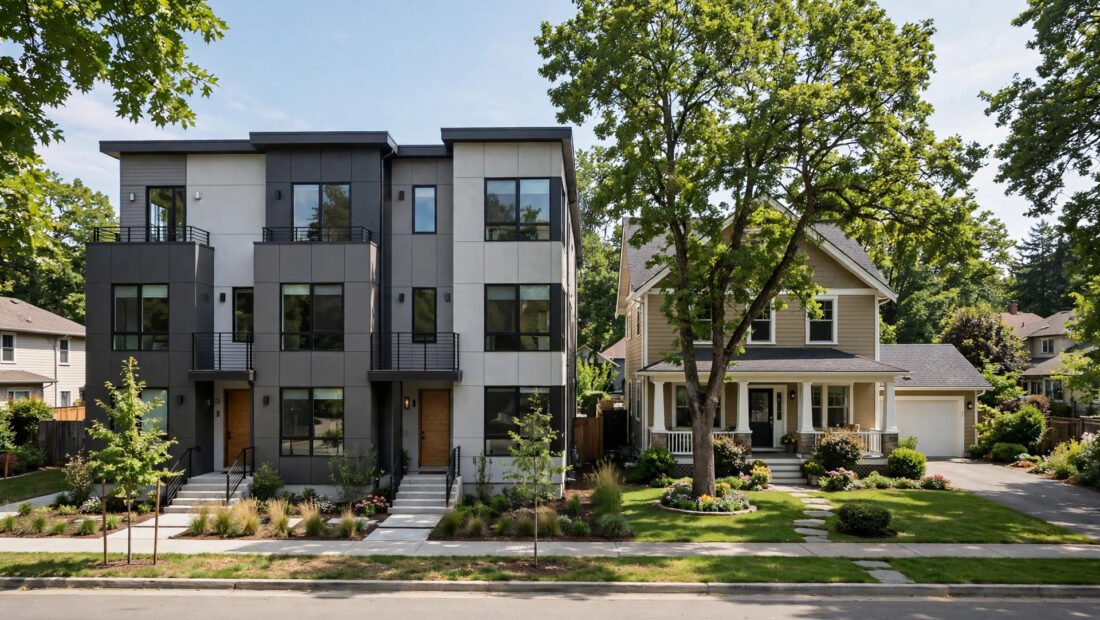
Townhouses trade land and autonomy for location and convenience: shared walls, small or no yards, HOA governance — but prime locations near jobs, dining, and nightlife at prices far below nearby single-family homes. Single-family homes trade location and convenience for space and control: your own lot, no shared walls, freedom to renovate — but longer commutes and full maintenance responsibility. Neither is universally better; they optimize for different life stages and priorities.
Cost Comparison: Beyond the Purchase Price
Townhouses often look cheaper but carry structural costs: HOA dues ($200–$500+/month in Texas metros — covering exterior maintenance, insurance, amenities, and reserves) are the big one. A $320,000 townhouse with $350/month HOA costs roughly the same monthly as a $360,000 single-family home with no HOA. Special assessments — surprise five-figure bills for roof or siding replacement when reserves run short — are the townhouse buyer’s nightmare; always review HOA financials and reserve studies before buying. Single-family homes counter with full maintenance exposure: roof ($10,000–$20,000), HVAC ($6,000–$12,000), foundation (Texas clay soil makes this a real risk — $5,000–$30,000), and yard care — budget 1–2% of home value annually. Property taxes hit both equally hard in Texas (1.6–2.2% effective rates); insurance is often cheaper for townhouses (HOA master policies cover exteriors). Run 10-year total-cost projections, not just purchase prices — the CFPB’s home-buying tools help model the full picture.
Lifestyle: The Daily-Reality Test
Visit each option and simulate your actual life: Noise: townhouse shared walls transmit neighbors’ lives — visit at night and on weekends, not just Tuesday at noon. Light sleepers and remote workers should weigh this heavily. Outdoor space: townhouse patios versus real yards — dog owners, gardeners, and parents of young kids usually need the yard; urban professionals often prefer the patio’s zero maintenance. Parking and guests: townhouse communities often have tight parking; single-family homes offer driveways and garages. HOA lifestyle fit: some buyers love maintained common areas and community amenities (pools, gyms, security); others chafe at paint-color rules and rental restrictions. Read the HOA’s CC&Rs before falling in love — restrictions on pets, rentals, home businesses, and exterior changes are legally binding. Commute: townhouses’ location advantage compounds daily — 30 saved minutes each way is 250 hours a year. Price your time honestly.
Appreciation and Resale: The Investment Angle
Historically, single-family homes appreciate faster than townhouses in most Texas markets — land appreciates, buildings depreciate, and townhouses include less land per dollar. During downturns, townhouses also tend to lose value faster and recover slower. But location modifies everything: a townhouse in a gentrifying inner-loop neighborhood can outperform a single-family home in a stagnant suburb. Resale liquidity: single-family homes appeal to the broadest buyer pool (families prioritize yards and no HOA); townhouses appeal to a narrower segment — in buyer’s markets, that narrower pool means longer days-on-market. Rental potential: both rent well, but HOA rental caps (many Texas townhouse HOAs limit rentals to 20–30% of units or ban them for the first year) can torpedo investment plans — verify before buying if landlording is even a possibility. For market context, how AI is changing home searches shows how listing dynamics affect both segments.
Who Should Buy Which
Buy the townhouse if: location near work/urban life is the priority; you want low-maintenance living (travelers, busy professionals); you are a first-time buyer using the townhouse as a 5–7 year stepping stone; or HOA amenities (pool, gym, security) genuinely replace expenses you would otherwise pay. Buy the single-family home if: you need yard space (dogs, kids, gardening); you value autonomy over convenience (renovations, no HOA oversight); you are planning a 10+ year stay (appreciation advantage compounds); or remote work makes shared-wall noise a daily problem. Either works if: you are buying primarily to stop renting and build equity — both accomplish that, and the “wrong” choice here is far better than another year of renting while deciding.
Due Diligence Differences
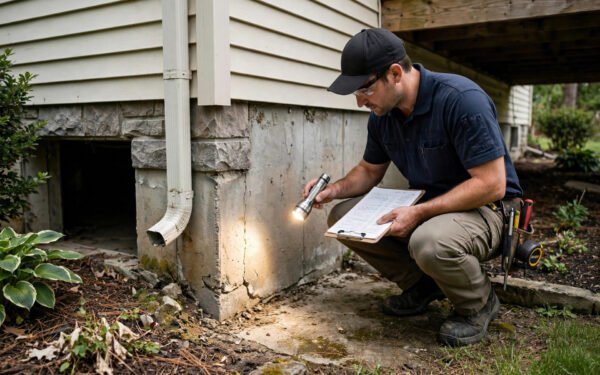
Townhouse-specific checks: HOA financials (reserves, delinquency rates, pending litigation, special assessments history); CC&Rs and bylaws (restrictions affecting your life); rental caps (even if you do not plan to rent — they affect resale); master insurance policy (what it covers versus your HO-6); and sound transmission (visit during noisy hours). Single-family checks: foundation (Texas expansive clay — get a structural engineer if you see warning signs, not just an inspector); roof age and condition; drainage and grading (water is the enemy of Texas foundations); flood zone status (check FEMA maps — Houston buyers especially); and survey and easements. Both need the standard inspection, but the emphasis differs — and our guide to what new homeowners should know covers the first-month priorities for either.
The Texas Townhouse Market in 2026
Townhouses occupy a distinctive niche in today’s Texas markets. In Austin and Dallas, inner-loop townhouses have become the de facto starter home — single-family homes near job centers having priced out first-time buyers, well-located townhouses absorb that demand and hold value accordingly. In Houston, the townhouse stock is enormous and varied — from 1980s patio homes to new-construction lock-and-leave units — creating negotiation opportunities absent in tighter segments. In San Antonio and El Paso, the price gap between townhouses and single-family homes remains wider, making townhouses a genuine affordability play rather than a location play. Statewide trends favoring townhouses: urban infill development (builders maximizing lots near employment centers), downsizing demand from empty-nesters seeking low maintenance, and investor interest in rentable townhouse communities (which supports values but also means competing with cash buyers). Headwinds: rising HOA dues (insurance costs are pushing master-policy premiums up statewide — scrutinize HOA budgets for insurance-driven increases), and new-construction competition (builders delivering fresh townhouse product can pressure resale values in the same corridors). Before buying, study your submarket’s townhouse-specific data — days on market, list-to-sale ratios, HOA delinquency rates — through resources like Realtor.com’s market data and your agent’s MLS analytics. The townhouse decision is always local: the same product thrives in one zip code and stagnates in another.
Conclusion
Townhouse versus single-family is a lifestyle decision wearing an investment costume: choose the townhouse for location, low maintenance, and urban convenience (eyes open on HOA costs and shared walls); choose the single-family home for space, autonomy, and long-term appreciation (eyes open on maintenance and commute). Run the 10-year total cost, verify the HOA or the foundation with equal seriousness, and remember that the best choice is the one matching your actual daily life — not the one matching someone else’s idea of a dream home.
Frequently Asked Questions
Do townhouses appreciate as fast as single-family homes?
Historically no — single-family homes typically appreciate faster because land (which appreciates) makes up more of their value. But location matters enormously; well-located townhouses in growing urban areas can outperform suburban single-family homes.
What are typical HOA fees for Texas townhouses?
Generally $200–$500+ per month in Texas metros, covering exterior maintenance, common-area insurance, amenities, and reserves. Always review HOA financials for reserve health and special-assessment history before buying.
Is a townhouse a good first home?
Often yes — lower purchase prices, less maintenance, and prime locations make townhouses excellent 5–7 year starter homes. Just account for HOA dues in affordability math and verify rental policies in case plans change.
Can HOAs prevent me from renting out my townhouse?
Yes — many Texas townhouse HOAs impose rental caps or waiting periods. Always read the CC&Rs before purchase if renting is even a remote future possibility; violations can bring fines and forced tenant removal.