
I watched a friend pour an entire bottle of caustic drain cleaner into a slow bathroom sink, and an hour later the clog was still there but the finish on her vintage faucet was ruined forever. Chemical drain cleaners are the payday loans of plumbing: fast, expensive in hidden ways, and often not even effective.
Here is how to unclog a drain without harsh chemicals, in order from simplest to most serious, using methods that actually clear the clog instead of just relocating it.
How Do I Unclog a Drain Without Harsh Chemicals?
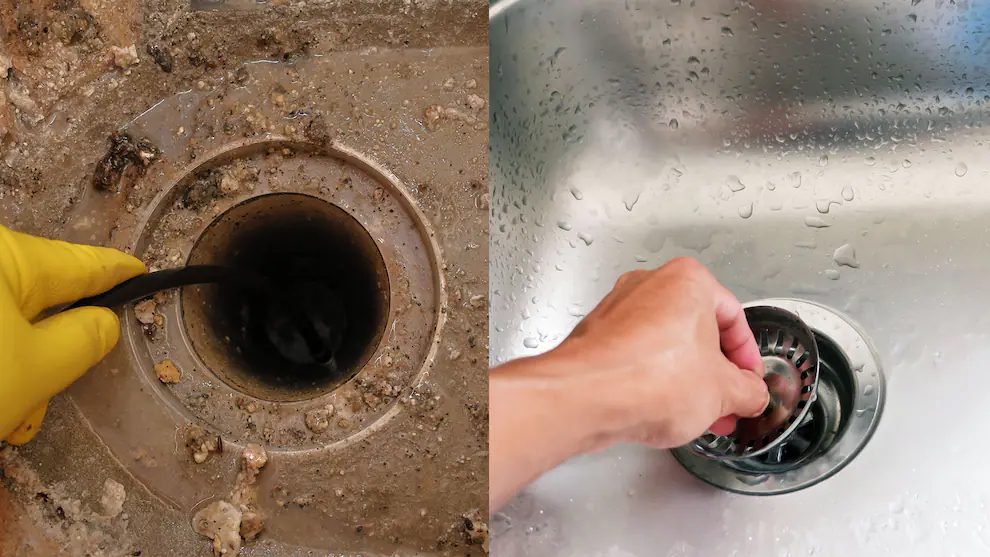
Start with the mechanical basics, because most clogs are physical and need physical solutions. For sinks and tubs, remove the stopper or drain cover first; an astonishing number of slow drains are just hair wrapped around the stopper, removable by hand in thirty seconds. A proper plunger, the cup style for sinks and the flange style for toilets, with enough water in the basin to cover the cup, clears most simple clogs in under a minute. The technique matters: seal the overflow drain with a wet rag so pressure goes into the clog, then plunge vigorously for 20 seconds.
When plunging fails, go manual. How do I unclog a drain without harsh chemicals when the clog is deeper? A drain snake (hand auger), $15 to $30 at any hardware store, reaches clogs 15 to 25 feet down and physically pulls them out. Feed it slowly, crank when you feel resistance, and retract to bring up the clog, usually a horrifying hair-and-soap sculpture you will simultaneously regret and feel victorious about. For kitchen sinks, the baking soda and vinegar method has real merit as maintenance: half a cup of baking soda, followed by half a cup of vinegar, wait 15 minutes, then flush with boiling water. It will not clear a serious clog, but it dissolves the greasy buildup that causes slow drains.
- Pull the stopper first. Hair on the stopper is the number-one bathroom sink clog. Check before anything else.
- Plunge correctly. Cover the cup with water, seal the overflow with a wet rag, 20 seconds of vigorous plunging.
- Snake it manually. A $15 hand auger reaches what plungers cannot. Slow feed, crank at resistance, retract the prize.
- Baking soda + vinegar + boiling water. Real maintenance for greasy slow drains. Not a miracle cure for full clogs.
- Clean the P-trap. Place a bucket underneath, unscrew the curved trap under the sink, and clear it by hand. Fifteen minutes, deeply satisfying.
- Use an enzyme cleaner monthly. Enzyme-based drain cleaners eat organic buildup without caustics. Prevention, not emergency cure.
- Boiling water for grease clogs. In kitchen sinks, a kettle of boiling water (not for PVC pipes with glued joints; use very hot tap water there) melts grease clogs.
The P-trap cleanout deserves emphasis because it solves the clogs everything else cannot. The curved pipe under your sink unscrews by hand or with channel locks; place a bucket beneath, unscrew both ends, and dump out the contents. You will find the clog, guaranteed, because the trap is designed to catch things. Reassemble hand-tight plus a quarter turn. It is the most reliable drain fix in existence and nobody’s first instinct.
Why Chemical Cleaners Are Worse Than Useless
Caustic drain cleaners (lye-based) and acid cleaners can damage pipes, especially older metal and PVC, destroy fixture finishes on contact, and create dangerous fumes. Worse, if they fail to clear the clog, you now have a sink full of caustic water that a plumber must deal with, and plumbers charge extra for that hazard. They also kill the beneficial bacteria in septic systems. The mechanical methods above work better, cost less, and do not poison your pipes.
The one exception: enzyme cleaners, which use bacteria to eat organic matter. They are slow (overnight to weeks) but genuinely effective as maintenance and completely pipe-safe. Use them monthly in problem drains, not as emergency clog-busters.
Quick Answers to Common Questions
Does baking soda and vinegar really unclog drains?
It helps with slow, greasy drains as maintenance, but it will not clear a solid clog. The fizzing action loosens buildup; boiling water flushes it. For real clogs, plunge or snake.
Can I use a plunger on a sink with a garbage disposal?
Yes, but never put your hand in the disposal, and make sure it is off. Plunge the sink side; the pressure works through the shared drain.
How do I unclog a shower drain full of hair?
Remove the drain cover and pull out the hair with a zip-it tool ($5, plastic barbed strip) or tweezers. This fixes most shower clogs in two minutes without any chemicals.
When should I call a plumber?
When multiple drains clog simultaneously (main line issue), when snaking does not reach the clog, or when you smell sewage. Those are beyond DIY scope.
My Drain-Clearing Checklist
- Check the stopper and cover first. Hair by hand. Thirty seconds.
- Plunge with the overflow sealed. Wet rag on overflow, 20 vigorous seconds.
- Snake what plunging cannot reach. $15 auger, slow and steady.
- Clean the P-trap. Bucket underneath, unscrew, clear, reassemble.
- Maintain with enzymes monthly. Prevention beats every cure.
What I Would Do Next
I have not bought chemical drain cleaner in five years, and my drains run better than they ever did. The snake lives under the sink, the zip-it tool lives in the shower caddy, and clogs get handled in minutes instead of marinating in caustics. Mechanical beats chemical every single time.
How to unclog a drain without harsh chemicals: pull the stopper, plunge properly, snake the line, clean the P-trap, and maintain with enzymes. Every step is cheap, safe, and more effective than the bottle.
Put down the caustics. Pick up the plunger. Your pipes will thank you.
Related reading: How Can I Soundproof a Bedroom on a Budget.
Related reading: How Do I Make Crispy Fried Chicken at Home.
Related reading: What Is the Cheapest Way to Update an Old Kitchen.
For official guidance, check out the Department of Energy home efficiency guides and EPA guidance on indoor air quality.



