
Few kitchen failures are as deflating as draining a pot of pasta into a single gummy clump. You did everything right — or so you thought — and now you’re performing pasta surgery with two forks while dinner gets cold. I’ve been there, and the fix is simpler than most recipes admit.
Pasta sticks because of starch. As noodles cook, they release starch into the water, and that starch acts like glue between surfaces. Every effective technique for keeping pasta separate does one thing: it manages that starch. Here’s how, ranked from most to least important.
The Fundamentals: How to Stop Pasta From Sticking Together
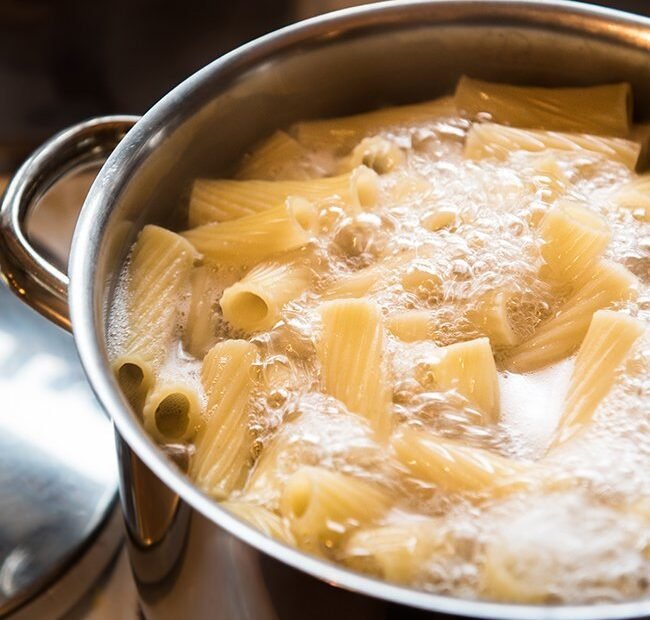
Use a big pot with plenty of water — at least 4 quarts per pound of pasta. This is the number-one fix, and it’s the one most people skip. Abundant water dilutes the released starch so it can’t glue noodles together, and it keeps the temperature from crashing when cold pasta hits the pot. A crowded pot is a sticky pot, every time.
Second: salt the water generously and stir in the first two minutes. Salt doesn’t prevent sticking directly, but proper seasoning matters for flavor, and stirring is the real hero — pasta releases the most surface starch in the first 90 seconds of cooking, when the exterior is gummy and vulnerable. Stir immediately after adding, then again at 30 and 60 seconds. After that, the exterior sets and the danger mostly passes.
The Oil Myth (and What to Do Instead)
Let’s kill this one for good: adding oil to pasta water does not prevent sticking in any meaningful way. The oil floats on top; the pasta cooks below. It’s kitchen folklore that wastes good olive oil. The rare exception: a teaspoon of oil can calm a pot that’s foaming over — but that’s foam control, not anti-stick.
What actually works after draining: sauce immediately. The moment pasta leaves the water, its surface starch starts setting like glue. Have your sauce hot and waiting, and transfer the pasta directly into it — ideally with a splash of starchy pasta water, which helps the sauce cling instead of the noodles clinging to each other. If you must hold plain pasta (for a pasta salad, say), then — and only then — toss it with a little oil after draining.
Reference: Serious Eats on cooking pasta properly.
Reference: Barilla’s pasta cooking tips.
Anti-Stick Pasta Checklist
In order of impact:
- Use plenty of water: 4 to 6 quarts per pound of pasta. More water means diluted starch and no clumping.
- Bring it to a rolling boil before the pasta goes in. Lukewarm water makes gummy exteriors that fuse on contact.
- Stir for the first 2 minutes — at 0, 30, and 60 seconds. This single habit prevents most sticking.
- Don’t break long pasta to fit the pot. Get a bigger pot, or let the noodles soften for 30 seconds then push them down.
- Never rinse cooked pasta (unless making a cold pasta salad). Rinsing washes away the starch that helps sauce adhere.
- Sauce immediately after draining. The clock starts the second pasta leaves the water — move fast.
- Save a cup of pasta water before draining. Its starch is liquid gold for binding sauce to noodles.
Special Cases: Fresh Pasta and Baked Pasta
Fresh pasta is stickier than dried because of its higher moisture and egg content. Give it even more water, stir gently but constantly for the first minute, and never walk away — fresh pasta goes from perfect to mush in under a minute. Dusting cut noodles lightly with semolina before cooking also helps them stay separate.
For baked pasta like lasagna or baked ziti, the sticking happens in the dish, not the pot. Undercook the pasta by 2 to 3 minutes (it finishes in the oven), sauce it generously before assembling, and make sure every surface is coated. Dry, unsauced pasta edges in a baked dish turn into crunchy fossils — sauce is both flavor and protection.
Frequently Asked Questions
Should I add oil to pasta water?
No — it’s the most persistent pasta myth in existence. Oil floats on top of the water; the pasta cooks below. It does nothing to prevent sticking and wastes good olive oil. The one exception: a tiny bit of oil calms a foaming-over pot. For sticking, use more water and stir in the first two minutes — that actually works.
Should I rinse pasta after draining?
Almost never. Rinsing washes away the surface starch that helps sauce cling to noodles — it’s sabotage disguised as cleanliness. The only exception is cold pasta salad, where you want to stop the cooking and prevent clumping. For hot pasta headed for sauce, drain and sauce immediately, no rinse.
Why does restaurant pasta never stick together?
Three reasons: enormous pots with lots of water, pasta cooked to order (never sitting), and immediate saucing — the pasta goes from water to pan to plate in seconds. Home cooks can replicate all three: use your biggest pot, time the sauce to finish with the pasta, and move fast after draining. The pros aren’t using tricks; they’re using timing.
More from Daily USA Post
- Related: what is the difference between white and brown eggs
- what are good side dishes for a backyard barbecue, explained in detail
- Also see: how can I find new music similar to my favorite bands
To stop pasta from sticking together, use lots of vigorously boiling water, stir well during the first two minutes, and sauce the pasta the instant it drains. Skip the oil in the water — it’s a myth — and save your pasta water for the sauce instead. These four habits will give you separate, silky, perfectly sauced noodles every single time. Dinner is saved.
Make it muscle memory: big pot, rolling boil, stir at zero, thirty, and sixty seconds. Do it three times and you’ll never think about it again — your hands will just do it while you prep the sauce. That’s the difference between cooks who fight sticky pasta and cooks who never think about it.



