
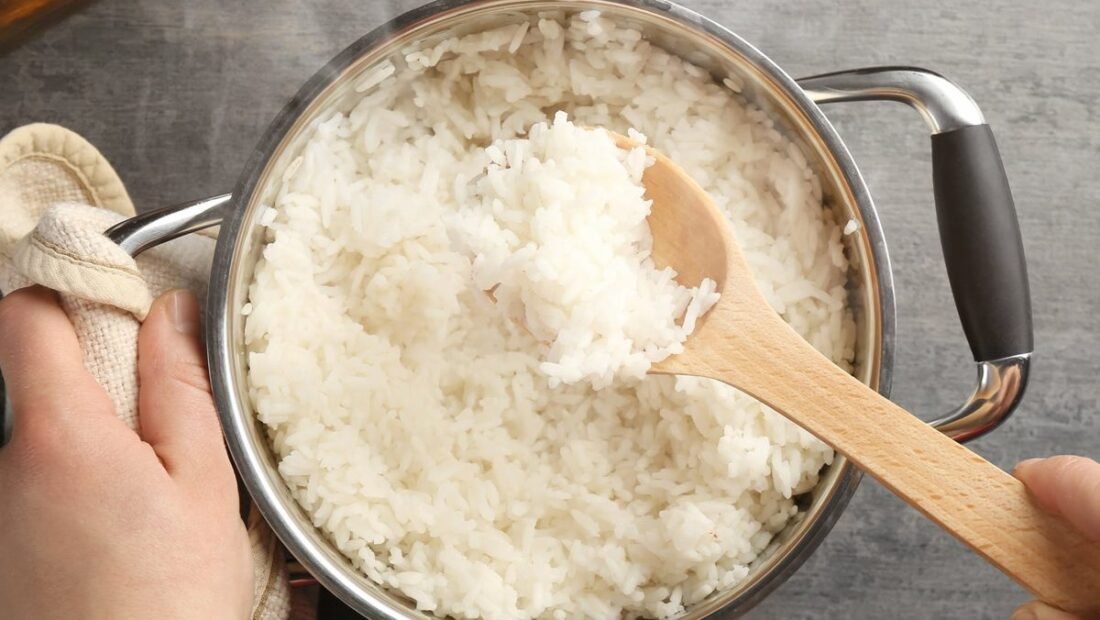
I cooked rice in a pot for years with inconsistent results: sometimes perfect, sometimes crunchy, sometimes glue. Then a friend’s grandmother watched me, said three words (rinse it first), and fixed the biggest variable I did not know existed. Stovetop rice is simple once the variables are controlled, and there are only four of them.
How to cook perfect rice without a rice cooker: rinse, ratio, simmer low, rest. Here is the method that works every time.
How Do I Cook Perfect Rice Without a Rice Cooker?
Rinse the rice. This is the step everyone skips and the fix for gummy rice: rinse in cold water, swishing with your hand, until the water runs mostly clear (3-4 rinses). Rinsing removes surface starch that makes rice sticky and gummy. For basmati and jasmine, rinsing is essential; for short-grain sushi rice, it is mandatory. Soak basmati 20-30 minutes after rinsing for the longest, fluffiest grains; it is the restaurant secret for dramatic long grains.
The ratio and the simmer: for long-grain white rice, 1 cup rice to 1.5 cups water (1:1.25 for basmati, 1:2 for brown). How do I cook perfect rice without a rice cooker on the stovetop? Bring to a boil, stir once, cover tightly, reduce to the lowest simmer, and do not touch it for 15 minutes (white) or 40-45 (brown). Then rest off heat, lid on, 10 minutes. The rest is non-negotiable; it lets moisture equalize, and skipping it is why rice is wet on top and crunchy below.
- Rinse until water runs clear. Removes surface starch. The anti-gum step.
- Right ratio by type. White 1:1.5, basmati 1:1.25, brown 1:2, by volume.
- Boil, then lowest simmer. One stir, lid on, low heat. Do not peek.
- 15 min white, 40-45 brown. Set a timer. Trust the process.
- Rest 10 minutes off heat. Lid on. Moisture equalizes. Non-negotiable.
- Fluff with a fork. Not a spoon. Fork separates without mashing.
- Soak basmati 20-30 min. Longest grains, restaurant texture.
- Tight lid matters. Steam escapes = uneven cooking. Use a heavy lid or a towel under it.
Troubleshooting: crunchy rice means too little water or too high heat (add 2 tablespoons water, lid on, low heat 5 more minutes). Mushy rice means too much water or stirring during cooking (spread on a sheet pan to dry, or fry it into fried rice, the delicious rescue). Burnt bottom means heat too high; a heavy-bottomed pot and the lowest simmer prevent it. Gummy rice means skipped rinsing or wrong ratio; rinse next time.
Beyond Basic: Variations Worth Knowing
Once the basic method works, the variations are easy: pilaf method (toast rice in butter/oil with onion before adding broth; nuttier, more separate grains), coconut rice (replace half the water with coconut milk, pinch of salt), seasoned rice (cook in broth with bay leaf or spices), and the pasta method for brown rice (boil in abundant salted water like pasta, drain when tender; foolproof for brown rice’s finicky timing). Each uses the same foundation with one variable changed.
And the fried rice rule: day-old refrigerated rice fries beautifully; fresh rice turns mushy in the wok. Cook extra deliberately, refrigerate uncovered to dry the surface, and tomorrow’s fried rice is better than any restaurant’s. This is the real reason to master plain rice: it is the ingredient for everything after.
Quick Answers to Common Questions
What is the rice to water ratio?
Long-grain white: 1:1.5. Basmati: 1:1.25 (after soaking). Brown: 1:2. Ratios are by volume. Altitude and pot differences may need tiny adjustments.
Why is my rice mushy?
Too much water, stirring during cooking, or skipped rinsing. Measure carefully, do not stir after the initial boil, and rinse the starch off first.
Should I rinse rice?
Yes for most white rices; it removes surface starch that causes gumminess. The exception is risotto and paella, where the starch is the point.
How do I keep rice warm?
Rest covered 10 minutes, then keep warm up to an hour in the covered pot off heat. For longer, refrigerate within 2 hours; rice is a food safety risk at room temperature.
My Perfect Rice Checklist
- Rinse 3-4 times. Clear water = fluffy rice.
- Measure ratio by type. 1:1.5 white. Precision matters.
- Lowest simmer, lid on. 15 min white. Do not peek.
- Rest 10 minutes. Off heat, lid on. Equalizes moisture.
- Fluff with fork. Separate, do not mash.
What I Would Do Next
The grandmother’s three words fixed my rice permanently, and now the pot method is automatic: rinse, ratio, simmer, rest. No rice cooker on my counter, no desire for one. The variables are controlled, the results are consistent, and the rice is the quiet foundation of a hundred meals. Sometimes the oldest technology is the right technology.
How to cook perfect rice without a rice cooker: rinse well, use the right ratio, simmer low with a tight lid, rest 10 minutes, fluff with a fork. Four variables, total control.
Master the pot, and the rice cooker becomes optional forever.
The absorption method has a cousin worth knowing for entertaining: the pilaf method, where rice is toasted in butter or oil with aromatics before liquid is added. The toasting coats each grain in fat, keeping grains separate and adding a nutty depth that plain steamed rice lacks. It is the technique behind restaurant rice pilaf and Middle Eastern jeweled rice, and it uses the same pot and the same ratios with one extra step. For dinner parties, pilaf always; for Tuesday, plain steam.
Rice cookers, for the record, are not the enemy; they are just automation of this exact method, with a thermostat instead of your attention. If you cook rice more than three times a week, a basic cooker ($30) earns its counter space in convenience. But knowing the stovetop method means you are never dependent on the appliance, and the understanding of ratios and resting transfers to every grain you will ever cook, from quinoa to farro. Technique first, appliances second.
Related reading: How Can I Add Storage to a Small Laundry Room.
Related reading: How Do I Know If a Wall Is Load-bearing Before Removing It.
Related reading: What Should I Look for When Buying a Used Lawn Mower.
For official guidance, check out the USDA MyPlate nutrition resources and FoodSafety.gov storage charts.



