
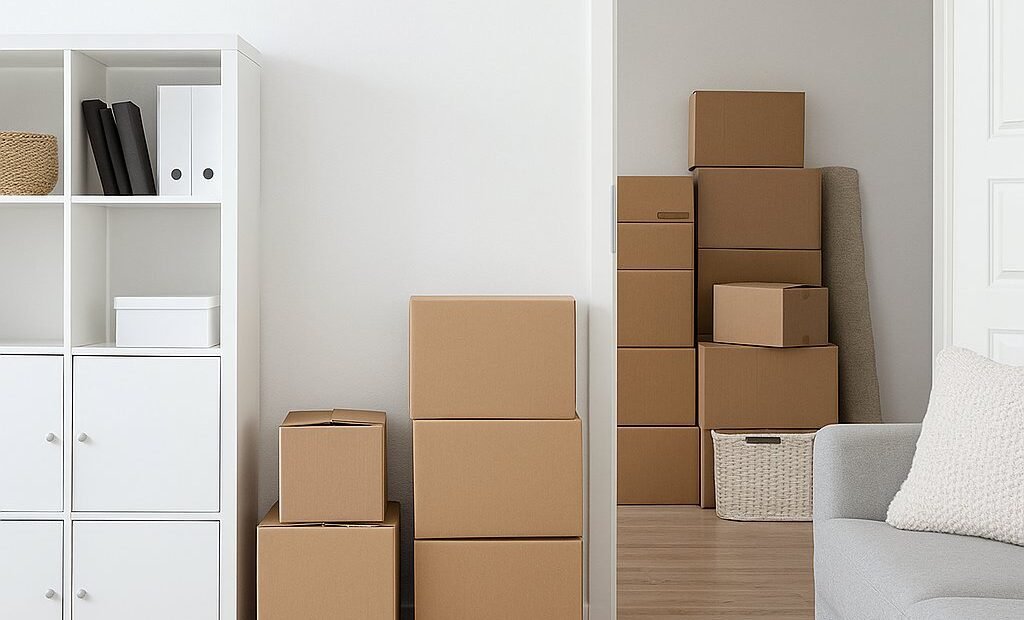
I’ll be honest: the idea of decluttering my home in one weekend sounded impossible until I actually tried it. My closets were stuffed, the junk drawer had its own zip code, and the garage was basically a storage unit I paid a mortgage on. But two days, a clear plan, and a few trash bags later, the house felt lighter in a way I hadn’t expected. If you’ve ever typed “how can I declutter my home in one weekend” into Google at midnight, surrounded by clutter — this plan is your answer.
The trick to pulling off a weekend declutter isn’t working harder — it’s working in the right order. Most people fail because they start with the sentimental stuff (old photos, childhood boxes) and run out of steam before lunch on Saturday. This plan does the opposite: quick wins first, hard decisions later, and a finish line you can actually reach by Sunday evening.
Whether you’re prepping for a move, tired of the visual noise, or just want your weekends back, here’s the exact schedule I’d follow — and the rules that kept me from quitting halfway through.
Friday Night: Set Up for a Successful Declutter Weekend
Don’t start hauling boxes on Friday night — use the evening to set the stage. I grab four big boxes or bags and label them: Trash, Donate, Relocate (belongs in another room), and Keep-but-decide-later. That last one is important. It keeps you from stalling for twenty minutes on a single object.
Next, pick your zones. A realistic weekend covers five to six zones, not fifteen: bedroom closet, bathroom, kitchen, living room, entryway, and one ‘problem spot’ like the garage corner or spare room. Write them on a sticky note in order. I also put on a playlist and set a timer habit — 45 minutes of work, 15 minutes off. Your back and your brain will thank you.
If you live with other people, get buy-in now, not Saturday morning. I learned this the hard way when my partner vetoed half my donate pile after I’d already carried it to the car. A quick Friday chat — ‘here’s what I’m doing, here’s what I won’t touch’ — saves real arguments.
Saturday Morning: Start With the Easy Wins
Saturday morning is your highest-energy window, so spend it on the bathroom and the kitchen. These rooms are full of expired, empty, and duplicated stuff, which means fast decisions and visible results. In the bathroom, toss expired medications (check dates), dried-out makeup, and the six half-empty hotel shampoos. One study-backed rule I like: if you haven’t touched it in a year and it isn’t seasonal, it goes.
The kitchen is where the declutter really pays off. Pull everything out of one cabinet at a time — don’t do the whole kitchen at once or you’ll drown. Match lids to containers and recycle the orphans. Be honest about the single-purpose gadgets: the avocado slicer, the egg separator, the third spatula. If you’re like me, a decent chef’s knife does 90 percent of that work.
By lunch you should have two rooms that look noticeably better. That momentum matters. Take a photo of each ‘before’ on Friday so you can compare — it’s the cheapest motivation there is. If you’re also thinking about how your kitchen functions day to day, our guide to organizing a small kitchen without buying anything new pairs well with this step.
Saturday Afternoon: Closets and the Paper Problem
After lunch, hit the bedroom closet. Try the hanger trick in reverse: instead of turning hangers around, pull out only what you’d buy again today. Everything else is a candidate for donation. I donated eleven shirts in one afternoon and never missed a single one — because I’d been ignoring them for years anyway.
For clothes, use the ‘one in, one out’ rule going forward. It’s the simplest way to keep a closet from re-cluttering itself. Fold what remains so you can see everything; the KonMari folding method genuinely makes drawers hold more and look better, and it takes about ten minutes to learn.
Then tackle paper, the silent clutter king. Shred old bills and junk mail, set up a single inbox tray for incoming mail, and go paperless on anything you can. The FTC’s guidance on shredding sensitive documents is worth a skim before you toss anything with account numbers. Most households can cut their paper pile by half in one hour.
Sunday: Living Spaces and the Final Sweep
Sunday morning, do the living room and entryway. These are high-visibility zones, so the payoff is immediate. Clear every flat surface completely, wipe it down, then put back only what earns its spot. Remotes get a tray. Blankets get a basket. The random cables get a labeled box or they get recycled — no middle ground.
The entryway deserves special attention because it’s the first thing you see. A small tray for keys, hooks for the two jackets you actually wear, and a bin for shoes. If shoes are exploding out of the closet, that’s a sign the limit is working: pick a number (mine is six pairs by the door) and stick to it.
Sunday afternoon is the final sweep: walk each zone with a laundry basket, collecting anything out of place, then put it all where it belongs. Drop donations at the donation center the same day — bags sitting in the trunk for three weeks have a way of migrating back inside. I schedule the drop-off like an appointment so I can’t skip it.
How to Declutter My Home in One Weekend Without Burning Out
Here’s what nobody tells you about trying to declutter a home in one weekend: the physical work is only half of it. The other half is decision fatigue. By Sunday afternoon, you’ll be staring at a candle holder wondering if it has ’emotional significance,’ and that’s when people quit. The antidote is deciding your rules before you start: if you haven’t used it in a year, if you wouldn’t buy it again today, if you’re keeping it out of guilt — it goes. Write the rules on a card and carry it room to room. It sounds silly, and it saves you from negotiating with yourself over every object.
My other secret weapon is the ‘maybe box’ — one box per weekend, max. Anything you’re truly torn on goes in, the box gets dated, and if you haven’t opened it in six months, it gets donated unopened. This keeps momentum going on the hard stuff without forcing brutal decisions when you’re tired. Most of my maybe boxes left the house untouched, which told me everything I needed to know. And once the clutter’s gone, keeping the kitchen functional gets easier too — our guide to organizing a small kitchen picks up where the declutter leaves off.
Declutter Rules That Actually Work
- The 12-12-12 rule: find 12 things to throw away, 12 to donate, and 12 to relocate. It turns decluttering into a game.
- One room at a time: never pull out more than one zone’s contents at once, or you’ll live in chaos by dinner.
- The ‘would I buy it again’ test: faster and more honest than asking whether you ‘might need it someday.’
- Touch it once: when you pick something up, decide its fate immediately — trash, donate, relocate, or keep.
- Set a donation deadline: bags leave the house within 24 hours, or they creep back onto shelves.
- Photograph sentimental items before letting them go. The memory stays; the box doesn’t have to.
Keep It Decluttered After the Weekend
Here’s the part most weekend plans skip: Monday. The declutter only sticks if you change the inflow. Cancel two catalogs, unsubscribe from three marketing emails, and put a small donation box in the closet permanently — when it’s full, it goes. That one habit has kept my house stable for over a year.
Do a ten-minute reset each evening: walk the main rooms, put strays back, wipe the counters. It’s boring, and it works better than any monthly marathon. And if the whole house feels overwhelming again in six months, you already know the drill — one weekend, five zones, four boxes.
The payoff isn’t just a cleaner house. I sleep better, I find things faster, and Saturday mornings feel like mine again instead of belonging to the mess. That’s worth two days of work any time.




4 Comments