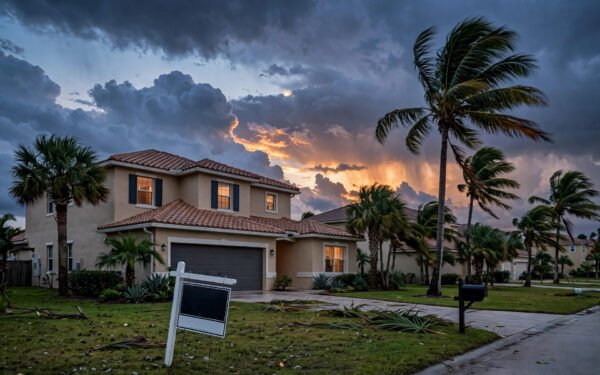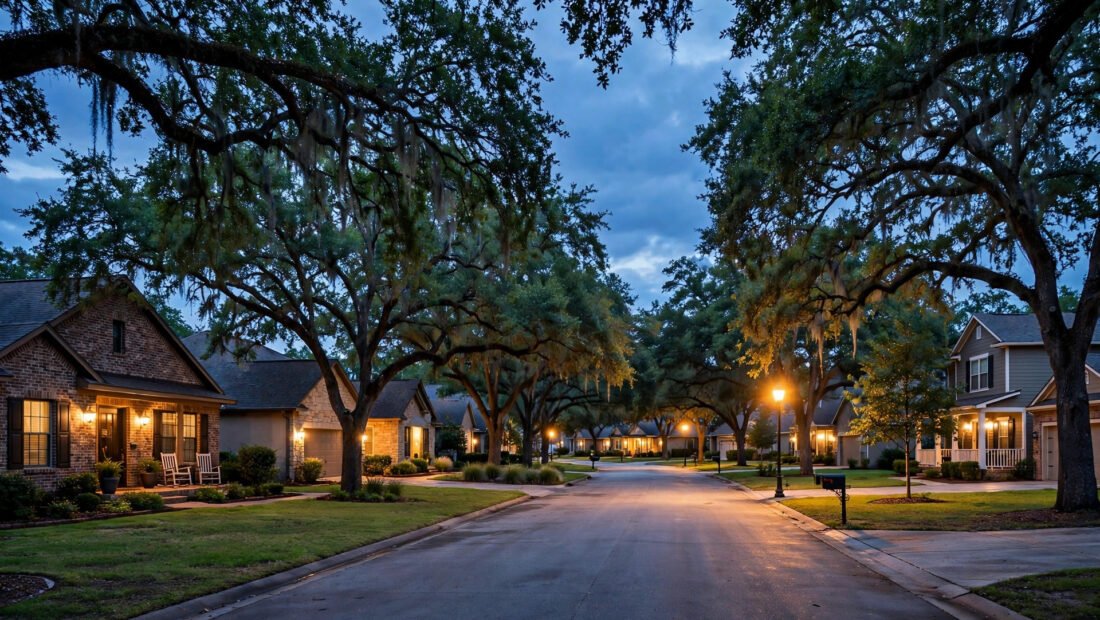
A street can feel safe at noon on a sunny Tuesday and tell a completely different story at 11 p.m. on a Friday. Buyers make one of the biggest purchases of their lives based on that noon feeling all the time. The fix is not fear. The fix is a routine — data first, then your own eyes at different hours, then the words of the people who already live there.
The Checking Routine at a Glance
- Pull official crime data for a tight area around the address, covering at least twelve months.
- Separate violent crime from property crime, and look at the trend, not just the total.
- Visit the street at three different times: a weekday morning, an evening after dark, and a weekend night.
- On each visit, check lighting, upkeep, activity, and anything abandoned or neglected.
- Talk with several people who live on the street, and ask specific questions.
- Check the sex offender registry for the area and note nearby school zones and busy roads.
- Write down red flags instead of explaining them away, and make several visits before you buy.
None of this takes special skill. It takes a few evenings and the discipline to look before the contract, not after it.
Start With Data, Not a Feeling
Begin with official records. Most large Texas cities — Houston, Dallas, Austin, San Antonio, and Fort Worth among them — publish police open data and crime maps where you can search around a specific address and filter by type of offense and date range. The state-level view comes from the Texas Department of Public Safety’s crime statistics and records, which also holds the public sex offender registry you can search by address or area.
Use a tight radius. A citywide or ZIP-code average can hide the line where one calm street sits two blocks from a troubled one. Zoom in to roughly a half-mile around the house and read that area on its own.
Separate the categories. A street with repeated car break-ins has a real problem, but it is a different problem from a street with assaults or robberies. Property crime affects your insurance, your habits, and your peace of mind. Violent crime affects whether you feel safe walking to your car. Know which one the data is actually showing.
Look at twelve months or more, and read the direction. A neighborhood where incidents are falling year over year is a different bet from one where they are climbing, even if this year’s totals look similar. One bad month can be an outlier. A steady trend is information.
Know what the numbers cannot tell you. Police data counts what was reported and recorded. It misses crimes nobody reported, and it can rise simply because a department changed how it records things or because residents started reporting more. An apartment complex or a busy shopping strip inside your search radius can inflate totals that have little to do with the quiet street behind them. Data narrows the questions. It does not close them.
Treat online safety grades with skepticism. Private sites that stamp a neighborhood with a letter grade or a score rarely show their full method, and they often blend old data, wide areas, and factors that may not match what you care about. Use a grade as a prompt to dig, never as the answer. If a site will not say where its numbers came from, its grade is marketing, not research.
Walk It Like You Already Live There
Data tells you what was reported. The street tells you what daily life feels like. Visit at different times, because a neighborhood has more than one personality.
Weekday morning. Watch the school run, the buses, the traffic cutting through. Are people walking, jogging, waiting with kids? Morning activity shows you the working rhythm of the place and how bad the commute traffic on your street really is.
Evening, after dark. This visit matters most and gets skipped most. Check whether streetlights work and how much of the sidewalk sits in darkness. Notice what is open, who is out, and whether the area feels watched over or empty. Drive it and walk at least part of it, if you feel comfortable doing so, because a car hides a lot.
Weekend night. Noise, parking, parties, and loitering patterns show up here. A street that is calm all week can change on Friday night, and you want to know that before your bedroom window faces it.
On every visit, read the same signals. Upkeep: maintained yards, intact fences, and cared-for homes suggest neighbors who invest in the street, while clusters of neglected houses, broken windows, and dumped trash suggest the opposite. Activity: people walking dogs, kids playing, and neighbors talking are good signs — streets with eyes on them deter trouble. Abandoned property: vacant houses, boarded buildings, and empty lots deserve a hard look, since they can draw vandalism and squatting. Security signals: a few alarm signs and cameras are normal in Texas. Bars on most windows up and down a street are the residents telling you something. Listen.
Check the edges, too. What sits behind and beside the neighborhood — a well-kept shopping area, a busy bar strip, a highway, an industrial yard — shapes noise, traffic, and foot traffic at all hours. Walk the alleys and the back streets, not just the pretty frontage the listing agent drove you down.
Talk to the People Who Live There
Residents know things no map holds: which corner gets loud, whether cars get broken into on this block, how fast police respond, and whether the problem house from three years ago is still a problem. A short, friendly conversation on a walk can teach you more than an hour online.
Ask specific questions, because general ones get general answers. Try: How long have you lived here? Has the street changed since you came? Have you had any trouble with break-ins or car theft? Do you walk here at night? Is there anything you wish you had known before you moved in? That last question is the best one. People answer it honestly.
Talk to more than one person, on more than one visit. One unhappy neighbor can paint a street unfairly, and one proud seller’s neighbor can polish it. Patterns across several conversations are what count. Mail carriers, dog walkers, and people working in their yards are often the most observant and the most willing to talk.
Be honest about why you are asking. People help a prospective neighbor gladly. They cool quickly if they feel they are being pumped for dirt on their own street by someone performing an inspection.
Texas Rules and Texas Specifics
Do not expect your agent to settle the safety question for you. In Texas, as elsewhere, real estate agents are legally limited in what they can say about crime and safety. Fair-housing law bars steering — guiding buyers toward or away from an area based on who lives there — and agents who give safety opinions risk breaking those rules and taking on liability. A good agent will hand you the data sources and let you draw your own conclusions. That silence is not evasion. It is the law doing what it is meant to do, and it means the research is yours to do. It is one more reason how to choose the right real estate agent as a first-time buyer matters: you want an agent who points you to solid information instead of offering illegal reassurance.
Check the sex offender registry as a standard step. Search the address area, note what you find, and keep it in proportion — the registry gives locations, not a full picture of risk — but skipping it leaves a gap in otherwise careful work.
Note school-zone overlap. A home near a school gains daytime activity, crossing guards, and slower traffic during term, which many buyers like. It also gains heavy morning and afternoon congestion and, in Texas, school zones carry strict speed enforcement and heavier fines. If the house sits on a route to a school, your quiet street may not be quiet at 7:30 a.m. The morning visit will show you.
Look past the neighborhood line as well. Texas cities can change character fast from one side of a freeway or rail line to the other, and county pockets outside city limits may have different law enforcement coverage and response patterns. Know which agency actually serves the address — city police, county sheriff, or a constable — because that shapes what help looks like when you need it.
Red Flags That Deserve a Pause
- Official data shows violent crime trending up over twelve months within a half-mile of the house.
- Several vacant, boarded, or burned properties sit on the street or the next one over.
- Streetlights are out across whole stretches, and sidewalks sit dark at night.
- Residents give the same warning independently — the same corner, the same hours, the same problem.
- Heavy cut-through traffic speeds past homes where children play.
- You feel on edge on every visit, at different times, and the data backs the feeling.
A single flag is a reason to dig. Several together are a reason to pause the purchase and ask whether the price truly makes up for what you found. A discount is only a bargain if you still want to live there after you know the street well.
How Many Visits Is Enough?
Several — at varied times — is the honest answer. Three visits is a bare minimum: one weekday morning, one evening after dark, and one weekend night. Four to six visits across two or three weeks gives a far truer picture, and it costs nothing but evenings.
Spread them out. Three visits in one weekend can all catch the same unusual event, good or bad. Visits across different weeks show you the pattern, and the pattern is what you will actually live with.
Write down what you see each time, with the date and hour. Memory smooths things over, especially once you like a house. Notes keep the Friday-night noise in the file next to the Tuesday-morning calm, and that full picture — data, visits, and residents’ words together — is what a careful Texas buyer decides on.