
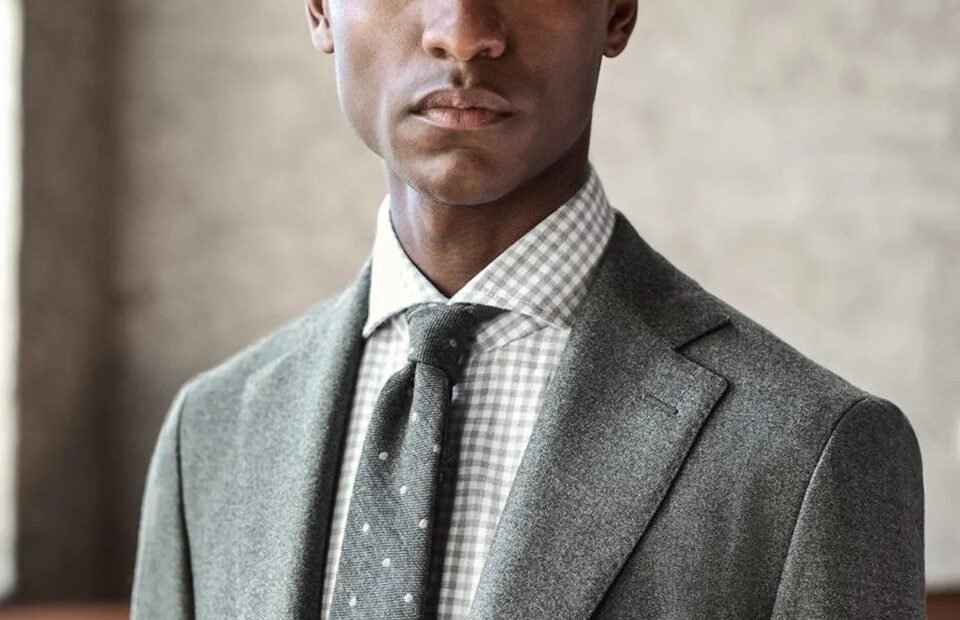
Patterned shirt plus tie is where most men give up and go solid. But the combinations are learnable — it’s about scale and contrast, not magic.
I used to think looking good required either money or some mysterious innate talent. Turns out it’s mostly systems — a few rules, a little planning, and knowing which details matter. Here’s the system for this one.
Match tie with patterned shirt: What the Evidence Shows
Let’s get specific about match tie with patterned shirt — what it means, why it matters, and the practical steps that make a difference. Everything below is actionable starting today.
Vary the pattern scale. The iron rule: tie pattern and shirt pattern must be different scales. Small-check shirt with bold-striped tie, or wide-spread stripe shirt with small-dot tie. Same-scale patterns vibrate against each other — that’s the clash you’re avoiding. Not glamorous, not expensive — just something that works.
Stripes with stripes: vary width and direction
A striped tie on a striped shirt works when the stripe widths differ clearly (pinstripe shirt, bold repp tie) — and ideally the tie stripe runs a different direction. This is the advanced move; nail the scale difference and it looks intentional and sharp. Simple, free, and backed by both science and common sense.
Solids are the safe harbor
A solid tie in a color pulled from the shirt’s pattern never fails. Navy tie with a blue-check shirt, burgundy with a patterned shirt containing red. When unsure, solid is always correct — there’s no shame in the safe choice. This is one of those fixes that feels too easy to matter — until it does.
Related reading: our guide to how do I build a capsule wardrobe on a $500 budget covers a closely connected topic worth understanding alongside this one.
Dots, paisleys, and textures
Small dot or neat-pattern ties pair with almost any shirt pattern — they’re the universal donors of neckwear. Textured solids (knit ties, grenadine) add interest without pattern competition. Every man should own a navy knit tie. The people who do this consistently swear by it, and the logic holds up.
Color: pull from the shirt
The tie should contain or complement a color in the shirt — not match it exactly (matchy looks forced), but harmonize. A shirt with blue and white checks takes a navy, burgundy, or forest tie beautifully. Echo, don’t duplicate. Small change, real payoff — that’s the pattern with this one.
When to skip the tie entirely
A boldly patterned shirt often looks better with an open collar than with a struggling tie. Not every shirt needs a tie — the open collar with a blazer is a complete, modern look. Forcing a tie where none works is worse than going without. File this under ‘boring but effective,’ the best category there is.
Quick Takeaways
- Vary the pattern scale: The iron rule: tie pattern and shirt pattern must be different scales.
- Stripes with stripes: vary width and direction: A striped tie on a striped shirt works when the stripe widths differ clearly (pinstripe shirt, bold repp tie) — and ideally the tie stripe runs a different direction.
- Solids are the safe harbor: A solid tie in a color pulled from the shirt’s pattern never fails.
- Dots, paisleys, and textures: Small dot or neat-pattern ties pair with almost any shirt pattern — they’re the universal donors of neckwear.
- Color: pull from the shirt: The tie should contain or complement a color in the shirt — not match it exactly (matchy looks forced), but harmonize.
- When to skip the tie entirely: A boldly patterned shirt often looks better with an open collar than with a struggling tie.
The Cost-Per-Wear Mindset
Stop asking ‘how much does it cost?’ and start asking ‘how much per wear?’ A $150 item worn 100 times costs $1.50 per wear; a $30 item worn twice costs $15. This single reframe ends most bad purchases — the expensive-looking bargain that’s actually the priciest thing you own.
Track roughly which pieces earn their keep. The items you reach for weekly deserve investment and care; the ones gathering dust should be donated to someone who’ll wear them. Your closet is inventory — manage it like it matters, because it does.
A Common Mistake to Avoid
Matching the tie to the shirt too literally — the red tie with the red-checked shirt in the exact same red. It looks like a uniform, not an outfit. Complement and contrast beat matching; the tie should relate to the shirt, not replicate it.
If you want to go deeper on a related topic, see our guide to how many pairs of shoes does a minimalist really need — and for a different angle on everyday wellness, our guide to how can I remove a stain from a white shirt is worth your time.
Color Confidence
If your closet is all black and gray, adding color feels risky — start with your ‘safe brights’: the colors that suit your undertones and feel like you. One colorful piece per outfit, grounded in neutrals, is the no-fail formula. Jewel tones flatter almost everyone and photograph beautifully.
Test-drive color in cheap formats first: a $12 scarf before a $120 coat. Notice what earns compliments — other people see your colors more objectively than you do. Build outward from the winners.
For authoritative background, see Vogue’s fashion editorial coverage, and also Good Housekeeping’s beauty and fashion section for a second perspective.
Frequently Asked Questions
Can I wear a patterned tie with a patterned suit?
Yes, with the same scale rule applied twice — all three patterns (suit, shirt, tie) need distinct scales. Keep one of the three subtle; two bold patterns plus one quiet is the workable formula.
What tie with a white shirt?
Anything — the white shirt is a blank canvas. This is where your boldest ties live. If the shirt is patterned white (stripes, checks), apply the scale rules above.
Start With What You Own
Before spending a dollar, shop your own closet with fresh eyes. Pull out forgotten pieces, try new combinations, and apply the styling rules from this article to what you already have. Most people are sitting on solutions they stopped seeing — familiarity breeds blindness.
Only after the closet audit should you make a shopping list — and make it specific: the exact gap, the budget, the criteria. Then buy the best version you can afford of exactly that item. Targeted buying is how good wardrobes are built; browsing is how cluttered ones are.
The Bottom Line
Patterned shirt + tie: vary pattern scales, pull tie colors from the shirt, keep a solid as backup, and skip the tie when the shirt is loud enough alone. Echo the colors; don’t duplicate them.



