
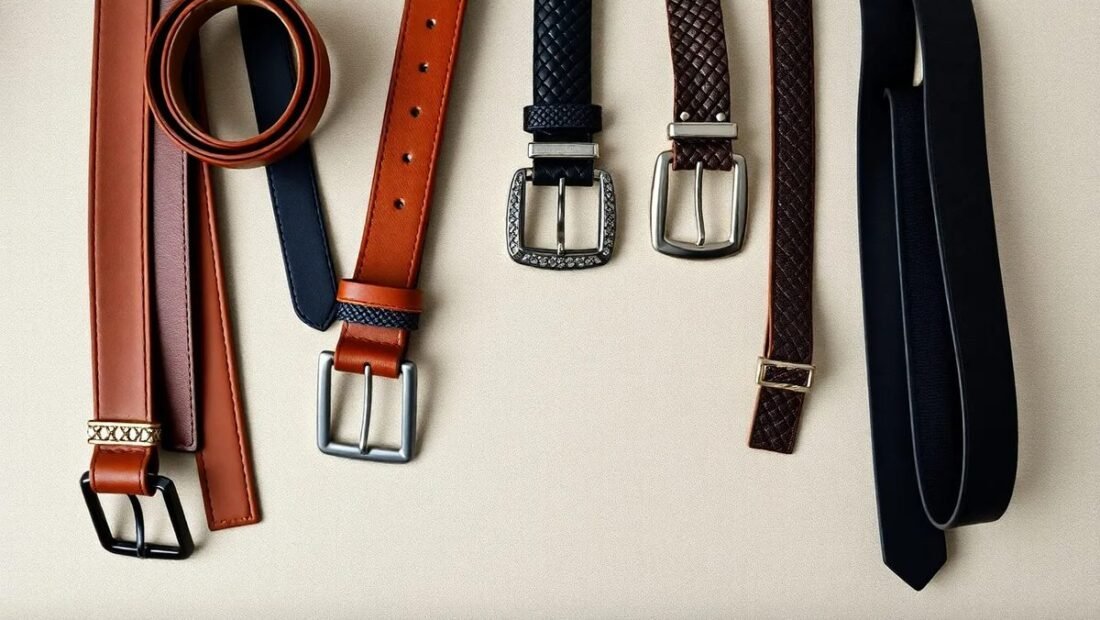
Belts are sized nothing like pants, which is why everyone owns a belt that doesn’t quite work. The sizing logic takes 30 seconds to learn.
Good style is 20% taste and 80% technique — fit, fabric, maintenance, and knowing the tricks. The taste part is yours; the technique part is learnable. Here’s the technique.
Right belt size for waist: What the Evidence Shows
Let’s get specific about right belt size for waist — what it means, why it matters, and the practical steps that make a difference. Everything below is actionable starting today.
Belt size = waist size + 2 inches. A 34-inch waist takes a 36 belt. This accounts for the belt going over the trouser waistband plus the thickness of the pants. Buy the size two up from your pant size — this rule holds across nearly all brands. The people who do this consistently swear by it, and the logic holds up.
Measure a belt that fits
Lay your best-fitting belt flat and measure from the buckle’s fold to the hole you actually use. That’s your belt size in inches. Compare against size charts instead of trusting labels — belt labeling is wildly inconsistent. Small change, real payoff — that’s the pattern with this one.
The third-hole rule
A properly sized belt fastens on the middle (third) hole, leaving a few inches of tail. Fastening on the first hole means too big; on the last, too small. This is the quick check in any store. File this under ‘boring but effective,’ the best category there is.
Related reading: our guide to how can I find affordable wedding guest dresses under $100 covers a closely connected topic worth understanding alongside this one.
Width matters by occasion
Dress belts: 1 to 1.25 inches, matching shoe leather. Casual belts: 1.25 to 1.5 inches, more texture allowed. Belt width should roughly match your trouser loops — a skinny belt in wide loops looks lost. Worth trying for two weeks. You’ll know by then if it’s your fix.
Match metals and leathers
Belt buckle metal should match your watch and other hardware; belt leather should match your shoes (brown with brown, black with black). These small coordinations are what make an outfit look considered rather than assembled. It sounds simple because it is. The hard part is just doing it consistently.
Braided and elastic belts forgive
Between sizes, losing weight, or hate precision? Braided leather and elastic belts adjust to any hole position. They’re casual-only, but they eliminate the sizing problem entirely — great for jeans life. Not glamorous, not expensive — just something that works.
Quick Takeaways
- Belt size = waist size + 2 inches: A 34-inch waist takes a 36 belt.
- Measure a belt that fits: Lay your best-fitting belt flat and measure from the buckle’s fold to the hole you actually use.
- The third-hole rule: A properly sized belt fastens on the middle (third) hole, leaving a few inches of tail.
- Width matters by occasion: Dress belts: 1 to 1.
- Match metals and leathers: Belt buckle metal should match your watch and other hardware; belt leather should match your shoes (brown with brown, black with black).
- Braided and elastic belts forgive: Between sizes, losing weight, or hate precision? Braided leather and elastic belts adjust to any hole position.
The Cost-Per-Wear Mindset
Stop asking ‘how much does it cost?’ and start asking ‘how much per wear?’ A $150 item worn 100 times costs $1.50 per wear; a $30 item worn twice costs $15. This single reframe ends most bad purchases — the expensive-looking bargain that’s actually the priciest thing you own.
Track roughly which pieces earn their keep. The items you reach for weekly deserve investment and care; the ones gathering dust should be donated to someone who’ll wear them. Your closet is inventory — manage it like it matters, because it does.
A Common Mistake to Avoid
Buying the same number as your pants. A 34 pant in a 34 belt fastens on the last hole with no tail — technically wearable, visually wrong, and unwearable if you gain an inch. The +2 rule exists for a reason; the belt goes over clothes, not skin.
If you want to go deeper on a related topic, see our guide to how do I choose the right handbag size for daily use — and for a different angle on everyday wellness, our guide to how can I find jeans that do not gap at the waist is worth your time.
Accessories: The Multiplier
Accessories do disproportionate work: a scarf, belt, watch, or great bag can make the same basic outfit look different three days running. They’re also the cheapest way to experiment — a $20 accessory trend costs nothing compared to a $200 garment trend.
Invest in the daily anchors: a watch you love, sunglasses that flatter, a bag that works. These get worn constantly and define your look more than any single garment. Then play with cheap trend accessories around them.
For authoritative background, see Good Housekeeping’s beauty and fashion section, and also Vogue’s fashion editorial coverage for a second perspective.
Frequently Asked Questions
How should a belt fit with jeans?
Same +2 rule, but casual belts run wider and the tail can be a bit longer. Tuck the tail through the first loop if it’s flapping — that’s what the loop nearest the buckle is for.
Can a tailor shorten a belt?
Leather belts with screwed (not riveted) buckles are easy to shorten — a cobbler does it for $10. It’s worth doing for a quality belt rather than punching extra holes, which looks ragged.
Your Next Three Moves
Move one: the audit — gather every relevant item you own and judge each against this article’s standards. Move two: the fix — repair, tailor, or clean the keepers; donate the rest without mercy. Move three: the targeted acquisition — buy the one missing piece that opens up the most outfits, using every rule above.
Do these in order. Most people shop first and audit never, which is exactly backwards — you can’t know what you need until you know what you have. The audit-fix-acquire sequence turns random shopping into wardrobe building.
The Bottom Line
Belt size is your waist plus two inches, fastened on the middle hole. Match leather to shoes and metal to watch. Between sizes, go braided.



