
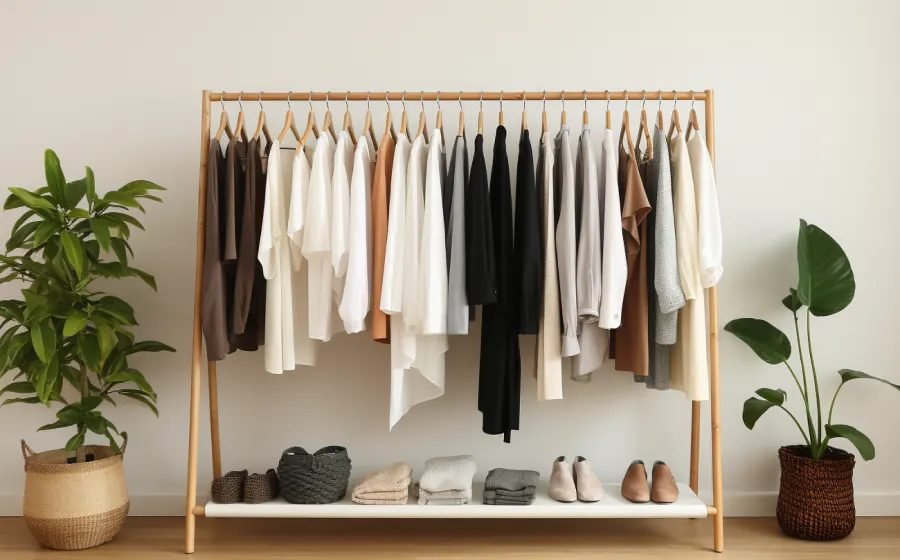
I used to buy $8 shirts without thinking. Learning what those prices actually cost — in quality and everything else — changed how I shop.
This is one of those topics where everyone has opinions and few have useful specifics. So here’s the specific version: concrete rules, real numbers, and the mistakes to skip. Practical style advice you can use tomorrow morning.
Fast fashion vs slow fashion: What the Evidence Shows
Let’s get specific about fast fashion vs slow fashion — what it means, why it matters, and the practical steps that make a difference. Everything below is actionable starting today.
Fast fashion = speed and disposability. Brands like Shein and Zara compress design-to-store into weeks, producing thousands of styles yearly at rock-bottom prices. The model depends on volume: clothes designed to be worn a few times and replaced. The average fast-fashion garment is worn 7 to 10 times before disposal. This is one of those fixes that feels too easy to matter — until it does.
Slow fashion = fewer, better pieces
Slow fashion means considered production: quality materials, fair labor, timeless design, repairability. It’s not a brand — it’s an approach. A $120 coat worn 200 times costs less per wear than a $30 coat worn 10 times, and it doesn’t end up in a landfill in a year. The people who do this consistently swear by it, and the logic holds up.
The quality gap is the real story
Fast fashion cuts costs in fabric weight, stitching, and finishing — which is why it pills, warps, and fades fast. Hold a fast-fashion shirt next to a quality one: the difference in fabric density and seam finishing is visible instantly. You feel it within three washes. Small change, real payoff — that’s the pattern with this one.
Related reading: our guide to how do I find my personal style in my 30s covers a closely connected topic worth understanding alongside this one.
The environmental math is stark
Fashion is among the world’s most polluting industries, and fast fashion’s disposability multiplies the damage — billions of garments landfilled yearly, synthetic fibers shedding microplastics with every wash. Wearing what you own longer is the single greenest fashion choice. File this under ‘boring but effective,’ the best category there is.
The human cost is documented
Ultra-low prices require ultra-low wages. Investigative reporting has repeatedly documented labor abuses in fast-fashion supply chains. ‘Who made my clothes’ isn’t abstract — someone did, under conditions the price makes inevitable. Worth trying for two weeks. You’ll know by then if it’s your fix.
The middle path most people take
Few people go full slow-fashion overnight. The practical approach: buy less, buy better for staples (coats, shoes, jeans), thrift for variety, and reserve fast fashion for genuinely short-term needs. Progress beats purity. It sounds simple because it is. The hard part is just doing it consistently.
Quick Takeaways
- Fast fashion = speed and disposability: Brands like Shein and Zara compress design-to-store into weeks, producing thousands of styles yearly at rock-bottom prices.
- Slow fashion = fewer, better pieces: Slow fashion means considered production: quality materials, fair labor, timeless design, repairability.
- The quality gap is the real story: Fast fashion cuts costs in fabric weight, stitching, and finishing — which is why it pills, warps, and fades fast.
- The environmental math is stark: Fashion is among the world’s most polluting industries, and fast fashion’s disposability multiplies the damage — billions of garments landfilled yearly, synthetic fibers shedding microplastics with every wash.
- The human cost is documented: Ultra-low prices require ultra-low wages.
- The middle path most people take: Few people go full slow-fashion overnight.
Care: Where Cheap Clothes Go to Die (or Live)
Maintenance is the great equalizer: well-cared-for budget clothes outlast neglected expensive ones. Wash cold, hang or fold knits, address stains immediately, and learn basic repairs — a needle and thread handle 80% of clothing emergencies. A $10 sweater shaver and a $15 steamer are the best investments in your closet.
Read the labels and actually follow them — they’re instructions, not suggestions. And rotate: clothes need rest days between wears to recover their shape. The hardest-wearing wardrobes belong to people who maintain, not people who spend.
A Common Mistake to Avoid
Assuming expensive equals slow fashion. Plenty of $200 items are fast-fashion quality with luxury markup — price alone doesn’t indicate ethics or durability. Check fabric composition, stitching, and brand transparency instead of trusting the price tag.
If you want to go deeper on a related topic, see our guide to how do I keep white sneakers clean every day — and for a different angle on everyday wellness, our guide to how can I dress up jeans for a nice dinner is worth your time.
Dressing for Your Real Life
The most common wardrobe mistake is dressing for an imaginary life — the galas you never attend, the hiking you never do. Audit your actual week: work, errands, social, rest. Your wardrobe should match those proportions. If 80% of your life is casual, 80% of your closet should be.
This doesn’t mean boring — it means a casual wardrobe executed brilliantly beats a formal wardrobe gathering dust. Dress the life you have, sharpened slightly. Aspiration is fine; delusion is expensive.
For authoritative background, see InStyle’s fashion guides, and also Who What Wear’s fashion trend coverage for a second perspective.
Frequently Asked Questions
Is thrifting slow fashion?
It’s even better — it extends existing garments’ lives with zero new production. Thrifting is the most sustainable way to shop, full stop.
Can you do slow fashion on a budget?
Yes — thrifting, buying fewer pieces, caring for what you own, and saving for quality staples. Slow fashion is about consumption patterns, not luxury prices.
Build the Habit, Not Just the Outfit
One great outfit is nice; a great system is better. Build the supporting habits: the Sunday 10-minute closet reset, the steamer by the door, the tailor’s number in your phone, the running shopping list in your notes. Style that depends on daily inspiration collapses; style built on systems runs itself.
Review quarterly: what did you actually wear, what gathered dust, what needs replacing? Fifteen minutes with your closet four times a year keeps your wardrobe aligned with your life as it changes. Wardrobes are living systems — maintain them like one.
The Bottom Line
Fast fashion trades quality, ethics, and environment for speed and price; slow fashion trades volume for longevity. The smart middle: fewer, better staples, thrifted variety, and wearing everything longer.



