
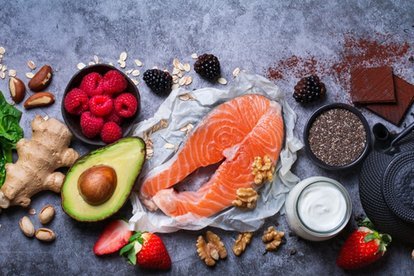
No food will cure an anxiety disorder — let’s be clear about that upfront. But what you eat genuinely affects how your nervous system handles stress. Blood sugar crashes, caffeine overload, and nutrient gaps can all amplify anxiety, which means the reverse is also true: steady, nourishing food is a real (if partial) lever for calm.
Here’s the thing nobody tells you upfront: the basics are simple, but the details are where people win or lose. Let’s get into both.
Foods help reduce anxiety naturally in the Real World
During a brutal stretch at work, my anxiety was through the roof and my diet was coffee, vending machine snacks, and 9 p.m. takeout. A therapist friend suggested one change before anything else: protein and real food at breakfast, and cutting the third coffee. It didn’t fix my workload, obviously. But the shaky, wired edge came off within days. I was amazed how much of my ‘anxiety’ had been blood sugar and caffeine wearing a trench coat.
The most powerful health intervention is often the least dramatic: small, sustainable changes repeated for months. Not the 30-day transformation — the boring Tuesday habit, done for a year. Research keeps confirming that consistency beats intensity for nearly every health outcome. Design for the person you’ll be on your worst week, not your best.
A gentle reminder: this article is educational, not medical advice. Bodies are complicated, and anything persistent, severe, or worrying deserves a real clinician’s eyes. The internet is great for understanding; it’s terrible for diagnosing. When in doubt, get checked — that’s what doctors are for.
For authoritative background on this topic, see the NIH on nutrition and mental health.
Common Mistakes to Avoid
If you only remember one section of this article, make it this one. Avoiding these mistakes puts you ahead of most people trying the same thing.
- Expecting diet to replace therapy or medication for real anxiety disorders
- Loading up on caffeine and sugar while wondering why you feel wired
- Skipping meals, which tanks blood sugar and mimics anxiety symptoms
Your Action Plan
Time for the practical part. These steps are ordered so each one makes the next easier.
- Eat protein at breakfast to stabilize blood sugar and morning mood.
- Favor omega-3 sources (salmon, walnuts), magnesium-rich foods (leafy greens, nuts), and fermented foods.
- Cut back caffeine — it’s the single biggest dietary anxiety amplifier.
- Don’t skip meals; regular eating keeps the physiological panic at bay.
Why This Matters More Than You Think
It’s easy to file foods help reduce anxiety naturally under ‘I’ll deal with it later.’ Health topics rarely feel urgent until they suddenly are — and by then, your options are narrower and more expensive. The whole game of staying healthy is acting on information while it’s still cheap to act on. Reading this article is the easy part; the valuable part is whatever small step you take because of it.
What the Research and Real Experience Say
Research on foods help reduce anxiety naturally consistently shows that individual variation is huge. What works brilliantly for one person does nothing for another, thanks to genetics, lifestyle, and circumstances. That’s why personal experimentation — guided by professional advice — matters more than finding the One True Answer online. Your body is the final study, with a sample size of one.
Your First 30 Days
Your first 30 days with foods help reduce anxiety naturally should be an experiment, not a revolution. Week one: observe — track the relevant basics without changing anything. Week two: make one small change. Weeks three and four: notice what happens and adjust. Changing one variable at a time is how you learn what actually works for your body, instead of guessing.
What Success Looks Like
Imagine foods help reduce anxiety naturally handled six months from now: whatever change you made is just part of your routine, like brushing your teeth. You don’t debate it, dread it, or celebrate it — you just do it. That automaticity is the real goal, more than any specific number. Habits that survive bad weeks are habits that change lives; everything else is a phase.
Quick Answers to Common Questions
Should I tell others what I’m doing?
It helps more than you’d think. Telling someone creates gentle accountability, and you might be surprised how many people share your goal. Just choose supporters, not critics — you need encouragement, not commentary.
What if I fall off track?
You will — everyone does. The plan isn’t to never slip; it’s to resume quickly. One bad week means nothing if the next week is back on track. The people who succeed aren’t the ones who never fall; they’re the ones who get up fast.
How do I handle conflicting advice?
When experts disagree, favor the boring consensus over the exciting outlier, and favor advice from people with no financial stake in your decision. Then test things yourself — your experience is the final authority.
The best time to start was a year ago; the second-best time is this week. Not someday, not when things calm down — this week, in whatever small way you can.
Remember, nobody gets this perfect on the first try, and that’s fine. The goal was never perfection; it was progress. Start where you are, use what you have, and adjust as you learn. That’s the whole strategy, and it works.
Keep learning: How to Tell If You Have a Vitamin D Deficiency, Best Business Credit Cards for Beginners in 2026, and 12 Mistakes New Restaurant Owners Make (And How to Avoid Them).
The Bottom Line
Food won’t replace professional help for anxiety, but it removes the physiological static that makes everything worse. Eat steadily, ease off caffeine, and give your nervous system a fair chance. For further reading, the USDA MyPlate is a solid next stop.
If you’re feeling overwhelmed, shrink the task. Do the smallest useful version this week and let momentum do the rest. A tiny start you repeat beats an ambitious plan you abandon.
It’s also worth talking to someone who’s done this before you. Ten minutes with an experienced person can save you ten hours of trial and error. People are surprisingly generous with advice when you ask specific questions.



